
Some toothpaste and mouthwash have been found to be bad for your health if you’re a woman. There is a common ingredient in them called triclosan that has been linked to osteoporosis. This ingredient is added by the manufacturers because it helps prevent gingivitis.
It is also commonly found in some antibacterial gel, or any other antibacterial products, like soap and body wash, or even cosmetics. With these types of items, it is added to reduce or prevent bacterial contamination. Women exposed to the chemical through any of these products are at higher risk of developing osteoporosis.
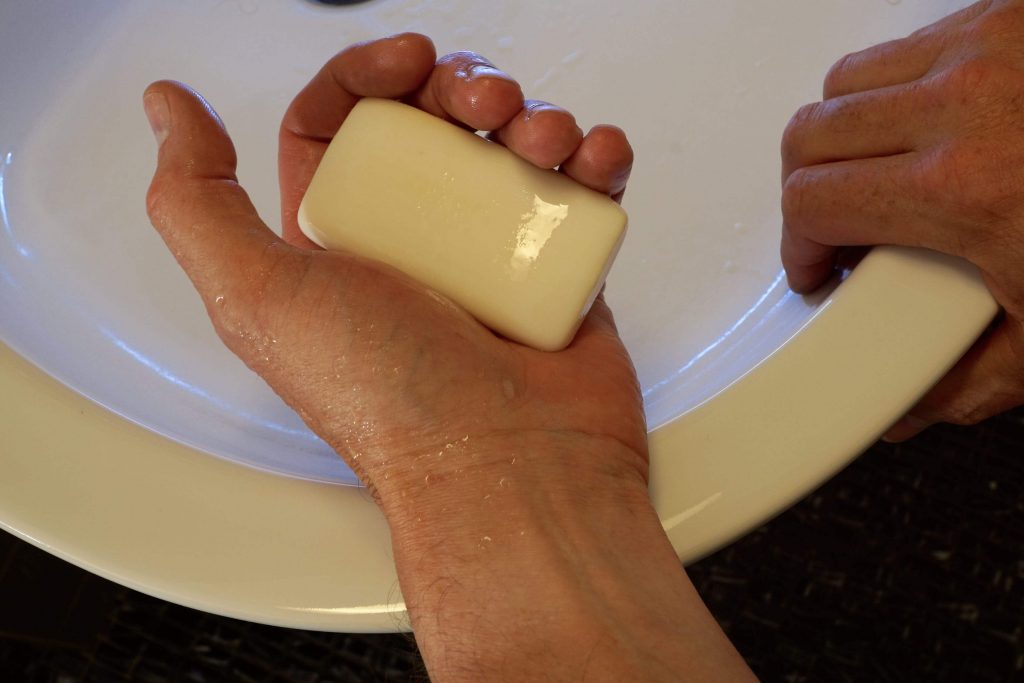 Triclosan is such a frequently used chemical that it can even be found in clothing, kitchenware, furniture, and toys. Yet, the possibility of it being a hazard to our health is nothing new. Previous research shows that there is a link between women with higher levels of triclosan and other health issues, such as bowel cancer and antibiotic resistance.
In America, the Food and Drug Administration (FDA) has banned triclosan from antiseptic and antibacterial hand rubs and hand washes. However, in other parts of the world (like the UK) no such ban exists. Fortunately, in such places, the manufacturers are taking it upon themselves to remove the ingredient from their products without the enforcement of a ban. Unilever, for example, has phased out triclosan from its entire range of products. The company did so in response to consumer demand, although it says it is confident the chemical is safe and poses no threat whatsoever.
A new study, published in the Journal of Clinical Endocrinology and Metabolism, begs to differ. It analyzed data from 1,848 women and found that those with higher levels of triclosan in their urine were more likely to have bone issues.
The author of the study, Yingjun Li, from Hangzhou Medical College School of Public Health in China, said, “Laboratory studies have demonstrated that triclosan may have potential to adversely affect the bone mineral density in cell lines or in animals. However, little is known about the relationship between triclosan and human bone health. As far as we know, this is the first epidemiological study to investigate the association between triclosan exposure with bone mineral density and osteoporosis in a nationally representative sample from US adult women.”


