
The risk of cancer returning depends on several factors, including how progressed it is and the cancer type. However, the fear of the disease reappearing is grave and long-lasting for survivors. Thankfully, scientists in Japan have developed a new hydrogel, called a Double Network (DN) gel, that reverts different cancer cell types to cancer stem cells.
One of the main issues with cancer stem cells is that they are resistant to treatments like radiotherapy and chemotherapy and can stealthily survive in the body, leading to recurrence. Researchers at the National Cancer Center Research Institute and Hokkaido University developed a new tool to study the way cancerous cells function and how they can hide in body tissue and reappear.
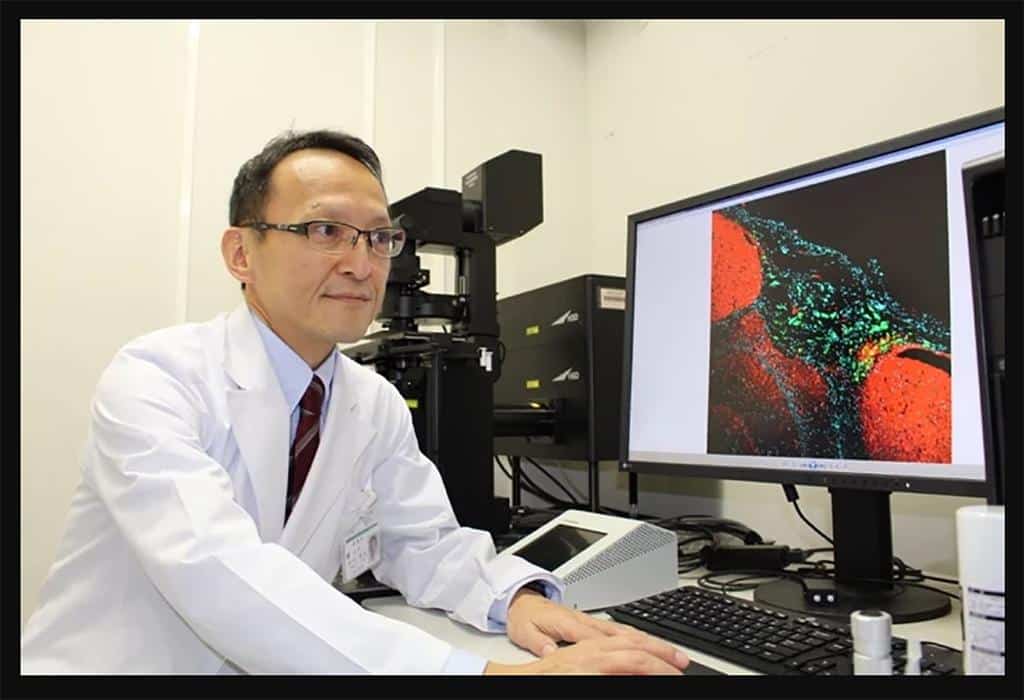
Professor Shinya Tanaka of Hokkaido University explained:
“Cancer stem cells are a major target for anti-cancer drugs, but they are difficult to identify because they are present in very small numbers in cancer tissues. Understanding the molecular mechanisms of cancer stem cells is crucial for developing better cancer treatments.”
The DN gel comprises a network of two chemicals and a lot of water, giving it wet and gooey biological tissue characteristics. The team added lung, brain, uterine, bladder, and colon cancer cells, and sarcoma cells in the gel – all responded to the setting by forming sphere-shaped structures and creating molecules known to be cancer stem cells’ hallmarks within one day. The video below shows the cells in action, forming spherical structures within the gel.
As the team observed this process, they learned a few things about the mechanisms involved in cancer cell reprogramming. The brain cancer cells responded by producing platelet-derived growth factor receptors, while a protein called osteopontin and calcium channel receptors were crucial to the process. The findings provided the scientists with a target, allowing them to deliver a molecular inhibitor of the receptors and effectively eliminate the cancer stem cells.
This DN gel could eventually be used to further expose the secrets behind the way cancer cells are reprogrammed and how they function, which could lead to more effective cancer drugs. “In the future, the DN gel could be used to enhance cancer cell type diagnosis and to produce personalized medicines, which could improve the prognosis of cancer patients,” added Tanaka.
The Japanese scientists published their research on March 29, 2021, in the journal Nature Biomedical Engineering.


