
The eye-catching Hyperion XP-1 hypercar is the world’s first hydrogen-powered supercar. Hyperion Motors, the makers of this futuristic intergalactic-looking vehicle, created it to show off the potential of H2 fuel and to promote a hydrogen energy infrastructure. It has been working on the car for almost ten years.

Angelo Kafantaris, a founding member and CEO of Hyperion, said:
People just expect the future to be better. But it won’t be unless you do something about it now.
The XP-1 was partially designed to function as an educational tool for the masses. Aerospace engineers have long understood the advantages of hydrogen as the most abundant, lightest element in the universe, and now, with this vehicle, consumers will experience its extraordinary value proposition. There are enough car companies. We’re an energy company that’s building this car to tell a story.

And with astonishing performance numbers like a 221-mph top speed and 2.2-second zero-to-60-mph time, who wouldn’t be impressed by hydrogen’s potential! Plus, there are the 1,016 miles (1,635 kilometers) range it provides too, which is fantastic.
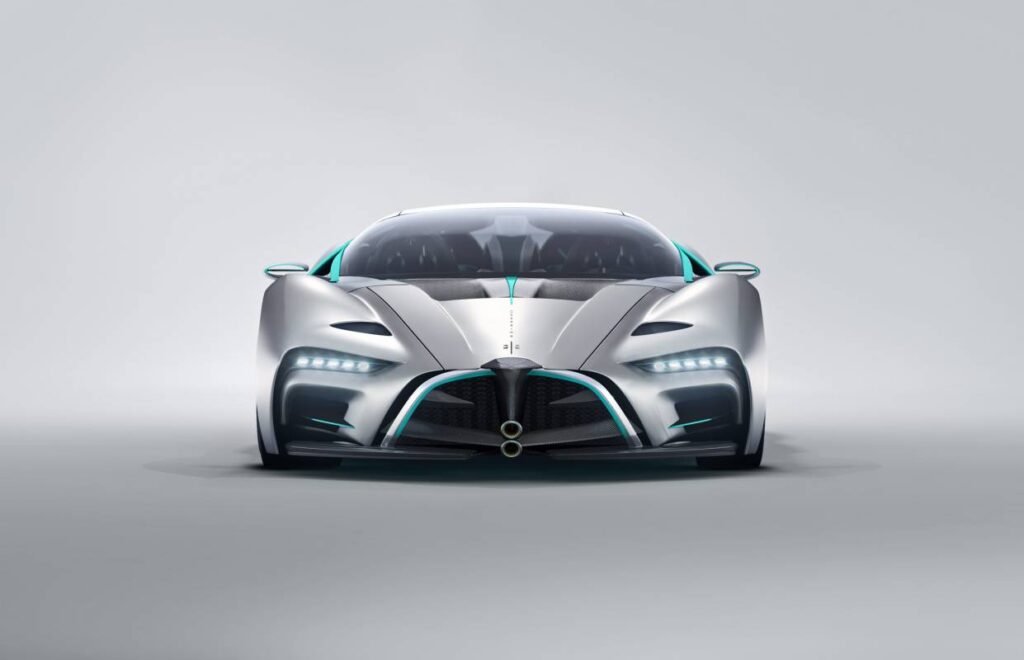
The Hyperion XP-1 weighs only 2,275 pounds (1,248 kg) since heavy batteries don’t bog it down. The H2 is stored in lightweight carbon-fiber tanks that only take a few minutes to fill at a hydrogen fuel station. Fuel cells are in charge of powering its robust electric motors.
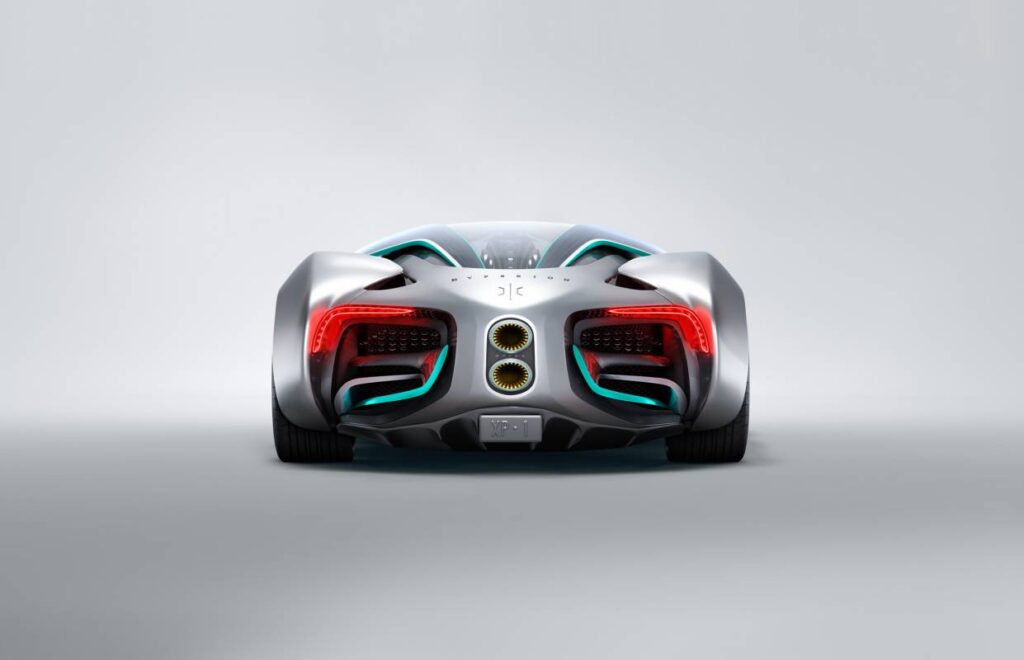
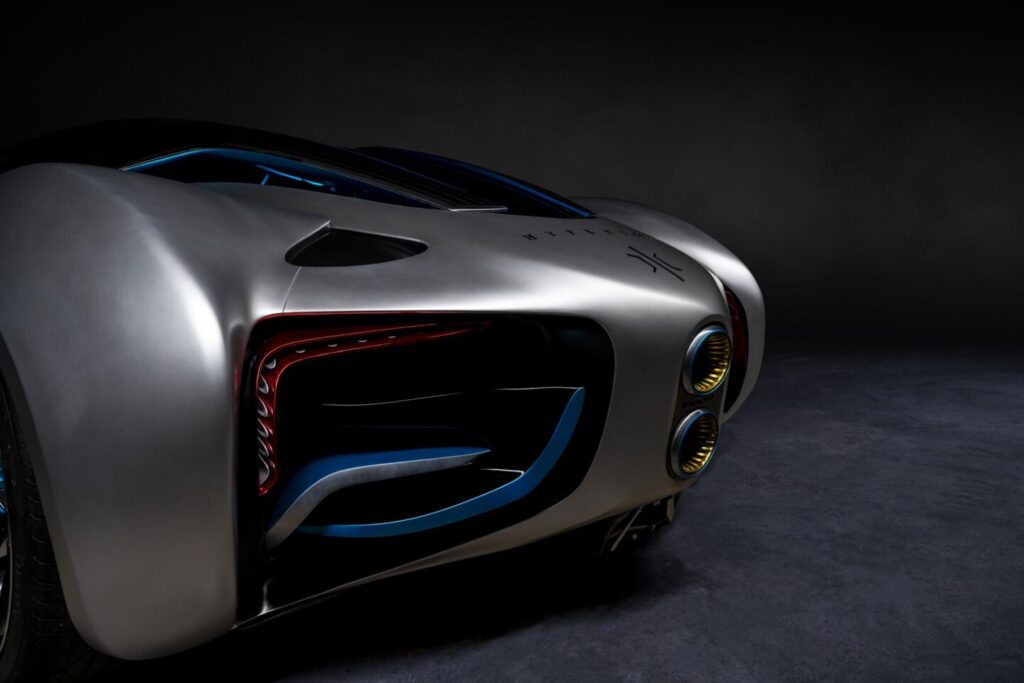
The monocoque frame is made of titanium carbon, and attached to it are titanium-infused body panels. The sweeping buttresses on the C-section behind the doors are solar panels that adjust to follow the sunlight, and it also acts as an active aero kit to deliver better handling with more downforce.
The Hyperion XP-1’s interior is as high-tech as the exterior with a 98-inch curved screen flanking the dashboard and touch-free gesture controls to control in-cabin features. To top it off, the wrap-around glass canopy gives the space a lovely airy feel.

Hyperion Motors is also working on a plan for a network of refill stations for hydrogen cars. The buildout will be similar to the Tesla Supercharger network for EVs.
Kafantaris said:
This is only the beginning of what can be achieved with hydrogen as an energy storage medium. The potential of this fuel is limitless and will revolutionize the energy sector. You can make hydrogen from excess grid solar power. Creating hydrogen is greener than making batteries. The key criterion is to deliver this clean, powerful energy source cost-effectively so that the rest of the world could enjoy it.
We decided we wanted to help this industry grow so that the rest of us enjoy the same benefits, which of course would be really long range, really fast refuel time, a longer life cycle that doesn’t degrade with every charge (or refuel in this case) … the nature of recyclability, which is not cost-prohibitive as compared to batteries, and lastly, durability since hydrogen vehicles are not susceptible to low performance in high heat or frigid temperatures. All these things make hydrogen an outstanding value proposition for the consumer when applied to cars.
The company says only 300 units of the XP-1 will be built beginning in late 2022.


