
Running a successful operation requires every piece of hardware to perform at its peak. Many business owners overlook the daily wear and tear on their machinery until a catastrophic breakdown happens. This reactive approach creates unnecessary stress and financial strain.
Following a guide on how to keep your industrial equipment in good condition preserves your investment and keeps daily workflows running smoothly. Shifting your focus toward proactive care can save significant capital over time. Smart management transforms your gear from a depreciating liability into a reliable asset.
The True Cost of Neglecting Your Machinery
Failing to service assets regularly leads to steep financial penalties – a major issue for growing companies. An industry study showed that maintenance accounts for 20-50% of the total operating budget on average. When systems fail unexpectedly, these percentages climb even higher.
Emergency repairs demand immediate capital and often require expedited shipping for replacement parts. Technicians charging premium emergency rates can drain your cash reserves rapidly. Regular inspections prevent these sudden spikes in operational expenses.
Unexpected downtime drops your quarterly profit margins and harms client relationships. Missing a production deadline can ruin partnerships that took years to build. Protecting your revenue means keeping your core devices operational day and night.
- High emergency repair fees
- Expedited parts shipping costs
- Loss of daily productivity
- Extended technician overtime hours
Maximizing Operational Lifespan and Asset Value
Every machine has a designated lifespan determined by its design and usage patterns. Neglecting basic tasks like lubrication and calibration cuts this lifespan short. Investing in small checks today keeps heavy machinery functioning for years longer.
Replacing major industrial assets demands massive capital injections. Keeping existing hardware in prime condition delays these heavy expenditures. Your balance sheet remains stronger when equipment retains its value for longer periods. Clean machinery runs with less friction and less structural stress.
Regular care protects the resale value of your corporate fleet. Buyers pay top dollar for documented service records when you upgrade your fleet. Proper stewardship yields dividends at both the beginning and end of an asset lifecycle.
The Role of Fleet Care in Logistics
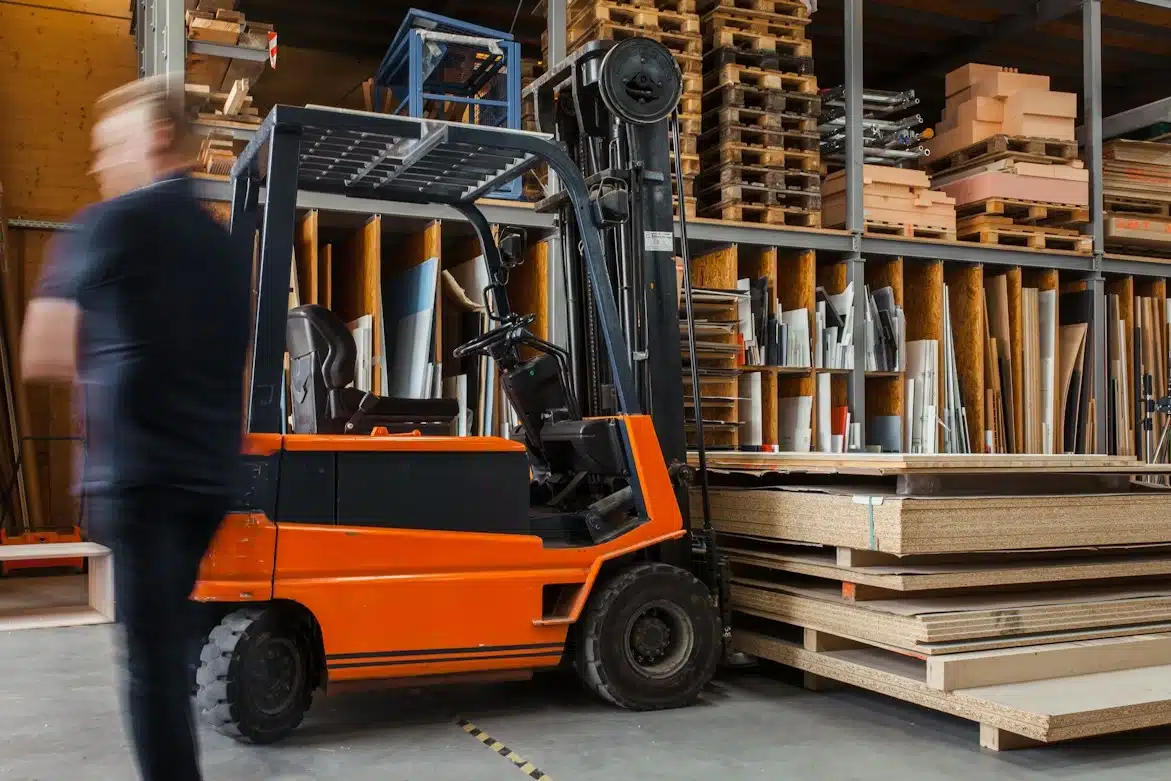
Logistics operations rely heavily on specialized moving equipment to manage heavy inventory. Smart managers prioritize forklift maintenance for warehouse efficiency to keep shipments moving on time. Routine inspections prevent unexpected breakdowns on the loading dock.
When a single unit goes down, the entire shipping schedule faces delays. Well-maintained fleets move products safely without stopping the flow of goods. Warehouse managers who track these patterns notice fewer disruptions during peak operating hours.
Fewer breakdowns mean your distribution networks remain steady and reliable. Timely shipments keep retail shelves stocked and customer satisfaction scores high. Consistency in your loading zone reinforces your market reputation.
Smart Technology and Predictive Care
Modern businesses use advanced sensors to monitor asset health in real time. These digital tools track temperature spikes and unusual vibrations before a failure occurs. Predictive systems alert your team to small issues long before they become disasters.
Adopting smart diagnostic software aligns perfectly with modern intelligent living concepts. Data analytics eliminates the guesswork from your weekly servicing schedules. Technicians can fix specific parts exactly when needed rather than guessing based on timeline estimates.
Connected devices deliver continuous feedback directly to maintenance dashboards. Supervisors view live performance metrics on tablets or desktop computers. This technological integration transforms basic facilities into smart industrial environments.
Safety Standards and Reducing Workplace Hazards
Faulty machinery poses a severe threat to everyone on the warehouse floor. Worn cables or failing brakes can cause catastrophic accidents in seconds. Keeping gear in top shape creates a secure space for your workforce.
The financial scale of this equipment sector highlights its broad impact. Market analytics found that the global forklift market reached USD 81.8 billion in 2024. This huge volume shows how heavily modern commerce relies on these machines. Keeping them safe protects your workers and your bottom line.
Fewer workplace accidents mean lower insurance premiums for your enterprise. Safe environments keep your experienced staff members on the job instead of on medical leave. Peace of mind boosts focus and speed across every shift.
Optimizing Supply Chain Flow
Distribution centers must maintain a continuous flow of goods to stay profitable. A publication on industrial facilities mentioned that 85% of distribution hubs depend on forklifts. The same report noted labor costs take up 50-70% of warehousing budgets.
- Idle workers waiting for repairs
- Delayed delivery truck schedules
- Backlogged receiving docks
- Unhappy retail partners
When equipment breaks down, hourly staff members sit idle as wages accrue. This sudden drop in output multiplies your overall costs instantly. Consistent servicing safeguards your supply chain against these sudden stoppages.
Quick turnarounds at the shipping bay depend on fully functional loading tools. Truck drivers avoid hubs notorious for slow loading times and broken apparatus. Maintaining your machines secures your status as a preferred logistics node.
Eco-Friendly Benefits of Well-Maintained Machines
Poorly serviced engines burn more fuel and emit higher amounts of pollution. Systems with clogged filters draw excessive electrical power from the local grid. Regular cleaning and tuning keep energy consumption at minimal levels.
Green operations attract modern clients who value corporate responsibility. Lowering power usage directly drops your monthly utility expenditures. Sustainable business practices start with the machines running on your shop floor.
Carbon footprints diminish when machinery runs at optimized specifications. Eliminating fluid leaks prevents chemical contamination of nearby soils and water sources. Eco-conscious leadership yields both environmental benefits and financial rewards.
Maximizing Daily Employee Productivity
Workers feel more confident when using tools they trust completely. Knowing a machine will function perfectly allows staff to focus on their core tasks. Broken equipment causes frustration and lowers overall workplace morale.
Smooth operations let your team meet daily targets without unnecessary stress. Clean, functional tools mean faster training times for new hires. Investing in regular upkeep builds a culture of respect and operational excellence.
High morale directly influences employee retention metrics over multiple quarters. Experienced crew members stay with companies that supply top-tier operational tools. Your business thrives when your workforce operates with dependable machinery.
Prioritizing steady machinery care yields massive rewards for forward-thinking enterprises. You protect your workforce, reduce overhead, and extend asset longevity simultaneously.
Smart adjustments to your daily operational habits keep your firm competitive. Avoiding the trap of reactive repairs safeguards your hard-earned revenue. Dedicate time to inspection schedules today to secure a more efficient business tomorrow.


