
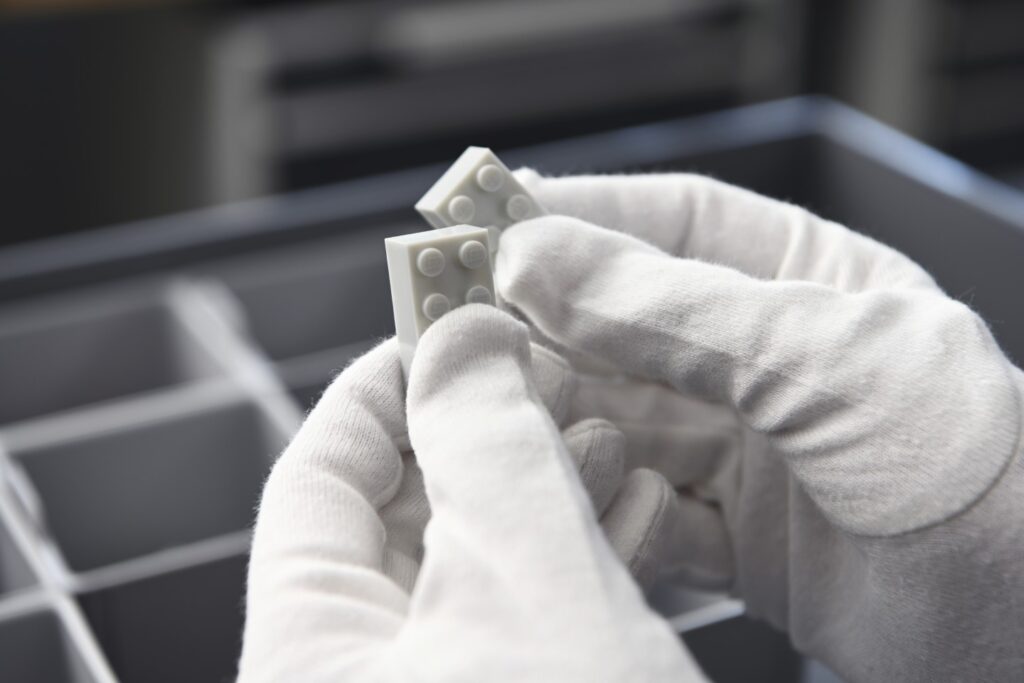
On June 23, Danish toymaker Lego unveiled the prototype Lego brick crafted from recycled plastic sourced from discarded bottles. The prototype is the first brick made from a recycled material to meet the company’s quality and safety requirements.
The Lego Group began increasing its sustainability efforts back in 2015. This included shifting away from single-use plastic packaging, investing in renewable energy, and making alternative, eco-friendly materials for its plastic toys.
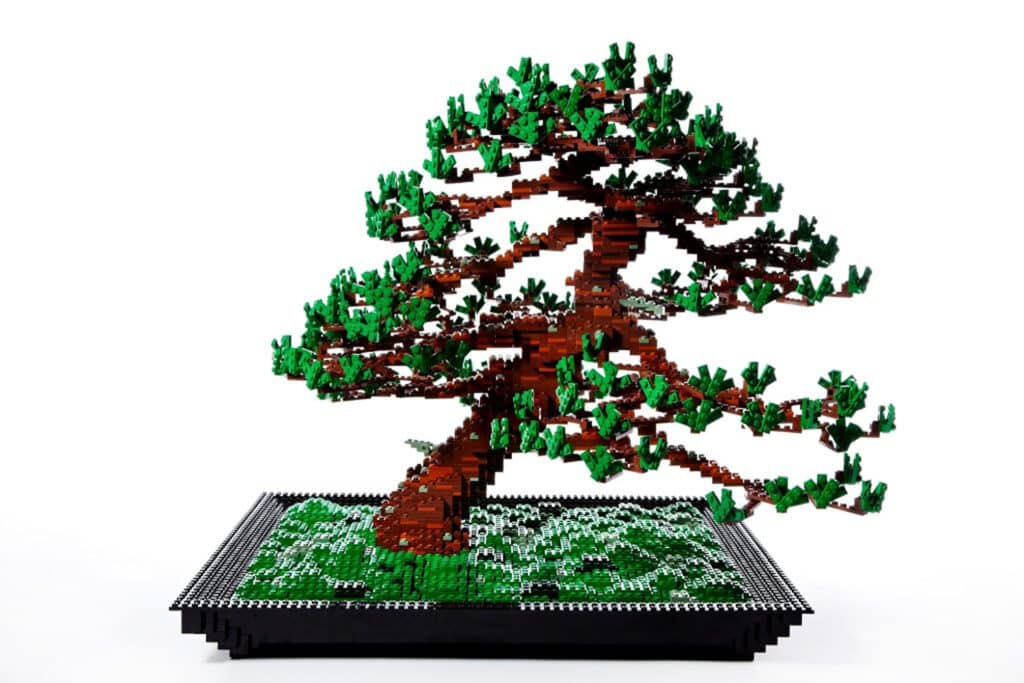
In 2019, the company introduced a new treehouse kit produced with a bio-plastic made from sustainably sourced sugarcane. This material featured for the first time in a motorized wind turbine toy set later that same year.
However, the company has had to develop something more rigid and robust for its load-bearing brick elements. This led to the Lego team using PET plastics from discarded bottles. After testing over 250 variations of the material, the company’s researchers have conjured a bespoke compounding technology that turns the plastic waste into Lego bricks.
Tim Brooks, who is Vice President of Environmental Responsibility at the Lego Group, said:
We are super excited about this breakthrough. The biggest challenge on our sustainability journey is rethinking and innovating new materials that are as durable, strong, and high quality as our existing bricks – and fit with Lego elements made over the past 60 years. With this prototype, we’re able to showcase the progress we’re making.
According to the Lego Group, the new process allows them to convert the raw materials from a single one-liter PET bottle into ten durable 2×4 Lego bricks. However, the toymaker still needs to put the bricks through further testing before jumping into the production phase, so it will be some time before they make it into kids’ hands. Production isn’t expected to begin until at least another year.

Brooks explained:
We know kids care about the environment and want us to make our products more sustainable. Even though it will be a while before they will be able to play with bricks made from recycled plastic, we want to let kids know we’re working on it and bring them along on the journey with us. Experimentation and failing is an important part of learning and innovation. Just as kids build, unbuild and rebuild with Lego bricks at home, we’re doing the same in our lab.

Last year, LEGO partnered with the World Wildlife Fund to help promote global action on climate change. The company has made investments in wind power to offset its carbon emissions, reducing its CO2 emissions for the manufacturing and supply of LEGO bricks. LEGO reached 100% renewable energy in 2019, 3 years ahead of schedule.
It appears LEGO is on the right track towards its goal of 100% sustainable products by 2030 and packaging by 2025.


