
A male passenger from Yunnan province, China, died of a completely different sickness than COVID-19 while riding a bus headed to work in Shandong province. The strand he contracted – called hantavirus – is much more deadly than COVID-19. It often produces very similar symptoms; therefore, it can be mistaken.
The state-run media channel Global Times wrote in a tweet:
He was tested positive for #hantavirus. The other 32 people on the bus were tested.
Just as China started lifting strict quarantine restrictions from COVID-19, this story sparked new panic among many on social media. However, experts want people to understand that this is not a new virus! It has been around for decades and rarely affects humans.
Swedish scientist Dr. Sumaiya Shaikh wrote in a tweet:
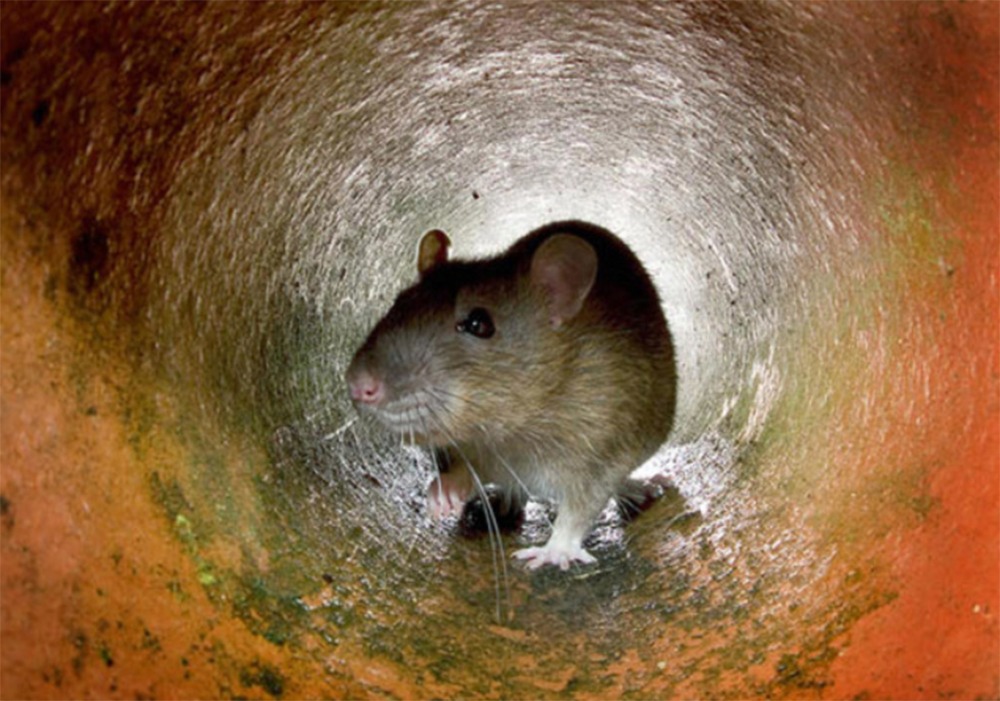
The #Hantavirus first emerged in the 1950s in the American-Korean war in Korea (Hantan river). It spreads from rats/mice if humans ingest their body fluids. Human-human transmission is rare. Please do not panic, unless you plan to eat rats.
The CDC (US Centers for Disease Control and Prevention) also said hantavirus is rare. Although it is far more deadly with a death rate of 38%. The CDC said:
Symptoms may occur up to eight weeks after exposure to fresh urine, droppings, or saliva of infected rodents. It can occasionally also come from bites from infected rats or mice.
The symptoms of hantavirus include headaches, fevers, coughing, and shortness of breath. The CDC shared a patient description of what it felt like to be sick from it:
[It felt like there was] a tight band around my chest and a pillow over my face.
That description mirrors some by COVID-19 patients: for example, Rep. Ben McAdams recently said he felt like he had a belt around his chest.
Hantavirus isn’t known to be transmitted human-to-human. The CDC said:
In Chile and Argentina, rare cases of person-to-person transmission have occurred in the case of one strand named Andes virus.
The CDC warns:
There is no specific treatment, cure, or vaccine for hantavirus infection. Patients often need intensive care to help them through the period of severe respiratory distress. Therefore, if you have been around rodents and have symptoms of fever, deep muscle aches, and severe shortness of breath, see your doctor immediately.
So long as you practice good hygiene – to make sure you haven’t touched rat urine by accident and then touched your face, for example – and refrain from eating rats, you shouldn’t have to worry about getting infected by hantavirus.
The following video is a survival story of hantavirus:


