
While manufacturers work in controlled environments, safety challenges still arise, from machine-related injuries to chemical exposures. Ignoring safety can result in downtime, financial losses, and compliance violations that slow down productivity.
The construction industry has had to develop some of the most advanced safety strategies due to its high-risk nature. Manufacturing workplaces share many of the same hazards, fall risks, heavy machinery, and exposure to dangerous materials, which means there’s a lot to learn from construction safety protocols. Manufacturers that adopt proven strategies from construction can create safer workplaces, prevent costly accidents, and improve overall efficiency.

Emphasizing Proactive Risk Assessments
Construction professionals constantly evaluate job sites for risks before starting work. This proactive approach helps spot issues early, reducing the chance of accidents that could delay projects or harm workers. The same mindset benefits manufacturing: regular safety assessments catch potential dangers before they result in injuries, production halts, or costly repairs.
Instead of waiting for an accident to expose a safety weakness, manufacturers should implement scheduled risk assessments. These assessments should include checking equipment, ensuring emergency exits are accessible, and verifying that workers follow safety protocols. Identifying and fixing hazards before they cause an issue keeps employees safe and prevents downtime that slows production.
Applying Expert Safety Consultation for Risk Prevention
Construction sites deal with constantly changing environments, which means risks must be assessed and adjusted frequently. While manufacturing facilities may seem more stable, hidden hazards can still cause serious injuries. Without expert oversight, unsafe machine operation, improper chemical handling, and overlooked maintenance issues can result in workplace accidents. Manufacturers that take a reactive approach, only minimizing problems after an incident, often face higher costs, operational delays, and legal risks.
Opting for construction health and safety consulting services helps manufacturers take a proactive approach. Consultants conduct workplace assessments, identify safety gaps, and create custom safety protocols that meet industry regulations. Their expertise helps businesses reduce accidents, lower liability risks, and train employees on best practices to keep work environments safer. Expert guidance helps prevent small hazards from turning into costly disruptions.
Prioritizing Fall Protection Measures in Manufacturing
Falling from heights is a major concern in construction, leading to strict fall prevention rules like safety harnesses, guardrails, and proper scaffolding use. Manufacturing facilities also have elevated workspaces, catwalks, and areas where employees work near ledges. Even short falls can result in serious injuries, making fall prevention essential for worker safety.
Manufacturers can reduce risks by adopting construction-based fall protection strategies. Manufacturers can prevent falls by installing guardrails, using proper step stools instead of makeshift solutions, and providing harnesses where necessary. Employees should also receive ongoing fall protection training so they know how to navigate elevated workspaces safely. Implementing such measures keeps employees safe and prevents injuries that could cause production delays.
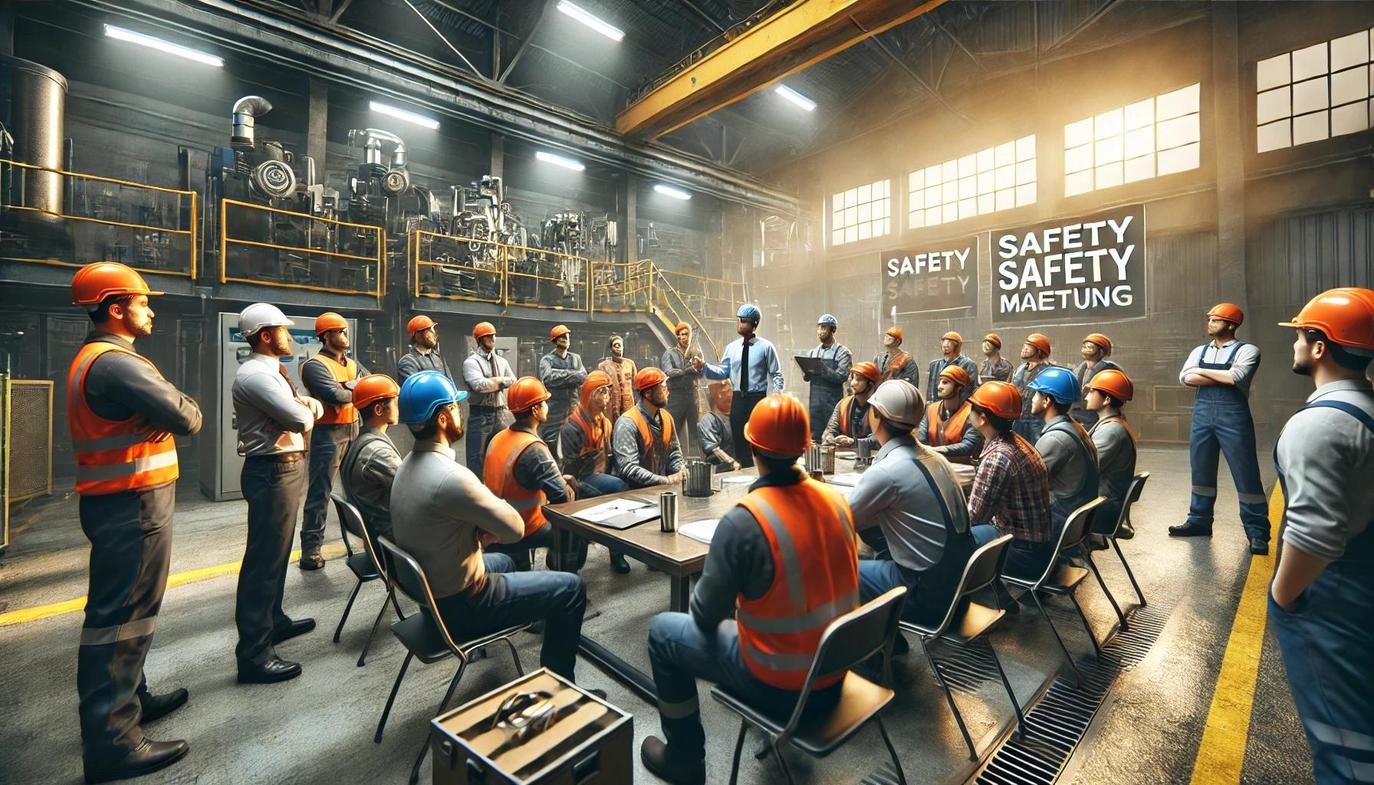
Developing a Stronger Safety Culture with Employee Involvement
The construction industry relies heavily on employee participation in safety programs. Workers regularly attend toolbox talks, report hazards, and take responsibility for keeping job sites safe. A strong safety culture means that everyone, not just management, prioritizes safety.
Manufacturing businesses benefit from creating the same level of engagement in workplace safety. Encouraging employees to report potential risks, participate in regular safety discussions, and follow established protocols improves workplace conditions. When employees take responsibility for their own safety and that of their colleagues, they automatically comply. A shift in workplace safety culture means fewer accidents, improved morale, and better overall efficiency.
Personal Protective Equipment (PPE) Compliance
Construction workers wear helmets, gloves, and high-visibility gear to protect themselves from injury. While PPE is also required in manufacturing, enforcement isn’t always consistent. Employees may skip wearing safety goggles or gloves if they feel it slows them down, increasing the risk of avoidable injuries.
Manufacturers should follow construction’s lead by making PPE a strict requirement rather than an option. Safety equipment should be readily available, properly maintained, and fit correctly to provide maximum protection. Regular PPE inspections, along with training on the importance of proper gear, help build a culture where safety is both encouraged and expected.
Improving Emergency Preparedness for Crisis Situations
Emergencies happen fast, and without a plan in place, they can quickly spiral into chaos. Construction sites must have detailed emergency response plans due to the high-risk nature of their work. From fires to structural collapses, workers are trained to respond quickly and effectively to minimize harm and disruption. Manufacturing environments also face risks like fires, chemical spills, and mechanical failures, making emergency preparedness just as critical.
Manufacturers should take the construction approach by conducting regular emergency drills, clearly marking exit routes, and providing employees with training on how to respond to different crises. Well-prepared teams act faster and more efficiently when emergencies arise, preventing injuries and reducing downtime. A workplace with clear emergency protocols can recover quickly from unexpected events without significant business disruptions.

Strengthening Machine and Equipment Safety Protocols
Heavy machinery poses risks in both construction and manufacturing. Construction workers follow strict lockout/tagout procedures to prevent machines from being used during maintenance, reducing the risk of unexpected startups that could cause serious injuries. Proper training and regular inspections keep workers safe and machines running smoothly.
Manufacturers should apply these same safety-first principles by ensuring that all equipment undergoes routine maintenance, employee training, and lockout/tagout compliance. Machinery breakdowns put workers at risk while also causing expensive downtime. Teaching employees how to safely operate, inspect, and shut down equipment helps reduce workplace injuries and keeps production lines moving.
Addressing Fatigue and Mental Focus on Workplace Safety
Tired workers make mistakes, and in industries where machinery and high-risk tasks are involved, those mistakes can be dangerous. Construction workers often work long hours in physically demanding environments, so companies emphasize fatigue management to reduce accidents. Short breaks, shift rotations, and wellness programs help keep workers alert.
Manufacturers can apply similar strategies by monitoring shift lengths, encouraging short rest breaks, and promoting workplace wellness initiatives. Mental and physical fatigue leads to slower reaction times, poor decision-making, and increased injury risks. Keeping workers well-rested and mentally sharp improves safety and overall productivity.
Implementing Better Safety Training and Continuous Learning
Safety isn’t a one-time lesson but an ongoing process. Construction companies regularly update their training programs to reflect new regulations, technologies, and industry best practices. Workers receive refresher courses on fall protection, machine safety, and emergency response to keep their knowledge current.
Manufacturers benefit from adopting the same approach by offering routine safety training, updating protocols, and encouraging continuous learning. Employees should know the safest way to complete tasks and be encouraged to report new safety concerns. A well-trained workforce is more confident, competent, and prepared to tackle workplace hazards.

Taking a Proactive Approach to Workplace Safety
Construction companies don’t wait for accidents to happen before improving safety; they take preventive action to minimize risks. Manufacturing businesses can adopt this forward-thinking mindset by performing regular audits, encouraging employee involvement, and constantly improving workplace safety measures.
Manufacturers should view safety as an investment in long-term business success, rather than treating it as a checklist item. Preventing accidents helps protect workers and also saves time, reduces costs, and keeps operations running without interruptions. A safer workplace means happier employees, fewer disruptions, and a stronger company overall.
Best Practices for Enhancing Manufacturing Safety
Manufacturers have a lot to gain from adopting construction-style safety strategies. Whether it’s investing in expert consulting, improving emergency preparedness, enforcing PPE use, or offering better training, learning from the construction industry helps create a safer, more efficient workplace. When safety is prioritized, businesses experience fewer accidents, less downtime, and higher productivity.

