
Modern manufacturing landscapes are shifting rapidly as industrial leaders move away from reactive legacy models. Adopting real-time manufacturing technology ensures that facilities can maintain a high-resolution view of every moving part, sensor, and circuit across the production floor. Prioritizing instant data over delayed reporting ensures organizations can bridge the gap between planning and execution, creating a more agile and resilient operational framework.
Industrial leadership now pivots away from reactive end-of-day post-mortems toward proactive adjustments. This shift ensures every shift contributes to long-term competitive advantages.

Real-Time Visibility Reduces Hidden Costs
One of the most immediate benefits of real-time systems is better cost visibility. Legacy manufacturing models often suffer from delayed periodic updates that hide errors until a shift concludes. In contrast, real-time tracking enables operators to identify inefficiencies as they emerge.
Operational awareness relies on identifying specific failures before they compound into systemic losses. Frontline teams leverage data dashboards that highlight process deviations as they happen to ensure maximum uptime.
Real-time monitoring identifies several critical inefficiencies:
- Excessive machine idle time
- Unplanned material overuse
- Systemic bottlenecks in sequencing
- Sudden fluctuations in power consumption
Real-time tracking allows personnel to correct course before losses accumulate. This proactive stance ensures that minor glitches do not evolve into expensive production shutdowns.
Optimizing Factory Infrastructure Through Digital Planning
In some cases, cost savings are found in infrastructure design itself. Engineers are increasingly using digital calculators for wire and gauge optimization to plan efficient layouts for power and signal delivery across the factory floor. Infrastructure software supports better planning, reduces overheating risks, and helps scale up production without excessive rework.
Accelerating Production Cycles Using Automated Feedback Loops
Efficiency on the shop floor extends beyond simple mechanical velocity. Rapid output depends on a chain of responsive actions that must occur in sequence to maintain momentum.
Key dependencies for production speed include:
- Immediate detection of technical errors
- Automated decision-making frameworks
- Rapid implementation of line adjustments
- Seamless communication between hardware and software
Real-time feedback effectively closes the loop between sensing and action. This integration allows the facility to maintain a constant state of high-velocity throughput.
Reducing Machine Downtime With Automated Path Adjustments
For example, when a robotic arm starts to show small deviations in torque or speed, real-time monitoring can automatically adjust its path or trigger a maintenance check. Automated interventions reduce downtime significantly. Automated sensor adjustments keep the production line moving without human interference.
Operators now also benefit from real-time alerts and recommendations embedded into their workstations. Embedded workstation aids help accelerate decision-making on the shop floor without waiting for managerial input. Some organizations also implement load distribution monitoring using real-time electrical box fill tools that help teams allocate power safely across machines, minimizing tripping events that can disrupt workflows.
Upstream Quality Assurance Via Real-Time Error Detection
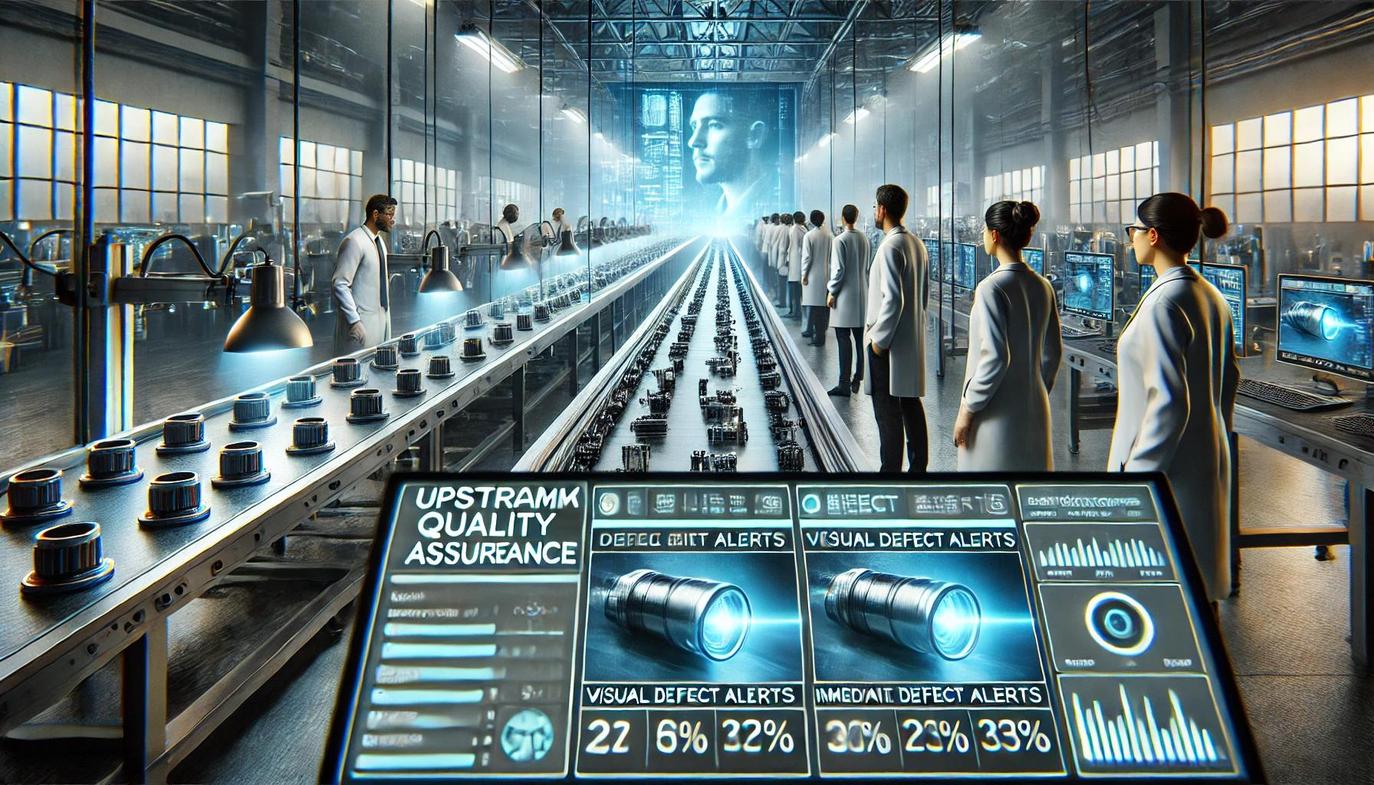
Quality issues, when caught late, are expensive. They not only require rework or scrap, but they can also damage customer trust. Real-time systems play a crucial role in moving quality control upstream.
Embedding sensors and cameras at various checkpoints allows manufacturers to detect defects as they occur. Localized detection enables immediate corrective action and helps isolate root causes faster. When errors are discovered early in the production process, the cost of correction is dramatically reduced.
Leveraging AI-Driven Pattern Recognition for Precision Inspections
In high-precision environments, systems are paired with AI-driven pattern recognition that identifies anomalies invisible to the human eye. To support visual quality inspections, some manufacturers integrate live image capture systems using high-resolution background processing platforms, allowing for precise visual comparisons in real time.
Synchronizing Machine Diagnostics with Intelligent Production Scheduling
A major contributor to production inefficiency is the disconnect between machine performance and production planning.
Delays often stem from a lack of transparency between departments. When maintenance teams remain unaware of wear indicators, or when procurement lacks visibility into real-time material usage, the result is excess inventory. These silos prevent the facility from reacting to changing floor conditions.
Automating Production Calendars Using Real-Time Equipment Status
Linking equipment diagnostics with scheduling software enables real-time manufacturing platforms to adjust production calendars automatically. For example, if a machine is operating outside of optimal parameters, the system can reroute upcoming jobs to other equipment without disrupting output targets.
Full transparency of costs, configurations, and capabilities makes this level of integration possible across the system. Tools like real-time PCB cost estimators now help engineers and planners evaluate changes quickly, especially in electronics-driven production environments where material and component cost fluctuations can affect timing and pricing decisions.
Augmenting Human Decision-Making with Predictive Data Dashboards
While machines handle calculations and responses faster than humans can, oversight remains essential. Real-time systems are not about removing people from the process but about giving them clearer insights and more time to act on meaningful information.
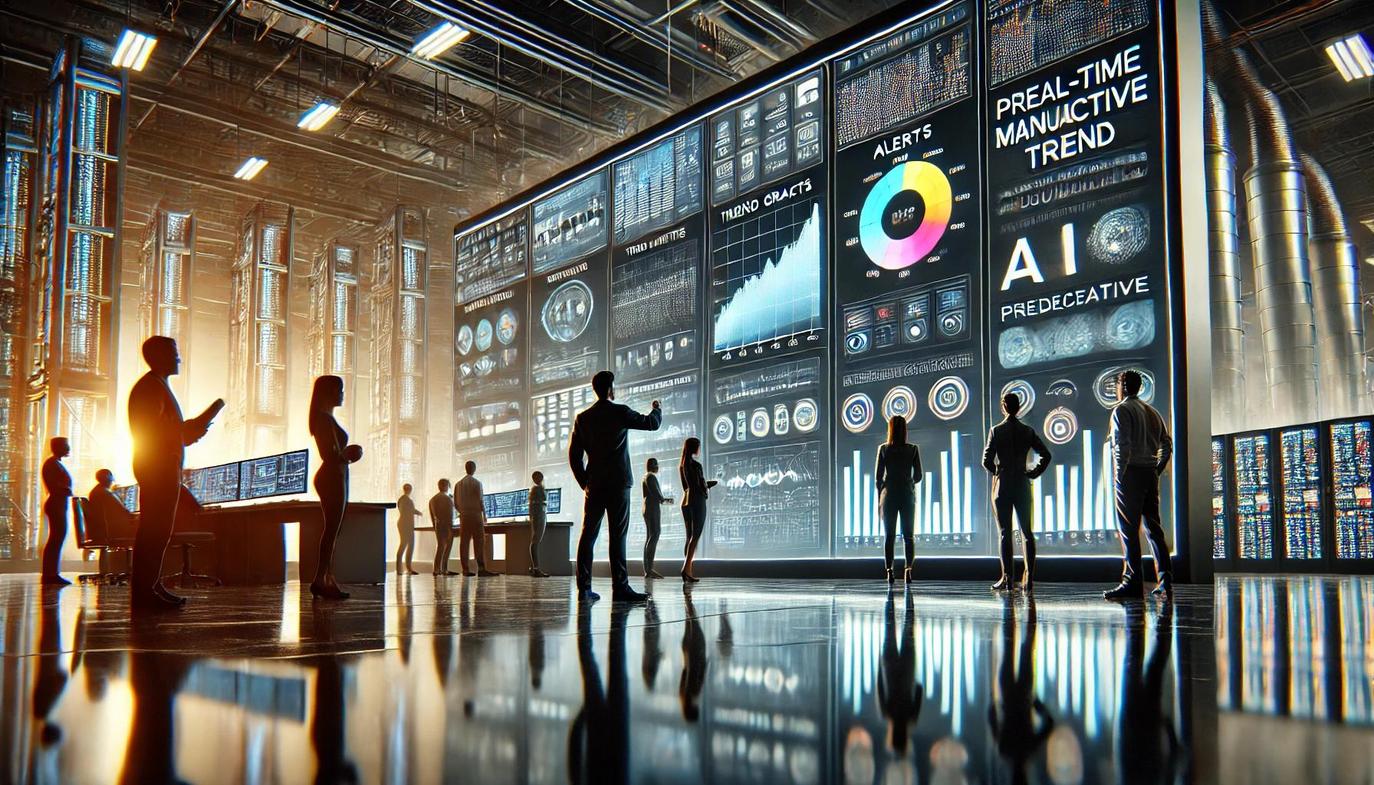
Industrial interfaces now prioritize clarity to ensure that human operators can act on data without experiencing cognitive overload. Modern dashboards are designed for intuitive use to bridge the gap between complex analytics and floor-level action.
These interfaces utilize several critical visualization tools:
- Color-coded urgency alerts
- Real-time trend graphs
- AI-generated predictive suggestions
- Automated exception reporting
Intuitive visualizations help floor managers and engineers focus on the exceptions instead of sifting through every data point. Such clarity results in better human-in-the-loop decision-making without micromanaging every machine.
Empowering Staff Through Training And Operational Playbooks
Companies that support this model also invest in training that enables staff to read sensor trends, interpret signals, and act confidently. Platforms offering operational playbooks and scenario libraries, like those featured on production support and training hubs, are becoming more common in facilities looking to bridge the skills gap and ensure operators can fully leverage real-time tools.
Cultivating Industrial Resilience And Long-Term Scalability
Real-time manufacturing is not only about solving current problems. It sets a permanent foundation for scalable growth. Capturing process data continuously allows organizations to build a library of operational knowledge. This repository feeds directly into process improvement, new product introduction, and scenario planning.
In sectors where compliance and traceability are critical, real-time logs also serve as a transparent record of process conditions. This reduces audit risk and simplifies certification.
Data-driven operations possess the agility to navigate unpredictable market shifts without losing momentum.
Resilient operations benefit from several key capabilities:
- Absorbing fluctuations in supply or labor
- Shifting priorities without planning delays
- Retooling lines with minimal physical disruption
- Maintaining output despite external variables
Strategic flexibility is essential as market shifts accelerate and customer expectations climb.
Strategic Advantages of Real-Time Industrial Integration
Forward-thinking manufacturers recognize that data is the most valuable raw material in a modern facility. Integrating real-time manufacturing technology into daily operations allows teams to move beyond basic survival and toward sustainable, data-driven growth. Transitioning toward real-time precision fosters an environment where excellence is the standard rather than the goal, ensuring that every resource—from raw materials to human labor—is utilized to its fullest potential.
Investing in advanced systems protects a company’s bottom line by mitigating risks before they manifest as costly delays. As industrial sectors continue to evolve, the capacity to monitor and adjust production in the moment will remain the primary differentiator for market leaders. By embracing transparency and automated insights today, facilities secure their place in the increasingly competitive global economy of tomorrow.
Manufacturing Efficiency Frequently Asked Questions
How does real-time technology lower production costs?
Localized monitoring detects inefficiencies like machine idle time and material waste immediately, allowing teams to correct course before financial losses accumulate.
Can real-time systems improve product quality?
Yes, by embedding sensors at key checkpoints, manufacturers catch defects as they occur, which reduces rework costs and maintains customer trust.
Does this technology replace human workers on the floor?
No, these tools enhance human oversight by providing clear insights and predictive suggestions, allowing staff to focus on high-level decision-making.
What role do digital calculators play in factory planning?
Digital tools help optimize infrastructure layouts, such as wire gauge and power distribution, reducing overheating risks and streamlining future scaling.
Why is scheduling integration important for uptime?
Linking diagnostics with scheduling allows the system to automatically reroute jobs if a machine underperforms, preventing bottlenecks and maintaining output targets.


