
In September 2021, Mexico made history with its landmark animal testing ban, becoming the first country in North America to prohibit animal testing for cosmetics. The Mexican Senate voted unanimously, 103 to zero, to approve a sweeping reform of the country’s General Health Law (Ley General de Salud), prohibiting not only the testing itself but also the manufacture, import, and marketing of cosmetics tested on animals anywhere in the world. At the time of passage, Mexico was the 41st country globally to enact such a ban, a number that has since grown to 45 as the cruelty-free movement accelerates worldwide.
This article examines the Mexico animal testing ban in detail, covering what the law covers, how it was enacted, the penalties for non-compliance, and how it fits into the broader global shift away from cosmetic animal testing.
What Mexico’s Animal Testing Ban Covers
Mexico’s ban is notably comprehensive. The reform to the General Health Law establishes that cosmetic research may not include animal testing on finished cosmetic products, individual ingredients, or combinations of ingredients. The law goes further than prohibiting testing alone: it also bans the manufacture, import, and commercialization of cosmetics whose final formulation has been tested on animals or that contain ingredients or ingredient combinations that have been the subject of animal testing.
This extraterritorial scope means that a product tested on animals in another country cannot legally be sold in Mexico. The provision is designed to prevent companies from simply outsourcing their testing to jurisdictions without bans and then importing the finished goods.
The law also guarantees consumers’ right to information. Product labels may indicate that no animal testing was carried out during manufacturing, helping shoppers make informed choices at the point of purchase.
The Legislative Journey: From Bill to Law
The path to Mexico’s animal testing ban began in April 2019, when Senator Ricardo Monreal Ávila introduced an initiative to reform the General Health Law. The bill was championed by a coalition of animal welfare organizations, including Humane Society International/Mexico (HSI/Mexico) and ONG Te Protejo, through their multi-year #BeCrueltyFree Mexico campaign.
A key catalyst for public support was the release of Save Ralph, a stop-motion animated short film produced by HSI that depicted the life of a rabbit used in cosmetic testing. The film went viral, accumulating more than 150 million social media views and over 730 million tags on TikTok. It generated more than 1.3 million petition signatures in Mexico alone, building significant political momentum.
The legislative timeline unfolded as follows:
- April 2019: Senator Ricardo Monreal introduces the initiative to the Mexican Senate.
- April 29, 2021: Mexico’s Chamber of Deputies approves the bill by a vote of 442 to 1, with zero abstentions.
- September 2, 2021: The Senate gives final, unanimous approval (103 votes in favor) and sends the decree to the Executive Branch.
- October 14, 2021: The decree is published in the Diario Oficial de la Federación (DOF), Mexico’s official gazette.
- October 15, 2021: The law enters into force, with a two-year transition period for manufacturers to adopt alternative testing methods.
- October 2023: The transition period ends, and the ban becomes fully enforceable.
Penalties and Enforcement Under Mexican Law
Mexico’s ban carries significant criminal penalties. Any person who contracts, authorizes, conducts, participates in, or develops cosmetic animal testing faces two to seven years of imprisonment and a fine equivalent to 200 to 2,000 times the value of the Unidad de Medida y Actualización (UMA), Mexico’s standardized unit for fines and fees. At 2026 UMA values, this translates to fines ranging from approximately 26,000 to 260,000 Mexican pesos (roughly $1,500 to $15,000 USD).
The law also authorizes authorities to clausure commercial establishments that sell products made with animal testing. Enforcement falls under the purview of COFEPRIS (Comisión Federal para la Protección contra Riesgos Sanitarios), Mexico’s federal health protection agency, which is responsible for monitoring compliance and applying sanctions.
The Executive Federal was given 180 days from publication to issue the necessary regulatory provisions for the law’s application. The Secretaría de Salud (Ministry of Health) was also tasked with incentivizing and facilitating national research into alternative, non-animal testing methods.
Exceptions and the Two-Year Transition Period
While the ban is broad, it does include specific exceptions recognized under the law:
- No validated alternatives: When an ingredient must undergo safety testing due to risks to human or environmental health, but no alternative methods validated by the international scientific community exist.
- Pre-existing safety data: When safety data for an ingredient was generated through animal testing for purposes other than cosmetics (such as pharmaceutical research), that data may be used. However, when the safety of an ingredient is widely established through historic use, no additional testing is required.
- Export compliance: When animal testing is required to fulfill the regulatory requirements of another country for export purposes.
The two-year transition period, which ran from October 2021 to October 2023, gave manufacturers time to substitute animal-based safety testing with validated alternatives. Companies that failed to comply by the deadline faced the full penalties under the law, including the requirement to withdraw non-compliant products from the Mexican market.
Mexico in the Global Context: 45 Countries and Counting

When Mexico passed its ban in 2021, it was the 41st country to do so. As of 2026, that number has grown to 45 countries with laws prohibiting cosmetic animal testing, according to Humane Society International. The global movement has accelerated significantly in recent years:
| Region | Countries with Bans | Key Milestones |
|---|---|---|
| European Union | 27 member states | Testing ban: 2004 (products), 2009 (ingredients). Sales ban: 2013. |
| Americas | Mexico, Canada, Chile, Colombia, Ecuador, Guatemala, Brazil | Mexico (2021), Canada (2023), Chile (2025), Brazil federal sales ban (2025) |
| Asia-Pacific | India, South Korea, Taiwan, Australia, New Zealand | India (2013), South Korea (2018), Australia (2020) |
| Middle East/Africa | Israel, Turkey | Israel (1994, one of the earliest), Turkey (2015) |
| Europe (non-EU) | UK, Norway, Iceland, Switzerland | UK (post-Brexit retained EU ban), Norway (2009) |
The European Union’s 2013 full sales ban remains the gold standard, as it prohibits both testing and the sale of animal-tested cosmetics across all 27 member states. Mexico’s law mirrors this comprehensive approach by banning not just testing but also the import and sale of products tested elsewhere. The Australian government’s 2020 ban and the European Parliament’s push to phase out animal testing are part of this same global trend.
Several more countries have legislation in progress, and advocacy organizations continue to push for a worldwide ban. As Antón Aguilar, then-executive director of HSI/Mexico, stated at the time of the ban’s passage: Mexico’s action brings the world “one bunny-leap closer to a global ban.”
The US Gap: 12 States Ban Animal Testing, But No Federal Law
While Mexico moved at the federal level, the United States has yet to pass a nationwide ban on cosmetic animal testing. Instead, the movement has advanced state by state. As of early 2025, 12 US states have enacted laws banning the sale of animal-tested cosmetics, according to the Animal Legal Defense Fund:
- California (first state, signed 2018, effective January 1, 2020)
- Nevada (effective January 1, 2020)
- Illinois (effective January 1, 2020)
- Maine (effective November 1, 2021)
- Virginia (effective January 1, 2022)
- Maryland (effective 2022)
- Hawaii (effective 2022)
- Louisiana (effective 2022)
- New Jersey (effective 2023)
- New York (effective 2023)
- Oregon (effective January 1, 2024)
- Washington (effective January 1, 2025)
Federal bills, including the Humane Cosmetics Act, have been introduced in Congress multiple times but have not yet been signed into law. This patchwork approach means that animal-tested cosmetics can still legally be sold in the majority of US states, a stark contrast to Mexico’s uniform nationwide prohibition.
What Are the Alternatives to Animal Testing?
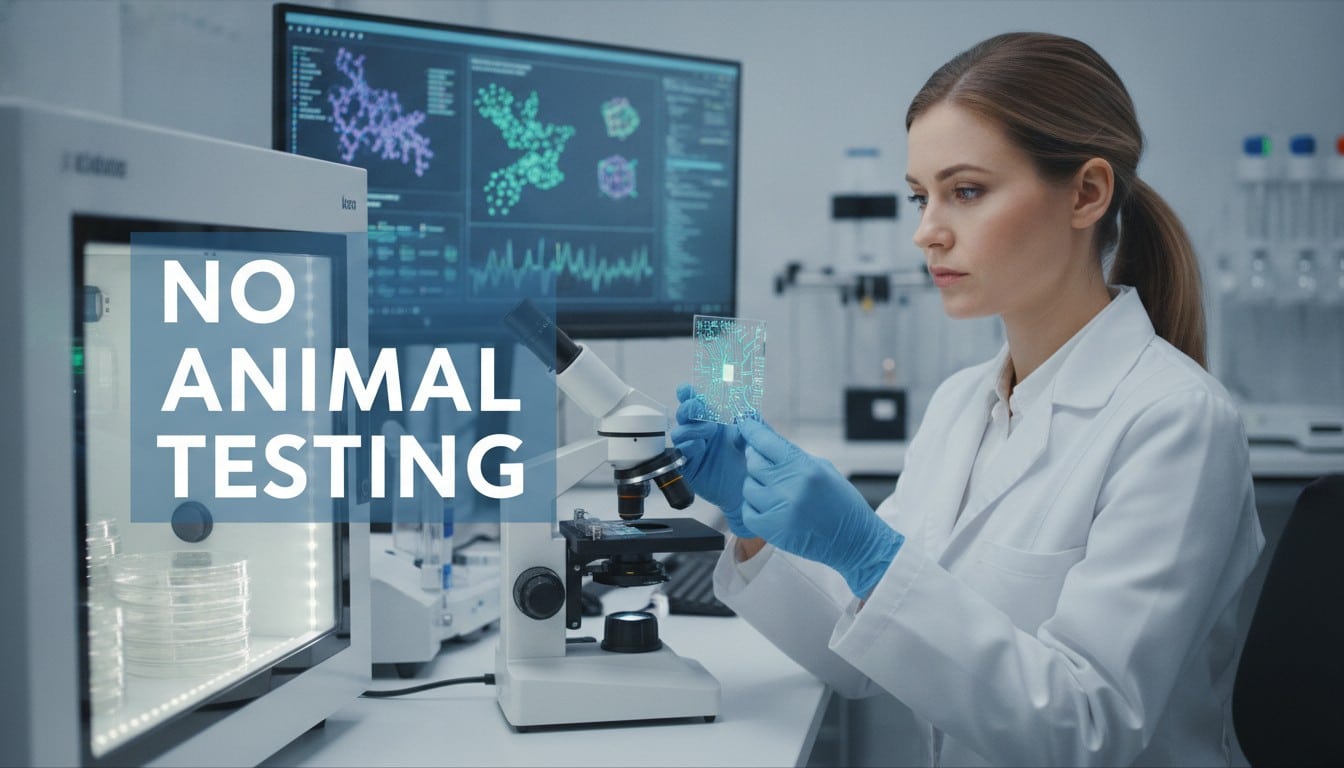
Mexico’s law explicitly tasks the Secretaría de Salud with promoting the development and adoption of non-animal testing methods. The good news is that a robust toolkit of alternatives already exists and continues to expand:
- In vitro testing: Laboratory tests using human cell cultures and reconstructed human tissue models (such as EpiDerm and SkinEthic) can assess skin irritation, corrosion, and phototoxicity without animals.
- Organ-on-a-chip: Microfluidic devices that mimic the structure and function of human organs, allowing researchers to study how chemicals interact with human tissue in a controlled environment.
- Computational modeling: Computer-based methods (in silico) that use existing data to predict the safety of new ingredients through quantitative structure-activity relationships (QSARs).
- Human volunteer studies: Controlled patch testing on human volunteers, conducted under ethical oversight, provides direct data on how products interact with human skin.
- Existing safety data: When an ingredient has a long history of safe use, or safety data already exists from previous testing (for non-cosmetic purposes), new animal tests are unnecessary.
The Animal-Free Safety Assessment (AFSA) Collaboration, which includes major cosmetics companies such as L’Oréal, Unilever, Procter & Gamble, Avon, and Lush, has been instrumental in validating and promoting these alternatives. Their work demonstrates that non-animal methods are not only ethically preferable but often more accurate at predicting human reactions than traditional animal tests.
What This Means for Consumers and the Beauty Industry
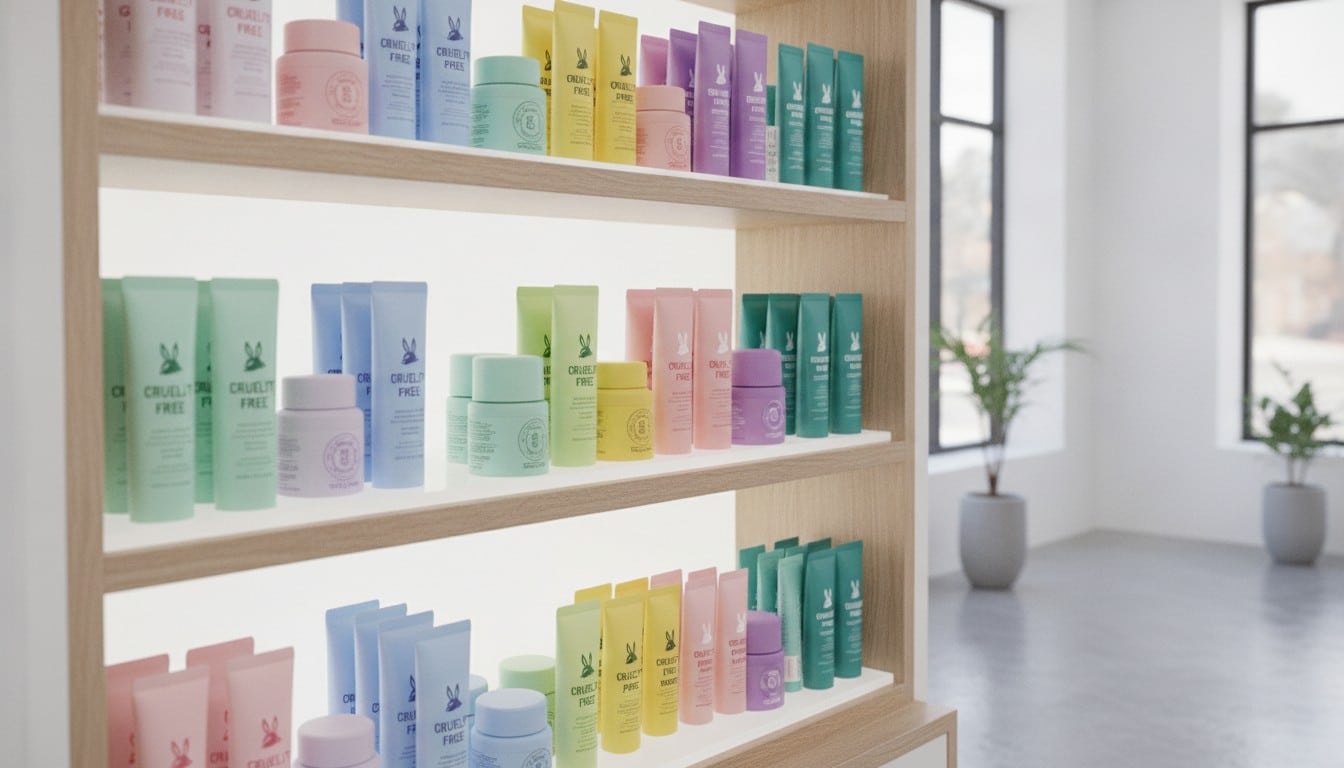
For consumers, Mexico’s ban translates to greater transparency and more cruelty-free options on store shelves. The labeling provisions allow products to advertise that they were not tested on animals, making it easier for shoppers to align their purchases with their values.
For the beauty industry, the ban has accelerated the global shift toward alternative testing methods. Major multinational brands have adapted their formulations and supply chains to comply not only with Mexico’s law but with the growing network of bans worldwide. Companies that had already transitioned to cruelty-free testing faced minimal disruption, while those still relying on animal data were forced to invest in alternative technologies.
The economic impact has been largely positive for the cruelty-free cosmetics market, which has seen consistent growth. Consumers increasingly expect brands to be cruelty-free, and legislative bans reinforce this expectation by creating a level playing field where no company can gain a competitive advantage through animal testing.
Mexico’s ban also sends a powerful signal to other countries in the Americas and beyond. With Canada, Chile, and Brazil all passing their own bans since 2021, the Western Hemisphere is rapidly becoming a cruelty-free zone for cosmetics.
Frequently Asked Questions
Is animal testing still legal in Mexico?
Animal testing for cosmetics is fully banned in Mexico. The law entered into force on October 15, 2021, and the two-year transition period for manufacturers ended in October 2023. Any company found conducting, commissioning, or selling animal-tested cosmetics in Mexico now faces criminal penalties of two to seven years in prison.
How many countries have banned animal testing for cosmetics?
As of 2026, 45 countries have enacted laws prohibiting cosmetic animal testing, according to Humane Society International. This includes all 27 European Union member states, as well as countries across the Americas, Asia-Pacific, the Middle East, and Europe. The number continues to grow as more nations adopt cruelty-free legislation.
What US states have banned animal testing for cosmetics?
Twelve US states have banned the sale of animal-tested cosmetics: California, Nevada, Illinois, Maine, Virginia, Maryland, Hawaii, Louisiana, New Jersey, New York, Oregon, and Washington. However, there is no federal ban in the United States, meaning animal-tested cosmetics can still be sold in the remaining 38 states.
What happens if a company violates Mexico’s ban?
Violators face two to seven years of imprisonment and fines of 200 to 2,000 times the UMA value. Authorities can also order the closure of commercial establishments selling non-compliant products. Enforcement is carried out by COFEPRIS, Mexico’s federal health protection agency.
Does Mexico’s ban apply to products tested on animals in other countries?
Yes. Mexico’s law has extraterritorial reach: it prohibits the manufacture, import, and marketing of cosmetics that have been tested on animals anywhere in the world. This prevents companies from outsourcing testing to countries without bans and then selling those products in Mexico.


