
Dengue fever cases in Yogyakarta, Indonesia, were reduced by 77% in regions where Wolbachia-infected Aedes aegypti mosquitos were released (compared with the untreated areas). Wolbachia is a naturally occurring bacteria that has been found, from previous research, to reduce the mosquitos’ ability to pass on the virus (transmit dengue) when they bite people.
Although the previous studies weren’t controlled, so the outcomes weren’t dependable. This new research, however, was controlled, and its excellent results could pave the way to eliminating – or at least drastically minimizing the spread of – the disease where it’s endemic.
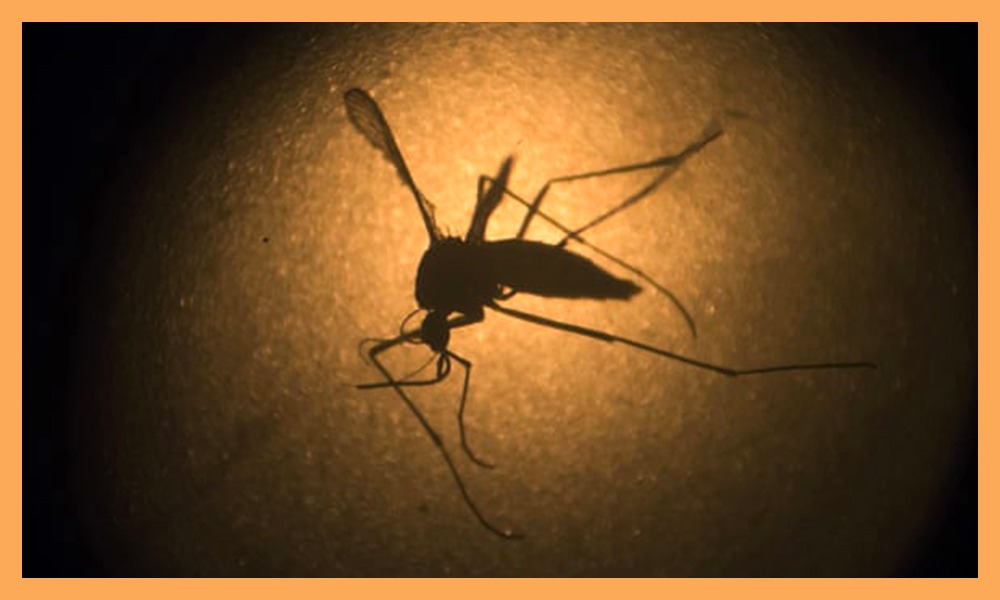
While the preliminary results focused solely on dengue, the control strategy could potentially work for other viruses carried by A. aegypti mosquitoes, such as chikungunya, malaria, yellow fever, and Zika. Detailed results will be presented in November at an international scientific congress.
The biostatistician who designed the study, Nicholas Jewell, from the University of California, Berkeley, said:
The basic story is, you get the bacterium into the mosquito, you breed the mosquito, you deploy it, it blocks the virus, and bingo. It not only blocks one virus, but it also blocks many flaviviruses. It is like a magic bullet. But would it work? Here, we finally demonstrated it worked in practice.
It is a huge breakthrough. If this can be replicated and used widely, it could eradicate dengue from several parts of the world for many years.
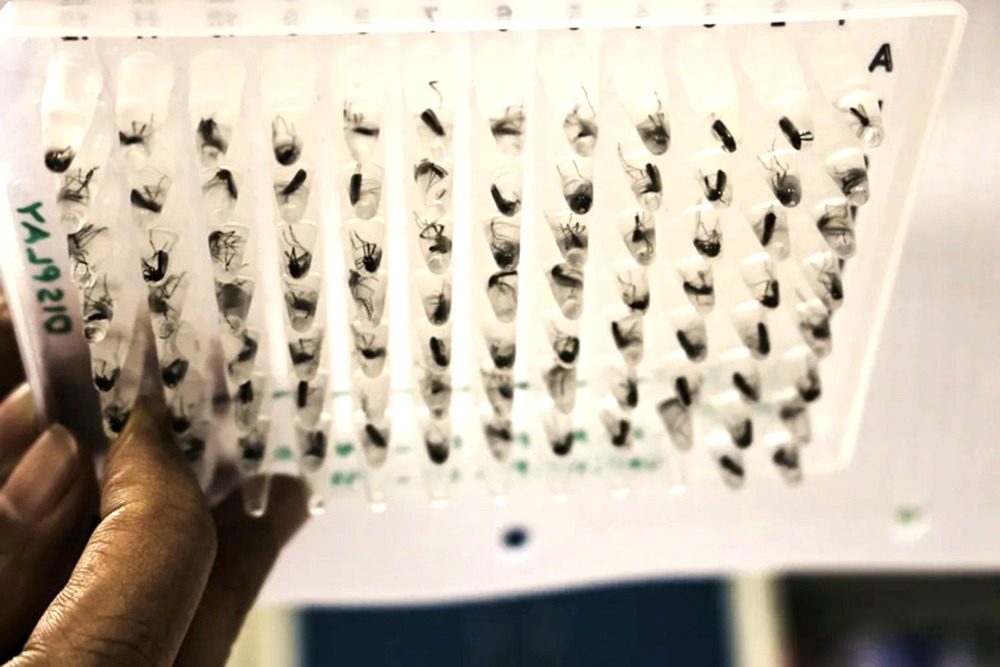
The 27-month trial involved the distribution of buckets of Wolbachia-infected mosquito eggs to households in certain parts of the city over six months. Around six million mosquitos were released, which then went on to infect other wild mosquitoes. The infected insects did not alter the mosquito populations or cause any behavioral changes.
The local clinics were working with the scientists to gather data. In the months that followed, they kept track of how many people came in and tested positive for dengue, and which areas each person had been in the previous ten days.
After over two years since they released the Wolbachia-infected mosquitos in the city of Yogyakarta, the bacteria remain at a very high level in the local mosquito population. That means the method is a viable long-term solution. The findings provide hope in the battle against mosquito-borne illnesses.
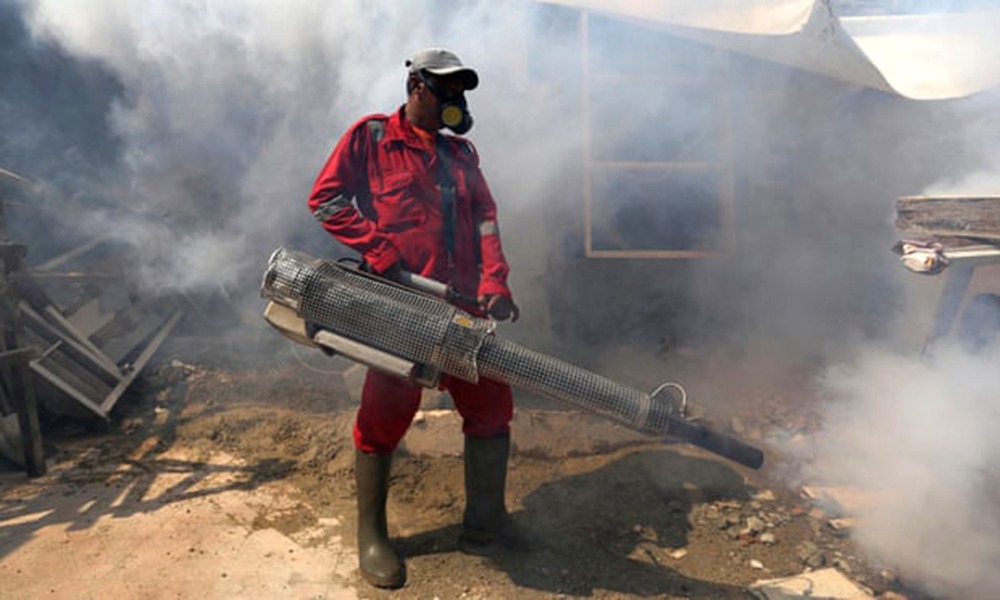
Dengue has grown to become a significant public health concern. Outbreaks in areas where the disease is already endemic are more prominent, and it’s spreading to previously unaffected countries. Furthermore, there is still no specific treatment for it.
Global warming and the movement of people between countries are to blame for the spread. When someone is bitten by a mosquito with dengue, they carry the virus in their blood into new areas. When a mosquito there bites them, it becomes infected and spreads the virus to the rest of the mosquitos, and the disease becomes endemic in a new country.
Jewell said:
That is how Zika spread around the world. People got it after traveling, and then the local mosquito population got Zika, and then other humans got Zika and off you go. That is exactly how mosquito-borne diseases work.
Mosquito-borne diseases are contracted by almost 700 million people yearly. Now that they know this Wolbachia method works, the WMP has a goal of releasing mosquitoes in high-risk areas covering 75 million people over the next five years and 500 million within a decade.
A couple of other recent studies focused on battling mosquito-borne illness include infecting mosquitos with a genetically-modified fungus to stop malaria and exposing mosquitos to a specific parasite that protects it from malaria.


