On February 25, 2020, the Scottish Parliament approved free sanitary products for all women. The new bill is a dream come true for underprivileged women. Now, they will be able to pick up pads or tampons at specific locations such as pharmacies or community centers.
Monica Lennon, a Member of the Scottish Parliament (MSP), introduced the Period Products (Free Provision) Scotland bill to the parliament on April 23, 2019, in a bid to tackle period poverty. The bill is a “real signal to people in this country about how seriously parliament takes gender equality,” she said. Lennon initially estimated the bill would cost around $12.4 million a year to the government. However, the government estimated the annual statement to the taxpayer would cost approximately $30.7 million.
A 2018 poll conducted by Young Scot found that over 25% of women in Scotland, Wales and England have missed school or work because they could not afford to buy menstrual products. This is a common scenario in period poverty. Soon after, Scotland began providing free sanitary products to schools and universities, to ensure pupils don’t miss lessons due to their period. Wales and England also started to offer free pads and tampons in all primary and secondary schools.
Women typically spend $13.25 a month on menstrual products, which is $6,360 in an average woman’s reproductive lifetime. Pads and Tampons have been a political issue in the U.K. due to the Tampon Tax, which is a 5% tax rate on sanitary products set by the EU.
Women’s activist groups have criticized supermarkets for displaying anti-shoplifting signs on shelves of menstrual products. “Years of austerity and rising homelessness have pushed many women into a situation where their only options are to shoplift for these basic essentials or to go without,” explained Mandu Reid, the spearhead of the Women’s Equality Party.
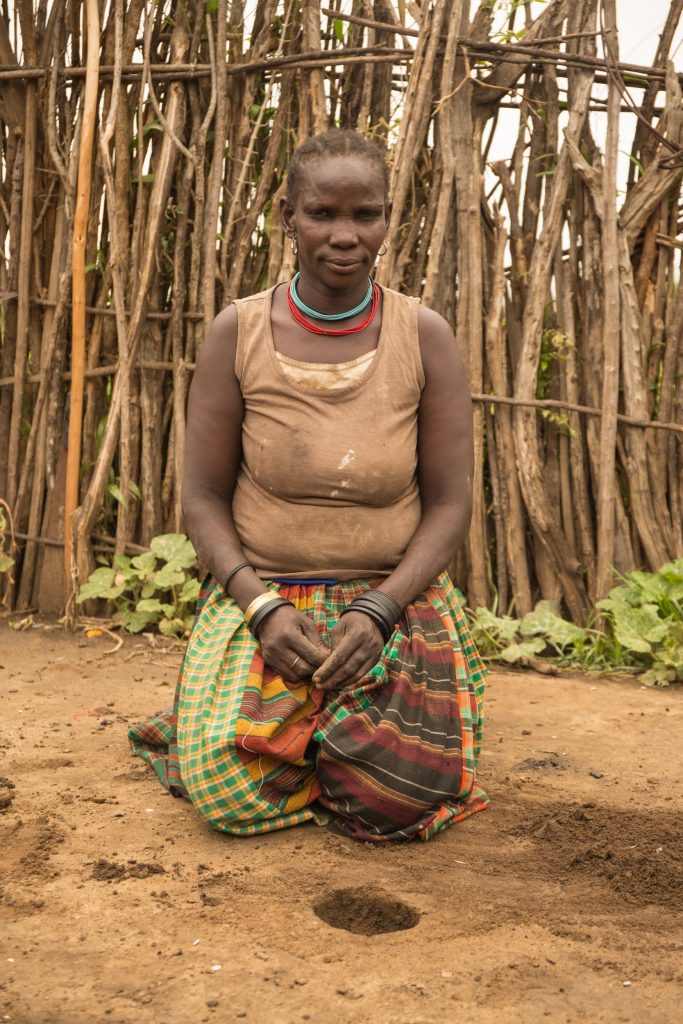
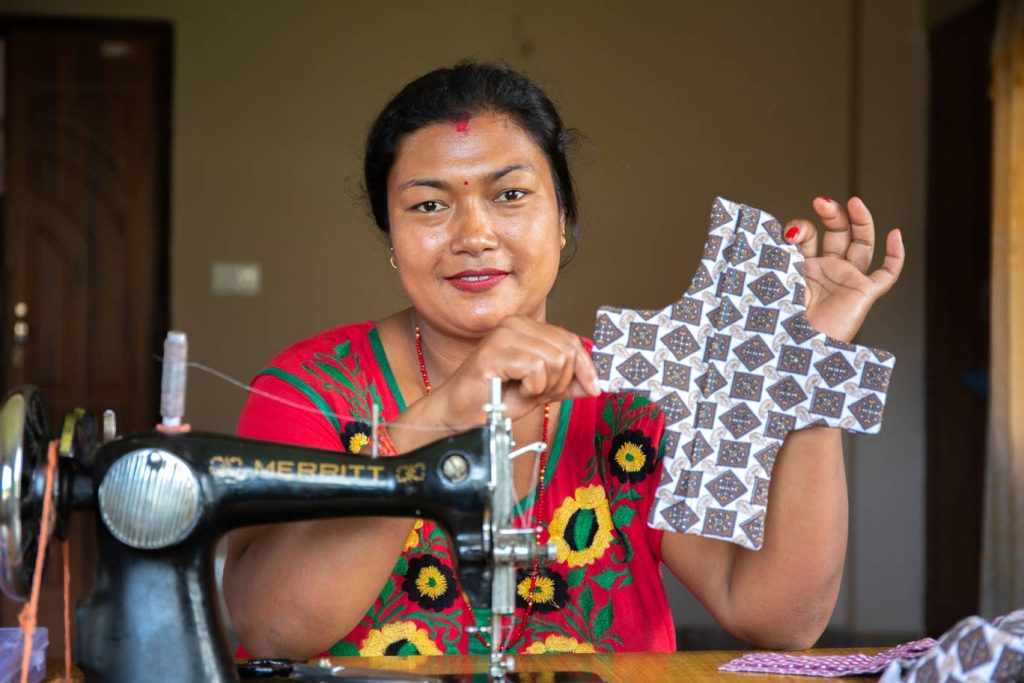
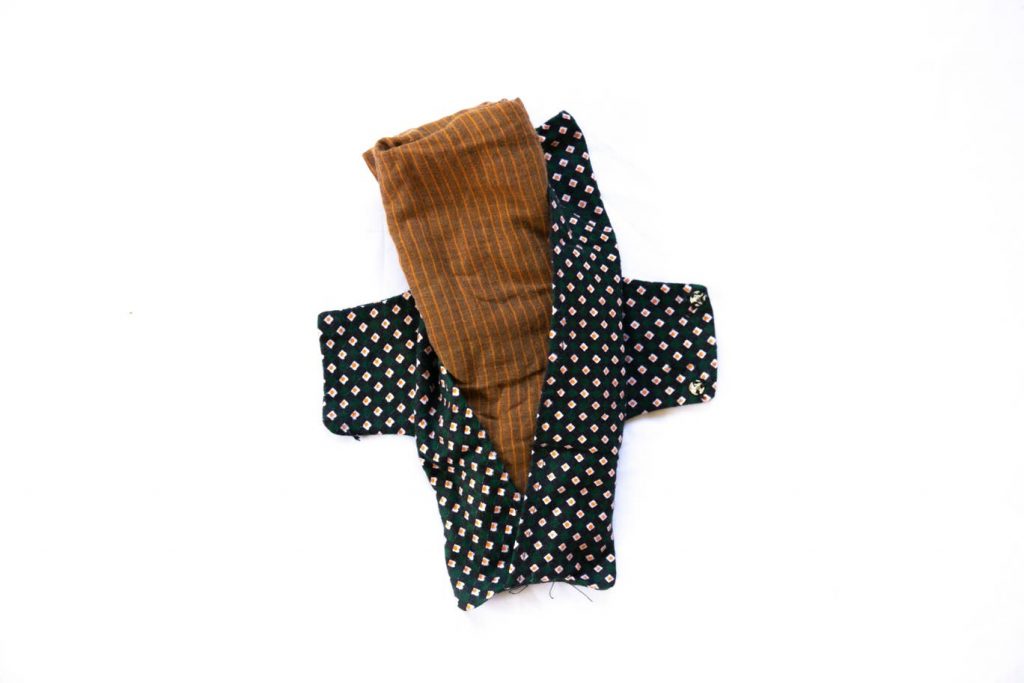
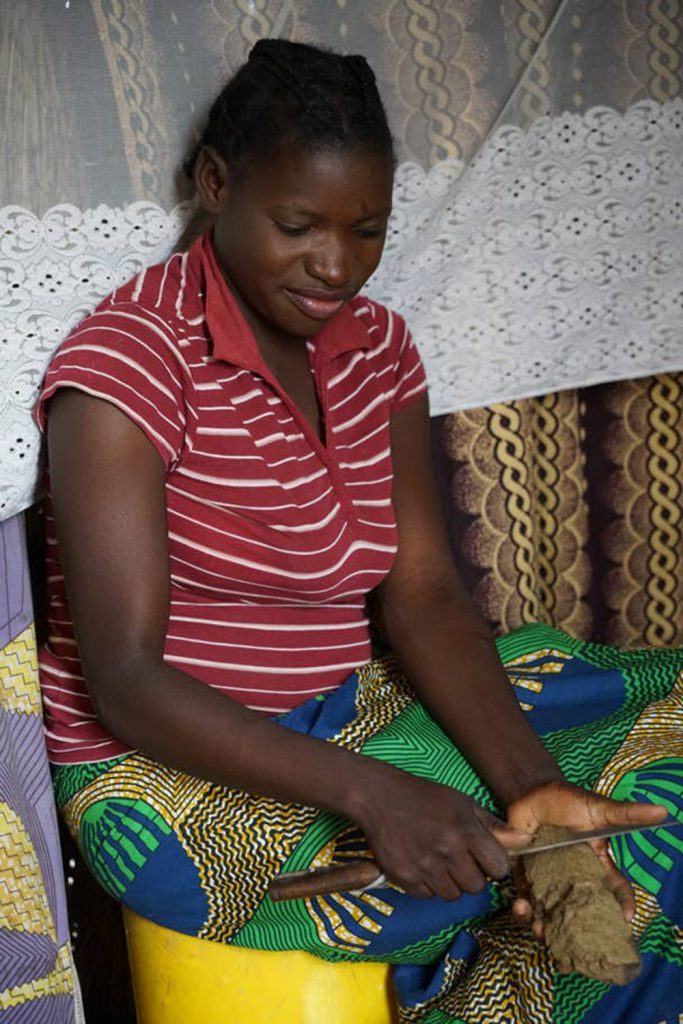
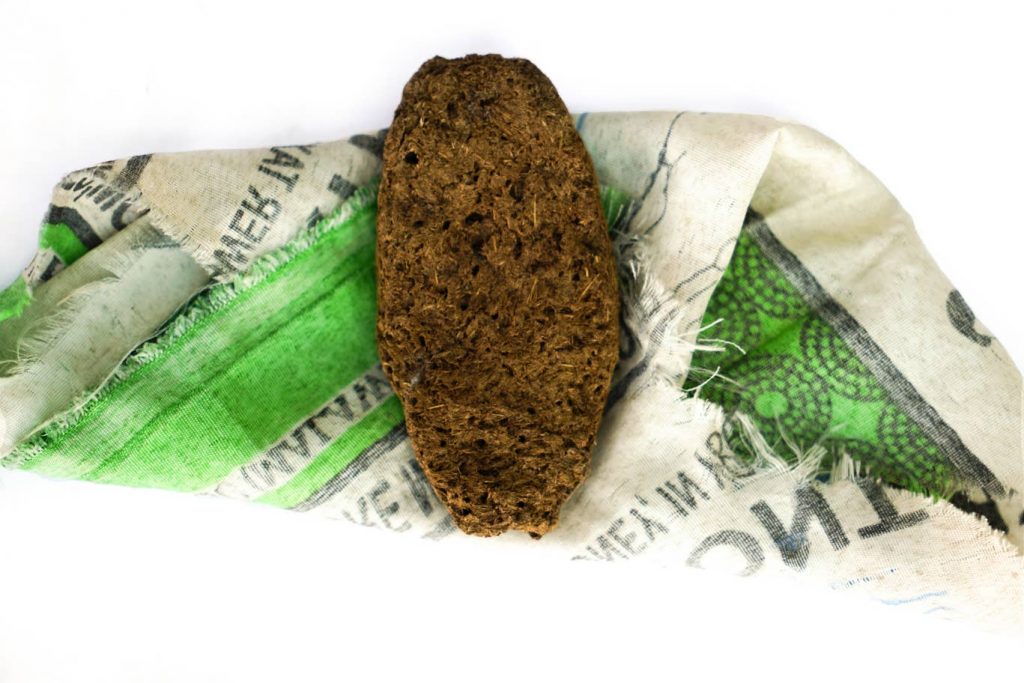
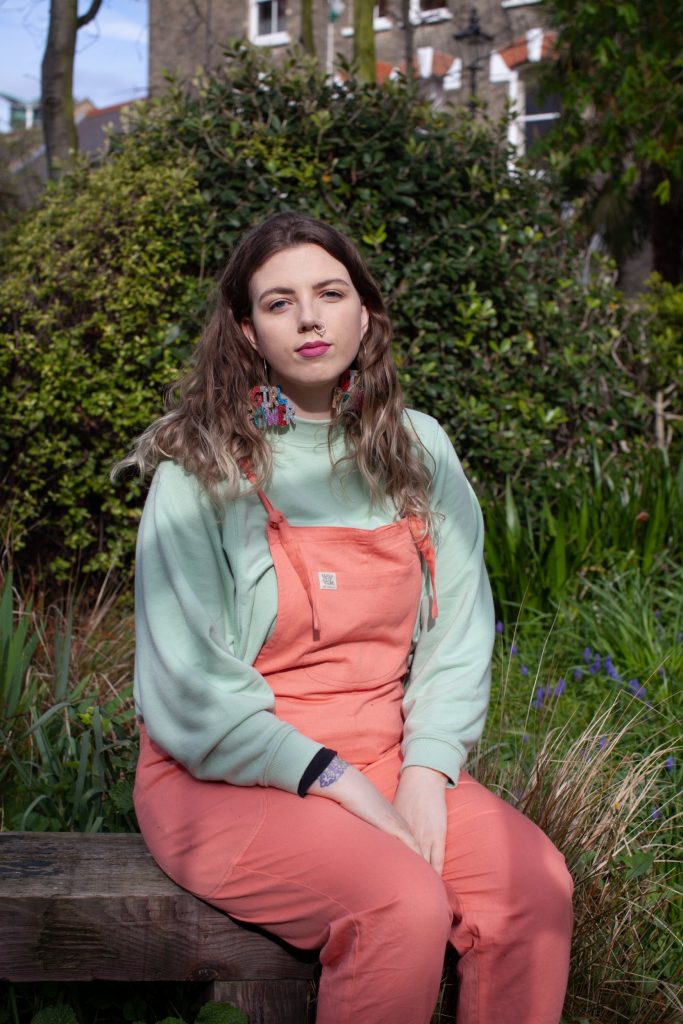
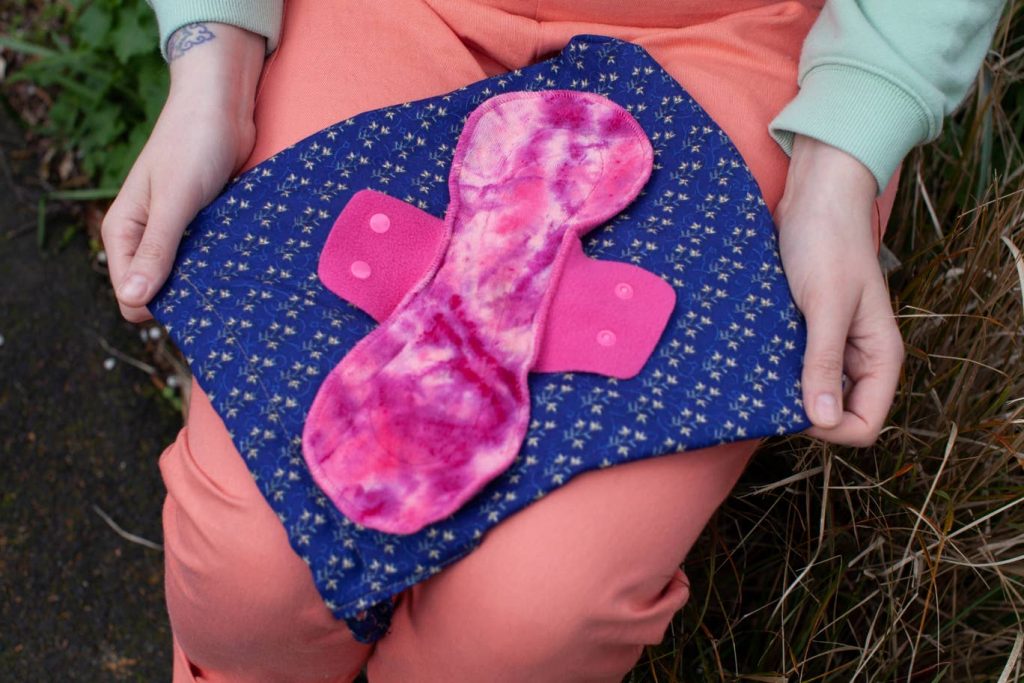
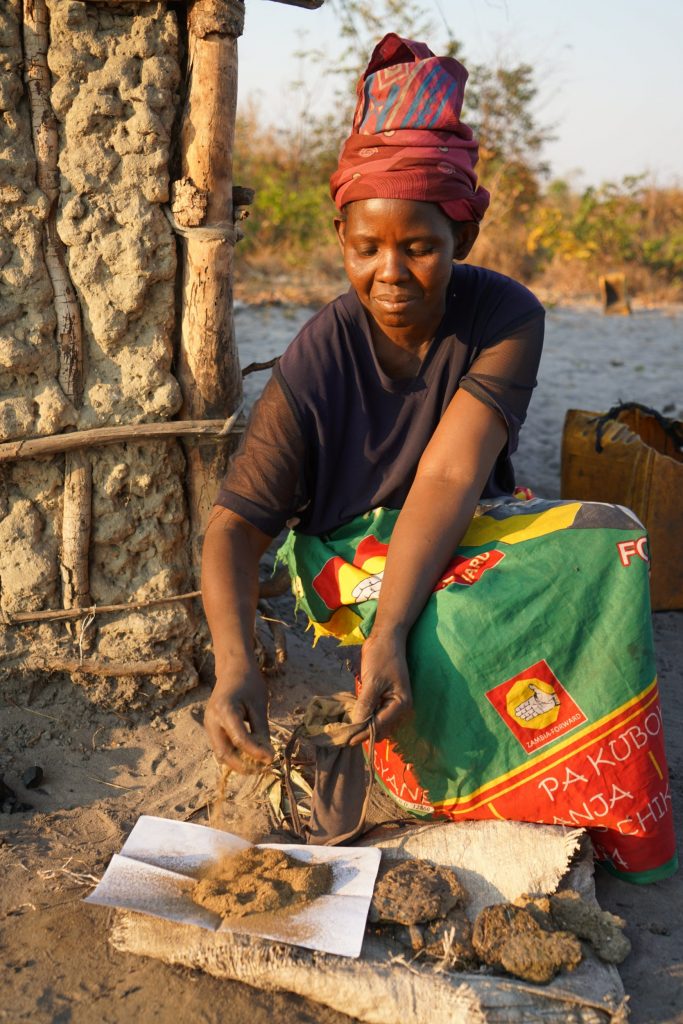
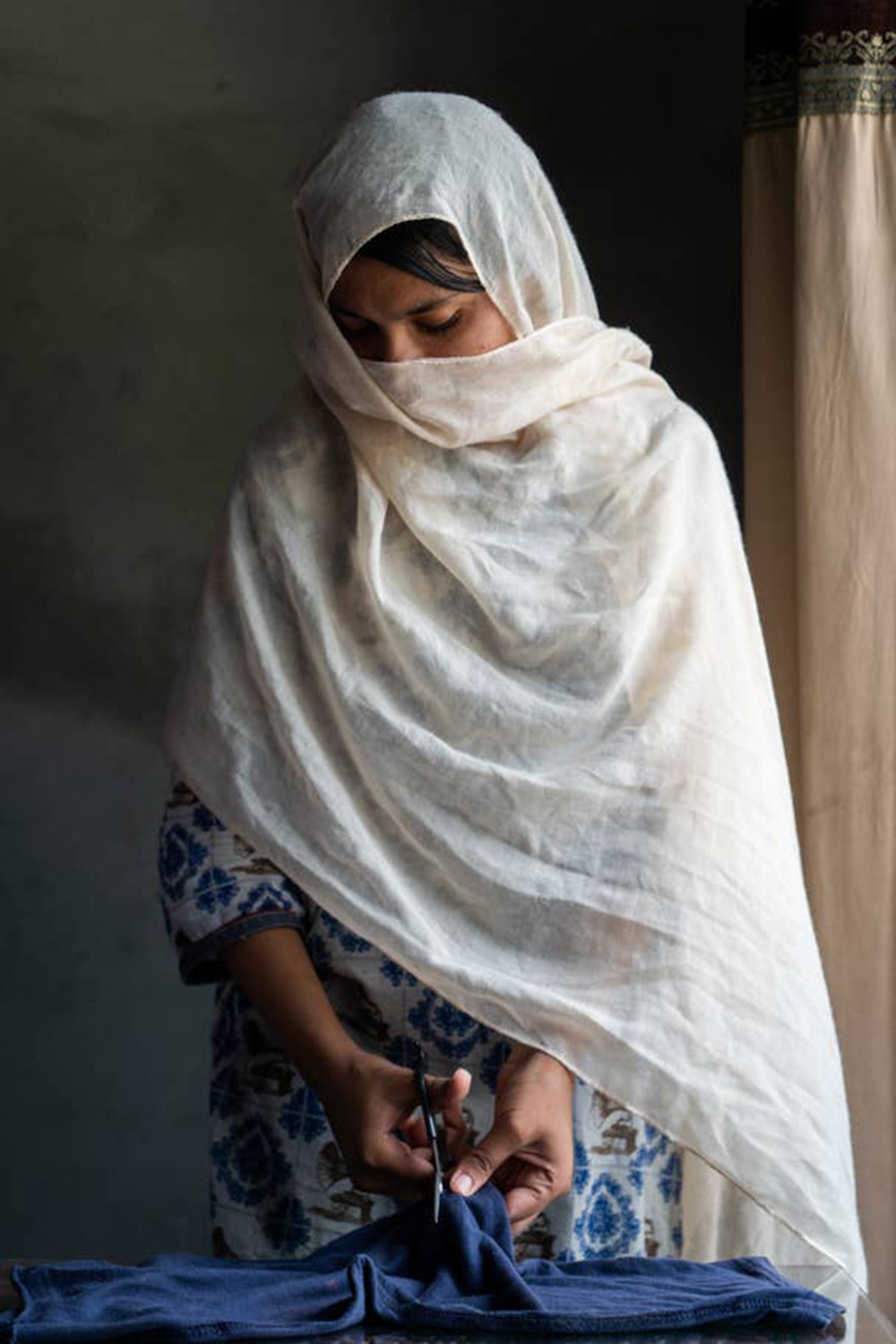
All around the world, women struggle with period poverty. Some women use reusable sanitary pads or menstrual cups to avoid adding waste to the environment, but some women have to get creative because they don’t have enough money. Check out the photos below of the different ways in which women around the world manage their periods.