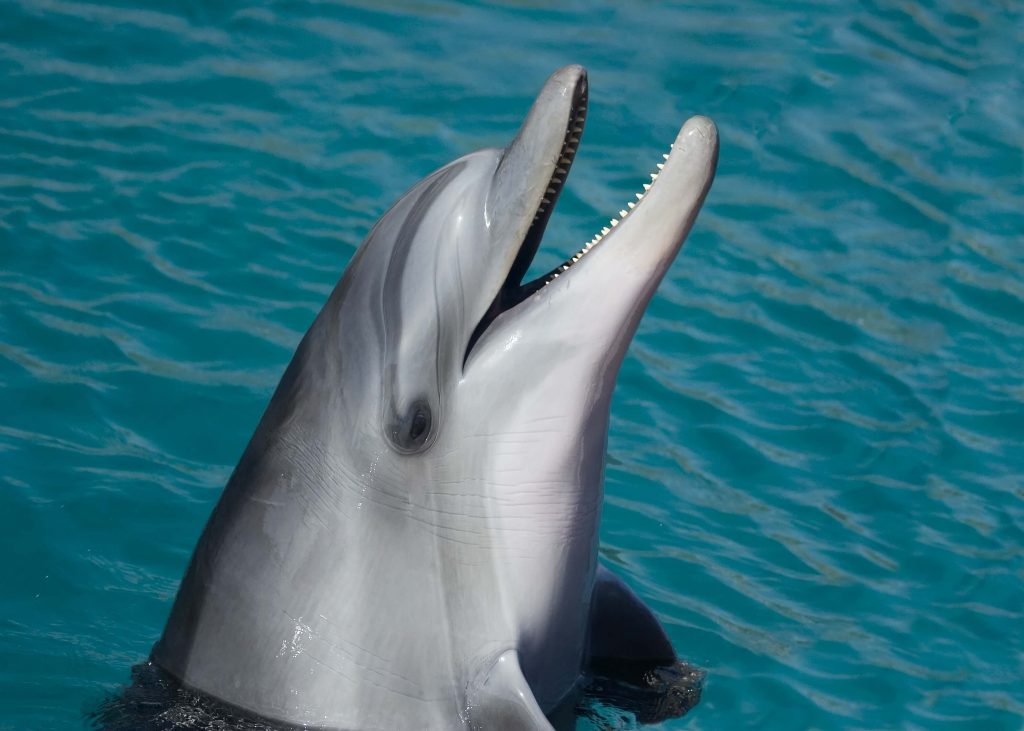
Bottlenose dolphins are incredibly social creatures, which makes them a very popular attraction for tourists and “swimming with dolphins” a must-do activity. Unfortunately, most people don’t realize just how much stress they are putting these poor dolphins through. People assume that the dolphins are happy to interact because the shape of their head makes it appear like they are smiling, but they can’t change the shape of their head regardless of if they are happy or in distress.
This is why the government of New Zealand has banned tourists from swimming with them in the Bay of Islands. This is just one of the many new protections that the Department of Conservation has announced.
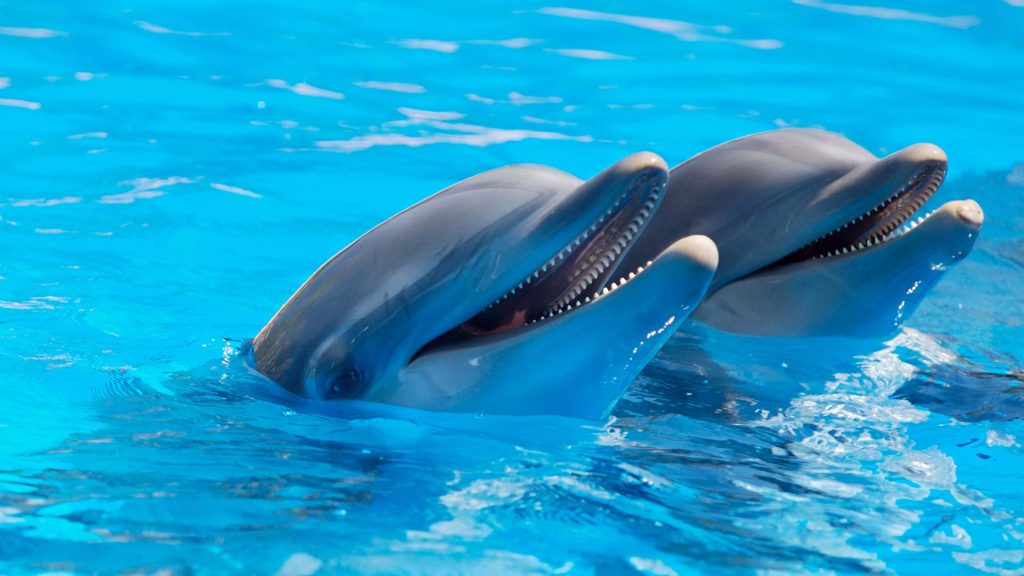
On July 1, 2019, the new permit rules were launched. They apply to all commercial operators active in the area. The permit restrictions include bans on swimming with dolphins and require operators to abide by a strict limited viewing and interaction time to a maximum of 20 minutes per trip while limiting locations for these activities by closing off areas around Tapeka Point and Roberton Island. In addition, operators are restricted to viewing the dolphins to either the morning or the afternoon but not both, this ensures that there is a significant amount of time where the dolphins are left alone.
The Department of Conservation said: “People are loving the dolphins too much.”
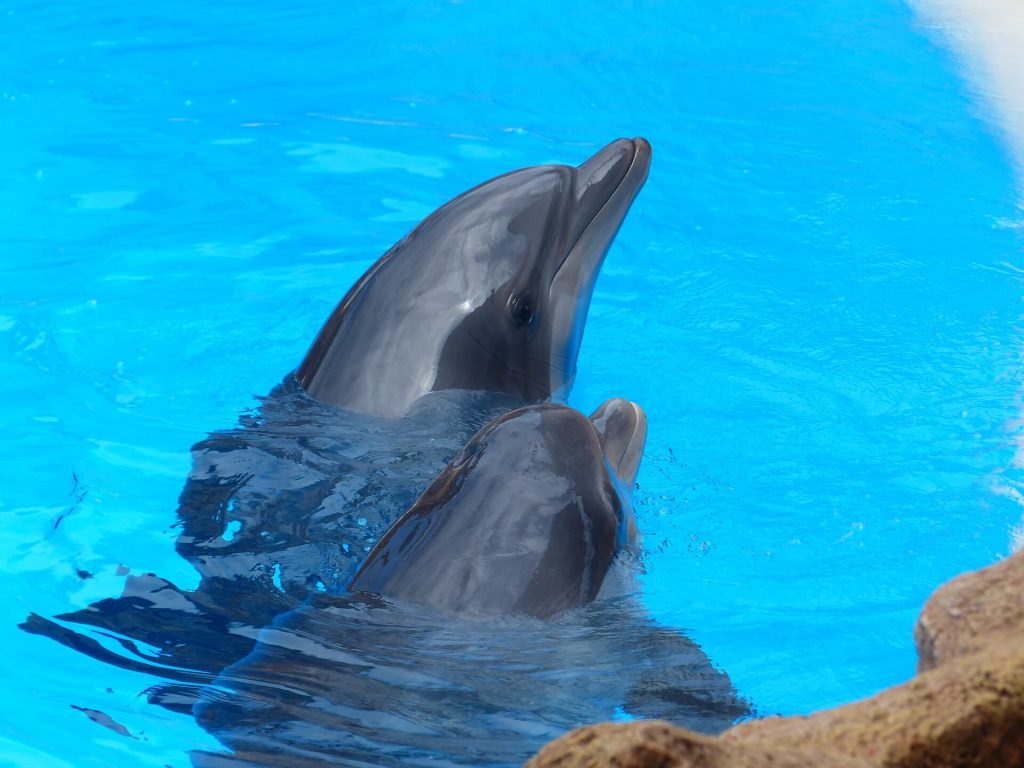
These new permit updates were decided after research that showed just how much the interplay between humans and dolphins affect their existence. In 2010 for example, a study published in Endangered Species Research found that too much human-dolphin interaction such as swimming too close to and/or touching bottlenose dolphins is extremely stressful for the animals and could cause psychological problems that prevent them from resting, feeding, and nurturing their children.
Further research found that local calf mortality had a rate of 75%, which isn’t only the highest reported in New Zealand but the highest in the world. Bottlenose dolphins prefer to swim in coastal regions, which makes them vulnerable to human activity. Since 1999, the numbers of dolphins in the Bay of Islands has drastically declined to 66%, leaving as little as 19 individuals that frequently visit the islands.
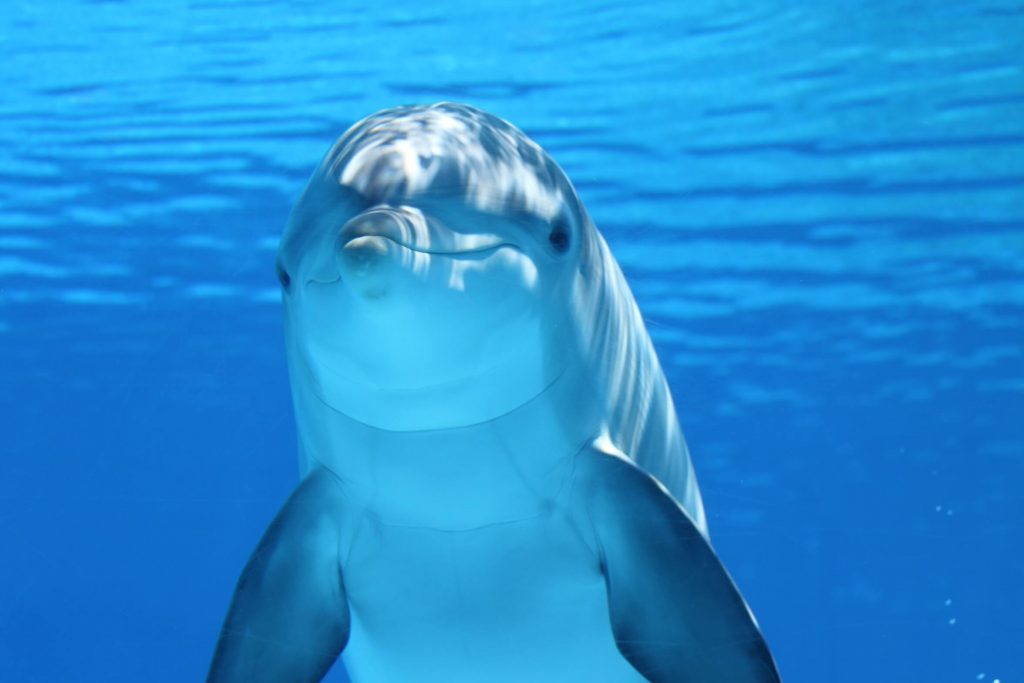
Even though these highly intelligent creatures are listed as a species of “Least Concern” on the IUCN Red List, and can be found in most parts of the world’s waters that doesn’t mean they won’t eventually be listed as an endangered species. If we could prevent that from happening then we should, but we should always treat them with respect regardless. Hopefully, these new regulations will let the dolphins eat, play, mate, nurture their young and live in peace.