
Pain relief often begins as a simple solution to an injury or surgery, yet for many, it quietly evolves into a struggle they never anticipated. A prescription meant to heal can shift into a daily cycle where the medication dictates the schedule. Acknowledging this change is the brave first step toward reclaiming your life from opioid dependence.
Recovery is not just about stopping a pill; it is about rebuilding the person behind the prescription. The path forward may feel steep, but understanding how these substances affect your mind and body is the key to unlocking freedom. You are not alone in this fight, and the road to healing is clearer than you think.

How Opioids Hijack the Brain: The Science of Dependence
The Pharmacological Trap
Opioids do more than just dull pain; they reshape how your brain rewards you. By binding to specific receptors, they trigger a flood of dopamine that creates a temporary sense of peace or euphoria. Over time, your brain relies on this artificial surge, making it harder to feel joy from everyday life. This is not a weakness of character—it is a chemical shift that demands compassion and patience to reverse.
From Relief to Reliance
The cycle often moves faster than expected. What starts as managing acute pain can evolve into a need just to feel ‘normal.’ Tolerance builds, meaning you need more to get the same relief, while withdrawal symptoms wait for anyone who tries to stop suddenly. Grasping this biological reality is vital because it reframes the struggle: addiction is a medical challenge to be treated, not a flaw in character to be ashamed of.
Recognizing the Need for Change: Signs It’s Time to Seek Help
When Management Becomes Misuse
Subtle shifts in your daily routine often reveal that the medication has taken on a new, more controlling role in your life. Pay close attention if you find yourself:
- Watching the clock obsessively for your next scheduled dose.
- Feeling a spike of anxiety when your prescription bottle runs low.
- Rationalizing taking an extra pill on particularly bad days.
These are not just harmless habits; they are clear signals from your body and mind that dependence may be forming.
The Limitation of Self-Management
Trying to quit on your own often leads to a painful cycle of relapse, as the physical grip of withdrawal can be overwhelming. Chronic reliance rewires your stress responses, making it difficult to cope without chemical support. For most individuals, the first critical step is a medically supervised opioid detox, which safely manages withdrawal symptoms and prepares the body for the next stage of recovery. Professional support, whether through therapy, medication-assisted treatment, or support groups, then provides the tools needed to navigate these challenging waters safely.
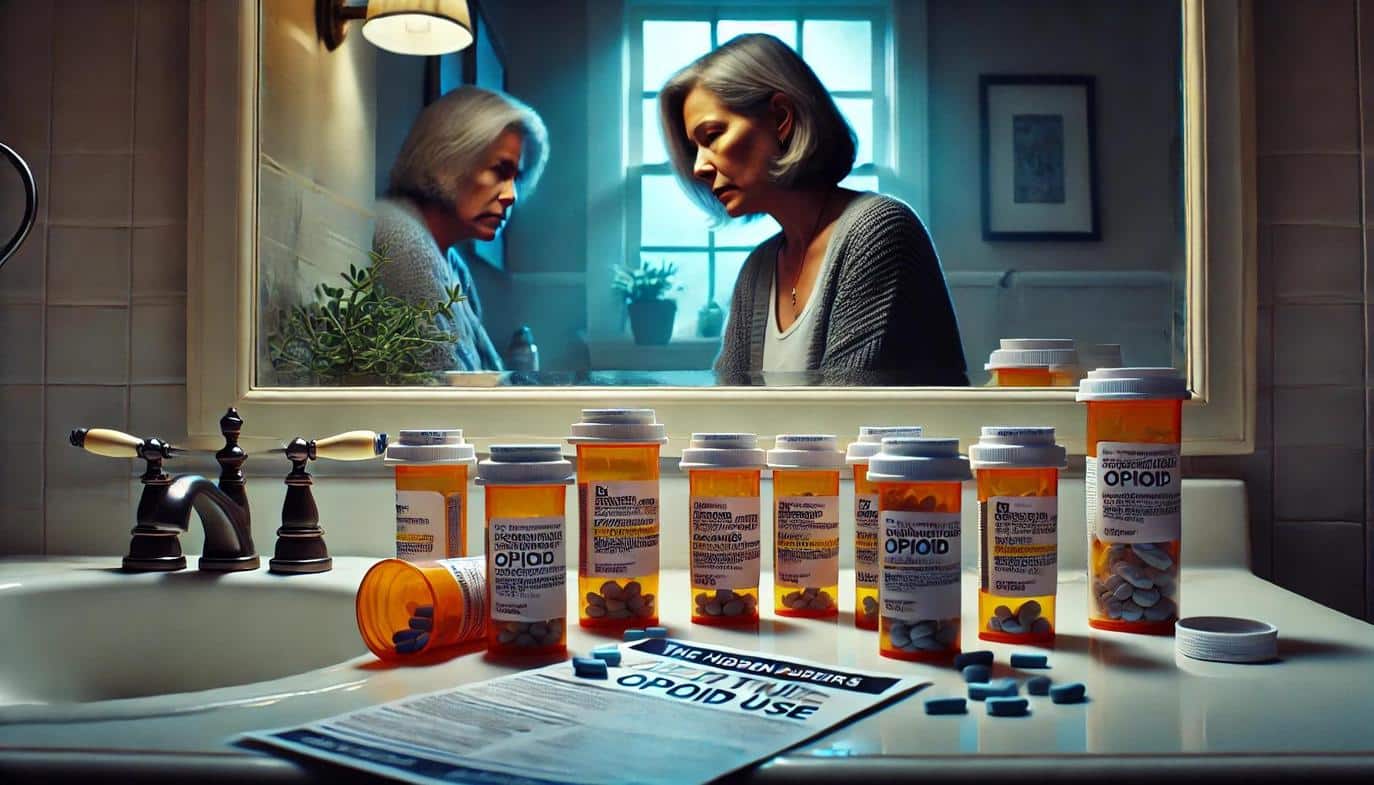
The Hidden Dangers of Continued Opioid Use
The Danger of Opioid Dependence and Addiction
Substance Use Disorder occurs when cravings persist despite negative consequences, driven by profound brain changes rather than a simple lack of willpower.
Stats paint a grim picture: about 1 in 5 short-term opioid users develop misuse patterns. For combos, that rate climbs with longer use. Picture it as a sticky trap—starts helpful, ends with it controlling your days.
Spot early signs like hiding pills or doctor shopping. Seek help through therapy or support groups. Breaking free takes time but saves lives.
Acetaminophen Toxicity and Liver Damage
While acetaminophen is a common household staple, it carries a hidden risk when taken in excess. Since opioid combinations often include this ingredient, unknowingly doubling up with over-the-counter cold or sinus relief can overwhelm the liver. This “silent” toxicity builds up without immediate warning, making label checking a critical safety habit.
Symptoms of toxicity can be subtle at first but escalate quickly. Be on the lookout for:
- Persistent nausea or vomiting.
- Yellowing of the skin or eyes (jaundice).
- Sharp pain in the upper right abdomen.
Acute liver failure is a medical emergency that requires immediate intervention to prevent fatal outcomes.
Why so sneaky? Folks don’t count all sources. Always check labels. If pain lingers, ask your doc about liver-safe swaps.
Understanding the Critical Risk of Respiratory Depression
Mixing opioids with alcohol or sleep aids creates a dangerous synergy that can slow breathing to a stop. This combination is a primary driver of accidental overdoses because the effect is often sudden and silent, occurring while a person is asleep.
Carry naloxone, a rescue shot, if you’re on higher doses. It reverses opioid effects in minutes. Recent data: overdoses from hydrocodone combos rose 15% last year.
Feel drowsy or foggy? Stop and call for help. Don’t wait—seconds count.
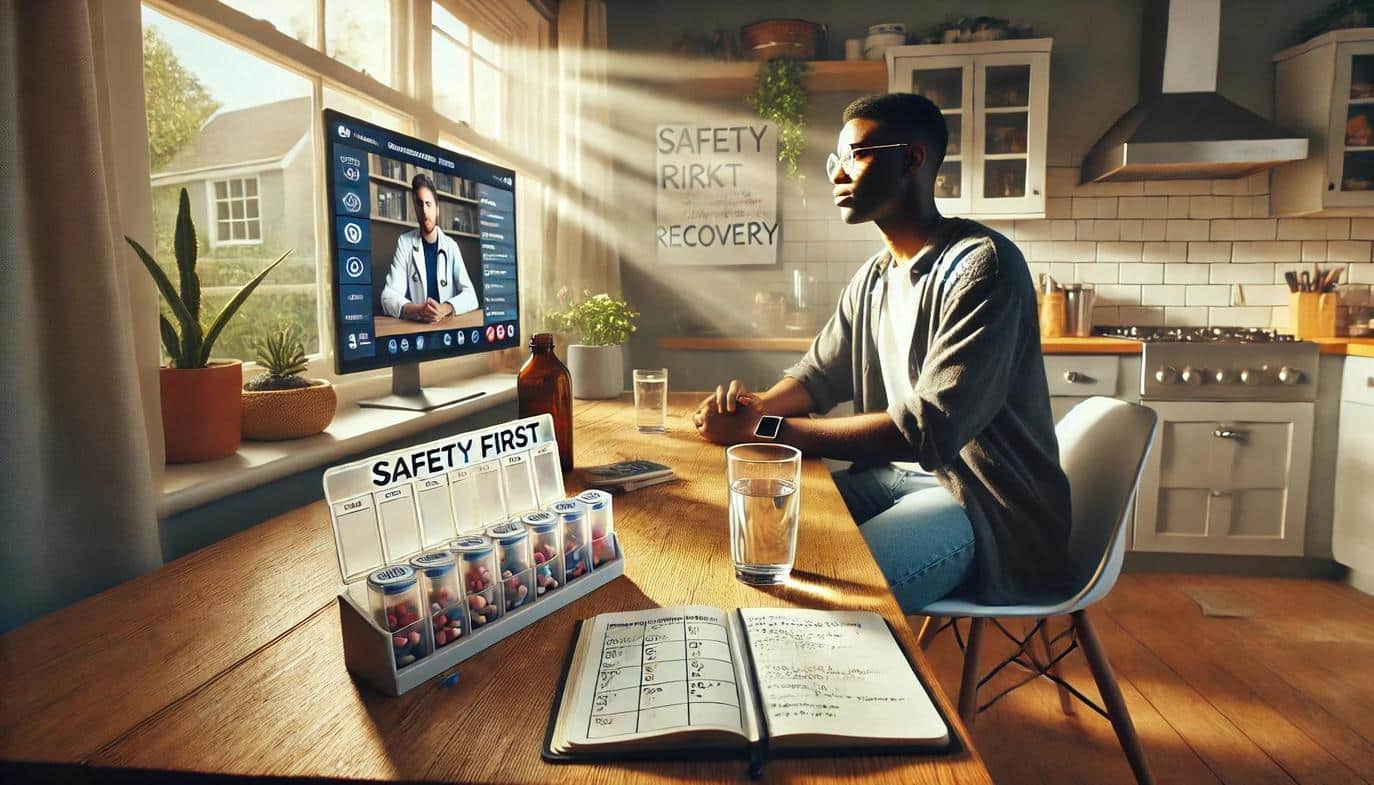
Safety First: Managing Risks During the Transition to Recovery
Strict Adherence to Dosage and Duration
Building a safety net around your recovery starts with simple, non-negotiable habits that protect you from setbacks:
- Take medication exactly as prescribed, typically every 4-6 hours.
- Swallow pills whole unless a doctor explicitly instructs otherwise, as crushing can alter release mechanisms.
- Never share your prescription, as this poses severe legal and health risks to others.
Check in with your doctor weekly at first. They tweak based on your response. Short runs, like 3-5 days, keep risks low.
Track your intake with a journal. It builds good habits and flags issues early.
Identifying and Managing Side Effects
Common gripes include constipation from slowed digestion, try stool softeners and water. Nausea hits some; eat light before dosing. Drowsiness? Skip driving till you know your reaction.
Watch for red flags: trouble breathing, extreme sleepiness, or blue lips. Rush to the ER then. These scream overdose.
- For constipation: Add fiber and walk daily.
- For nausea: Ginger tea might soothe.
- For itchiness: Antihistamines help without harm.
Report all to your doc. They adjust or switch meds.
Secure Storage and Proper Disposal
Lock opioids in a safe spot, out of kids’ and pets’ reach. Use pill organizers with codes if needed. Never leave it in purses or cars. Safe habits cut misuse by half, per health stats. Protect your home like you would cash.

Reclaiming Your Life from Dependence
Breaking the cycle of opioid reliance is one of the most challenging yet rewarding decisions a person can make. It requires shifting the focus from simply managing pain to nurturing overall well-being and finding sustainable ways to cope with life’s stresses. While the physical aspect of detox is often the first hurdle, the true victory lies in rediscovering the strength and resilience that addiction may have temporarily obscured.
Recovery is never a solitary path; it thrives on community, trust, and professional guidance. Reaching out for support is not a sign of surrender but a definitive stand for your future. With the right resources and a commitment to healing, a life free from dependence is entirely within reach.
Frequently Asked Questions About Opioid Recovery
How long does opioid withdrawal last?
Acute symptoms typically peak within the first 72 hours and subside after a week, though psychological cravings may persist longer.
Can I detox at home safely?
Medical supervision is strongly recommended because withdrawal symptoms can be severe and dangerous without professional care.
What are the signs of a relapse?
Warning signs include reconnecting with old friends, isolating from support systems, and rationalizing minor drug use.
Is medication-assisted treatment (MAT) trading one addiction for another?
No, MAT normalizes brain chemistry to block cravings and withdrawal, allowing patients to focus on therapy and rebuilding their lives.
How can family members support a loved one in recovery?
Offer nonjudgmental listening and encourage professional help while maintaining healthy boundaries to avoid enabling behaviors.


