
As modern life accelerates, the concept of a slow living home design offers a vital counterbalance. Rather than rushing through daily routines, this lifestyle encourages us to be fully present, valuing simplicity and prioritising meaningful experiences over accumulation. When translated into our physical spaces, mindful interior design becomes a philosophy that shapes not just the layout of a room, but the way we inhabit and feel within it.
Homes created with these principles transcend mere aesthetics. They are built to lower stress, inspire deep calm, and reconnect us with the natural rhythms of everyday life. By embracing slow architecture, we transform our living environments into sanctuaries that actively support our mental well-being, fostering a sense of peace that resonates long after we step through the door.

Biophilic Design and Natural Elements
Slow-living design fundamentally relies on a deep connection between indoor environments and the natural world.
Architectural Inspirations and Materials
Designers frequently draw inspiration from winery architecture to show how materials, light, and landscape can blend into a seamless, grounding experience. Similarly, an architectural studio might use organic textures, large openings, or natural ventilation to build a sense of harmony. Rather than signalling luxury, these references create a home that invites you to slow down and exhale.
The Philosophy of Intentional Selection
At its heart, slow living celebrates quality over quantity. Instead of filling rooms with furniture and décor, it emphasises choosing a few well-crafted, long-lasting pieces that hold both utility and emotional value. Minimal visual noise helps make room for clarity, both mental and physical. This approach extends to colour palettes as well: soft neutrals, earthy tones, and warm lighting naturally support a calmer atmosphere. Far from stark minimalism, this approach fosters a carefully edited home where every item has purpose.
Cultivating Daily Rituals Through Layout
Daily rituals are the heartbeat of a slow-living home, grounding us in the present moment. Small, dedicated spaces can significantly enhance this sense of well-being:
- A reading corner by the window: A soft chair and natural light invite you to pause and disconnect from screens.
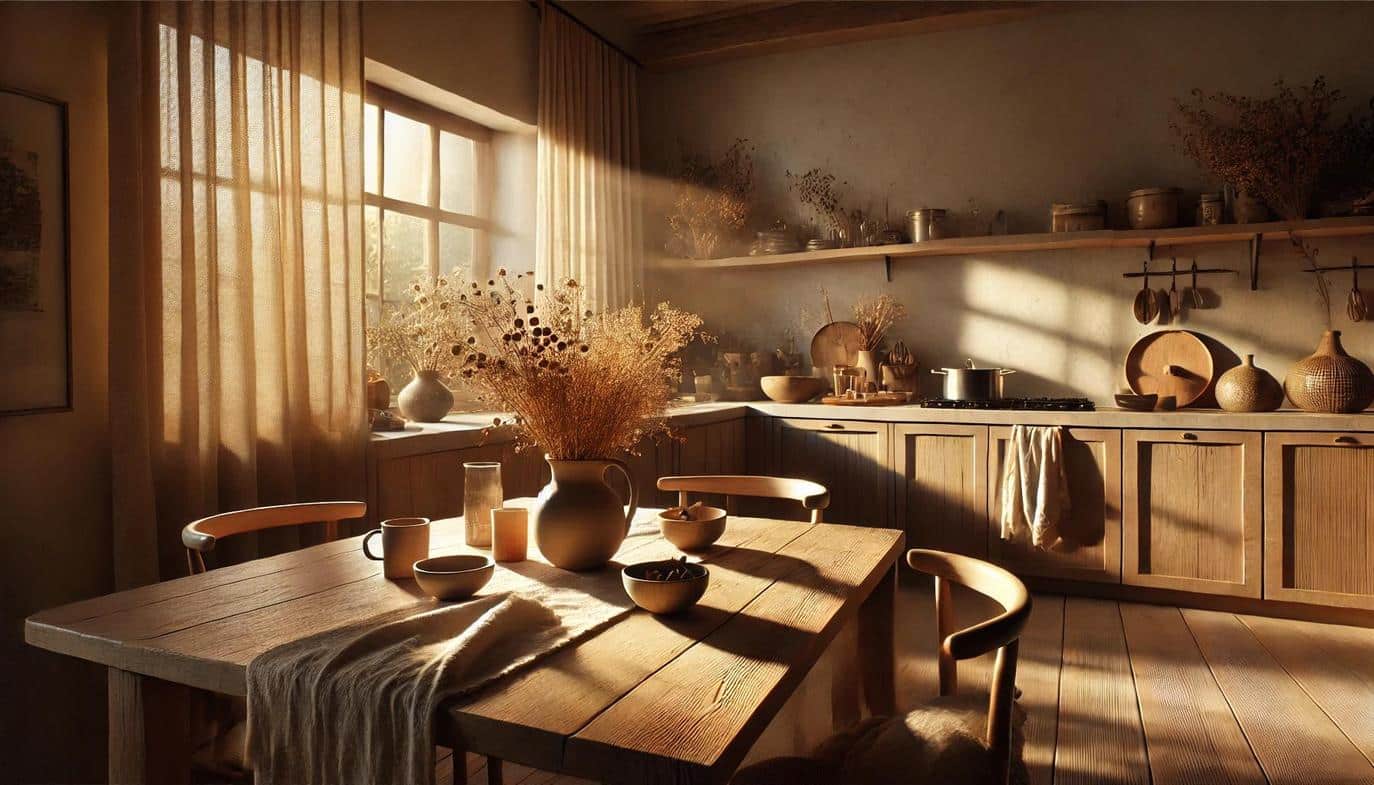
- A sunny kitchen nook: This space encourages slow mornings with coffee, rather than a rushed breakfast on the go.
- A quiet workspace: Incorporating natural textures here helps maintain focus and calm during the workday.
These intentional pockets of peace remind us that comfort is not a luxury but a necessity. Layouts often prioritise flow and comfort rather than strict formality. Open shelves replace heavy cabinetry, natural fabrics replace synthetics, and tactile details like wood grain or handwoven textiles remind us that real materials carry a grounding energy.
Living with Intention and Balance
Adopting balanced home environments is not about achieving perfection or following a rigid set of rules. Curating a space that reflects your values and supports your need for rest is an ongoing journey. By integrating natural elements, choosing quality over quantity, and designing for comfort, you create a foundation for a life that feels less chaotic and more grounded.
A home designed for slow living becomes a quiet partner in your personal growth. It invites you to pause, breathe, and appreciate the small moments that often go unnoticed. As you refine your space to align with these principles, you may find that the tranquillity you cultivate indoors begins to naturally extend into every other aspect of your day.
Frequently Asked Questions About Slow Living Design
What is the core principle of slow living home design?
The core principle is intentionality. It focuses on creating spaces that encourage mindfulness, simplicity, and a deep connection to nature, rather than following fleeting trends.
How does slow architecture differ from minimalism?
While both value simplicity, slow architecture emphasises warmth, texture, and emotional connection, whereas minimalism often prioritises clean lines and the absence of clutter.
Can I apply mindful interior design in a small apartment?
Absolutely. Mindful interior design is about the quality of your choices, not the size of your space. Small changes like natural lighting and decluttering can have a huge impact.
What are the best colours for a slow-living aesthetic?
Soft neutrals, warm earth tones, and shades found in nature—such as sage green, terracotta, and stone grey—are ideal for creating a calming atmosphere.
Why is texture important in balanced home environments?
Texture adds depth and sensory engagement without adding visual clutter. Materials like wood, linen, and wool ground us and make a space feel welcoming and lived-in.


