
Let’s face it, most of us could be doing more to help the environment and fight climate change. One of the most satisfying and enjoyable ways to do this is to create an eco-friendly garden in your outdoor space. These plants will do more than help the environment but also create a pleasant, colourful space where you can relax, knowing you’re doing your bit.
Are Garden Plants Good for the Environment?
Yes! Garden plants use oxygenic photosynthesis to store carbon dioxide emissions and release oxygen into the atmosphere, reducing air pollution in the process. They provide food and shelter for local wildlife, improve soil quality, and help reduce the risk of flooding. On top of all that, gardening can be a therapeutic activity, and being around plants and flowers helps improve our mental well-being.
Growing Plants that Help the Environment
While all plants offer environmental benefits due to their ability to take in carbon dioxide and release oxygen, there are some plants that are known to be particularly effective at improving ecosystems and mitigating climate change. Here are a few examples:
- Trees are crucial for mitigating climate change because they are among the most effective tools for carbon sequestration. Trees absorb carbon dioxide from the atmosphere and store it in their biomass, thereby reducing the amount of carbon dioxide in the atmosphere. Additionally, trees help to mitigate the urban heat island effect, reduce air pollution, and provide habitat for a wide range of wildlife.
- Wetland plants, such as cattails, ferns, and willows, are important for improving water quality and buffering the impact of storms and flooding. Wetlands serve as natural water filtration systems, removing excess nutrients and pollutants from water before they enter streams and rivers. Additionally, the root systems of wetland plants help to stabilize soil, reducing erosion and sedimentation.
- Native wildflowers, such as milkweed, aster, and goldenrod, provide important habitats for pollinators like bees and butterflies. Planting native wildflowers can also help to improve soil health by increasing biodiversity and providing important nutrients for the soil.
- Cover crops, such as rye and clover, are planted to protect soil between crop cycles. Cover crops can help to improve soil health by reducing erosion, increasing soil fertility, and preventing the buildup of weeds and pests. Additionally, cover crops can help to sequester carbon in the soil, reducing the amount of carbon dioxide in the atmosphere.
Plant, Plant, and Plant Some More
The more plants you have in the garden, the more beneficial they’ll be. Plant a mixture of trees, shrubs, flowers, and grasses to add height, texture, and colour all year round. If that seems a little daunting, here are some ideas to get you off to a great start.
Drought Tolerant Plants
Drought-tolerant plants survive spells of dry weather and don’t need watering very often. This allows gardeners to conserve water usage and save money in the process.
Snake Plant
With its sword-like leaves (the reason it is often called mother-in-law’s tongue!) and upright growing habit, buying snake plants for your garden is ideal for adding structure and height to borders and flower beds. In addition, it is renowned for being an excellent air purifier, storing carbon dioxide safely away, and prefers a sheltered position in full sun or partial shade.
Snake plants are succulents and, as such, can happily go weeks between waterings. Natural rainfall should provide this low-maintenance plant with plenty of moisture, so it only needs to be watered if the soil feels completely dry following an extended dry spell.
One thing to bear in mind is that snake plants don’t like the cold. So if you live in a cooler climate with winter temperatures below 50°F/10°C, moving your snake plants indoors during the cooler months is best.

Coneflower
Not only does coneflower thrive during dry spells, it blooms for months, and it is a magnet for bees, butterflies, and other pollinators. There are many different coneflower varieties in a range of colours, and they’ll all grow in almost any condition. However, they do prefer a sunny spot in well-draining soil.
The flowers bloom from summer into autumn and are ideal for mixed borders, beds, and even rock gardens.
Fruits and Vegetables
There’s no denying that growing your own food is good for the environment. It eliminates travel miles from the field to your plate, reducing the carbon footprint. Growing your own fruits and vegetables also allows you to control the use of pesticides and other potentially harmful chemicals.
Tomatoes
Tomatoes are so versatile that it’s almost impossible to have too many. Add them to salads, wraps, and sandwiches or use them as a base ingredient for sauces and pizza toppings. Tomatoes are easy to grow, and some varieties, particularly cherry tomatoes, produce fruit incredibly quickly.
One of the many benefits of growing tomatoes is that they grow vertically, adding height interest and taking up very little ground space in the garden. They are rich in vitamin C, fibre, and potassium, making them a nutritious and tasty choice of produce for your kitchen garden.
Apples
Apples are one of the most sustainable ways to grow your own fruit in the garden. As well as being crisp and juicy eaten fresh, they can be cooked and used in sauces and desserts.
Apple trees are long-lived and require very little maintenance to flourish. They produce reliable yields of fruit that are easy to store and can be kept for months before eating. Apple trees are also a valuable food source and make an excellent habitat for insects, birds, and small mammals. They are easy to grow, but local varieties are most likely to survive and thrive well in your area.

Spinach
Spinach is a nutritious leafy green that is easy to grow in the garden. Its compact habit makes it perfect for smaller spaces and containers. This tasty vegetable is a fast-grower offering repeated harvests. Spinach can be eaten in salads or added to soups and stews for an extra burst of goodness and is a great source of vitamins, minerals, and antioxidants.
Spinach plants thrive in partial shade in soil that is kept moist but well drained. However, too hot and dry conditions can result in premature flowering (or bolting), after which the leaves aren’t so tasty.
Plants for Pollinators
Pollinators are essential for reproducing plants and flowers in the environment around us. Without pollinators, we’d be in trouble as we couldn’t grow anything from fresh fruit and vegetables to the food our livestock eat and even coffee plants.
Pollinators carry pollen between plants as they visit the garden, helping the environment along the way. However, these important little creatures are in decline, which means planting pollinator-friendly plants is more important than ever.
Butterfly Bush
As the name would suggest, the butterfly bush, or buddleia, is a magnet for butterflies who cannot resist the pleasantly scented flowers. Buddleja is a fast-growing garden shrub that is easy to care for. It prefers a spot in the sun and likes well-drained soil for the best show of striking white, blue, pink, or purple flowers.
Butterfly bushes bloom from July, ensuring a reliable nectar source in the later summer months. In addition, deadheading spent flowers encourages a second bloom and helps prevent the shrub from becoming invasive.
Euphorbia characias
Also known as Mediterranean spurge, Euphorbia is the ideal plant to attract pollinators earlier in the season. This hardy perennial plant flowers from early spring with large round clusters of small bright yellow blooms appearing on tall stems above the foliage.
Mediterranean spurge likes to be planted in full sun and does well in most well-draining soil types. It is an evergreen shrub with dense blue-green leaves that create interest throughout the year. In addition, their pollen-rich flowers provide shade and nectar for beneficial insects, helping them thrive to go about pollinating our plants.

Holly Hock
With their large, open blooms and long flowering season, hollyhocks are incredibly bee-friendly. They grow up to 2m tall, with the flowers appearing from long stems, which might require staking. Hollyhocks are ideal for creating height interest towards the back of a border. They are biennial or short-lived perennial plants that flower in their second year.
Hollyhocks are easy plants to look after, preferring an environment of moist but well-drained soil and a south or west-facing spot where they can soak up the sun. They flower from June to September, adding colour and providing valuable nectar throughout the whole of the growing season.
Lawns
A grassy lawn can make a garden pop, providing a central area with a green surface throughout the year. A well-manicured lawn is a pleasant place to sit and enjoy the garden and provides an area for children and pets to relax and play. Planting grass is also great for the environment, producing oxygen, improving drainage, and reducing flood risks significantly.
However, lawns do require a level of care and attention to keep them looking their best. While it may be tempting to install artificial grass, natural grass is much better for the environment. Unlike real grass, fake lawns don’t absorb any carbon dioxide and can ruin the quality of the soil underneath.
Artificial grass doesn’t need to be mowed, saving time, money, and energy. But a natural lawn has so many benefits to make the maintenance worthwhile. And if you don’t want to spend time mowing the lawn, consider sowing some wildflower seeds to create an attractive wildflower meadow that only needs to be mowed once per year.
Research everything from the benefits of Bermuda grass to the best way to plant wildflower seeds in your region. The results will be worth it.
Trees
We’ve saved the biggest and best things you can plant to help the environment until last. Planting trees has lots of great benefits for the local ecosystem. They reduce pollution and absorb carbon dioxide while releasing fresh oxygen into the atmosphere. Trees also help improve soil quality and are an essential weapon against flooding.
Not only that, but they also provide a habitat for local wildlife and make a striking focal point in any garden, no matter how big or small. Planting a tree in the garden is one of the quickest ways to help improve the environment around you.
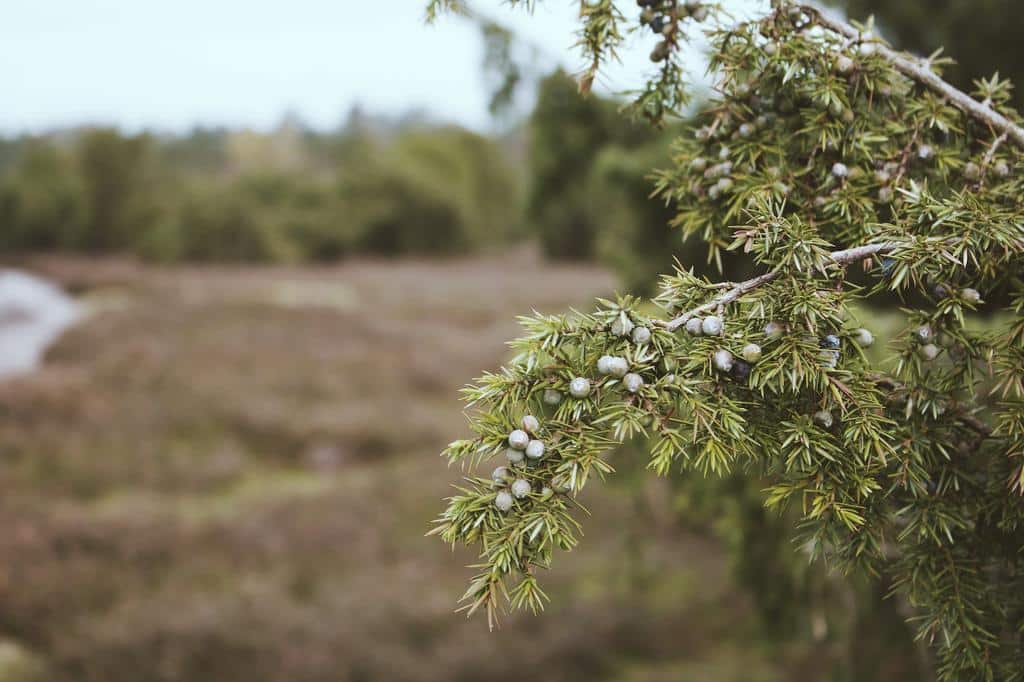
Juniper
Perfect for smaller gardens, a juniper is a small tree with a significant environmental impact. It is a hardy evergreen that locks in carbon all year round and is one of the best trees for providing for and protecting wildlife. Juniper trees can also be grown as shrubs and grow best in a sunny spot in well-drained soil. However, they are slow-growing, taking on around 10-15cm per year, and are extremely low maintenance.
Juniper trees grow well in most soil types and help reduce soil erosion. In addition, they are salt-tolerant, making them suitable for coastal areas where other trees may struggle.
Beech
Like other broadleaf tree varieties, beech has a high capacity for carbon storage, making it an excellent choice for the environment. In fact, one mature beech tree can release enough oxygen every year for up to 10 people.
While beech makes a majestic tree for a large garden, don’t worry if you don’t have much space. Beech is also often used as hedging and boasts the same environmental credentials as trees.
One of the most exciting things about beech is that it is deciduous yet holds onto its dead leaves throughout the winter months. This means it is effective for privacy and noise screening year-round. But then, the brown leaves drop, and new fresh green foliage grows in spring.
Use Native Plants
Choosing plants native to your area is essential for increasing biodiversity and ensuring your new plants will thrive. Unfortunately, non-native plants are often imported, increasing their carbon footprint and increasing the likelihood they won’t be well suited to local weather conditions.
Native plants are an excellent resource for bees, butterflies, and other insects pollinating plants as they flutter and buzz between flowers. Other animals, such as birds, hedgehogs, and squirrels, also benefit from native plants, finding shelter and food among the leaves and berries.
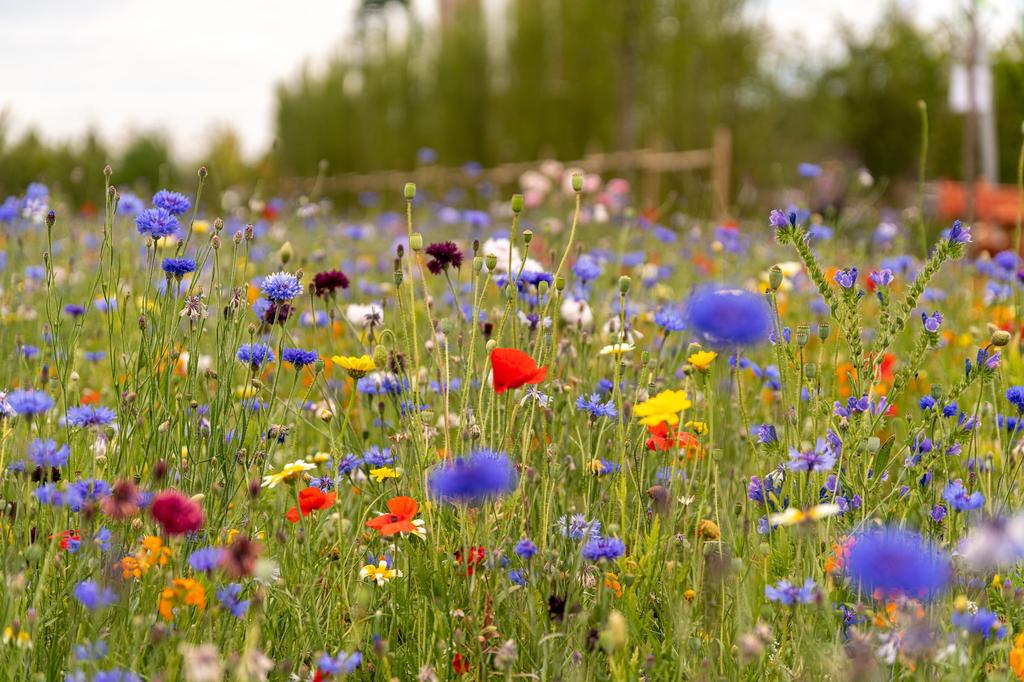
The key to eco-friendly gardening is to choose a wide variety of plants, trees, and shrubs that agree with your environment. Doing this is not only a great way of creating year-round colour and interest but also helps the environment by providing plants for pollinators and other wildlife, absorbing pollution, reducing flood risk, and releasing fresh oxygen into the air around us.
We may not be able to completely combat climate change on our own, but we can certainly make the most of our gardens to improve our little corner of the world.


