
Entering the world of medical vigilance during a sudden baby illness feels like a high-stakes initiation into proactive parenting. Rising temperatures or sudden shifts in temperament quickly disrupt the confidence of standard parenting routines. These moments demand a rapid transition into a more vigilant, medically focused mindset. Strategic preparation for pediatric sick visits empowers you to advocate for your infant’s needs with clarity and purpose.
Active collaboration with healthcare providers hinges on your ability to translate vague worries into precise observations. Instead of letting anxiety dominate the room, focus on gathering the information needed to support recovery at home. Learning exactly what to ask the doctor when a baby is sick helps bridge the gap between clinical advice and the hands-on care your infant requires.
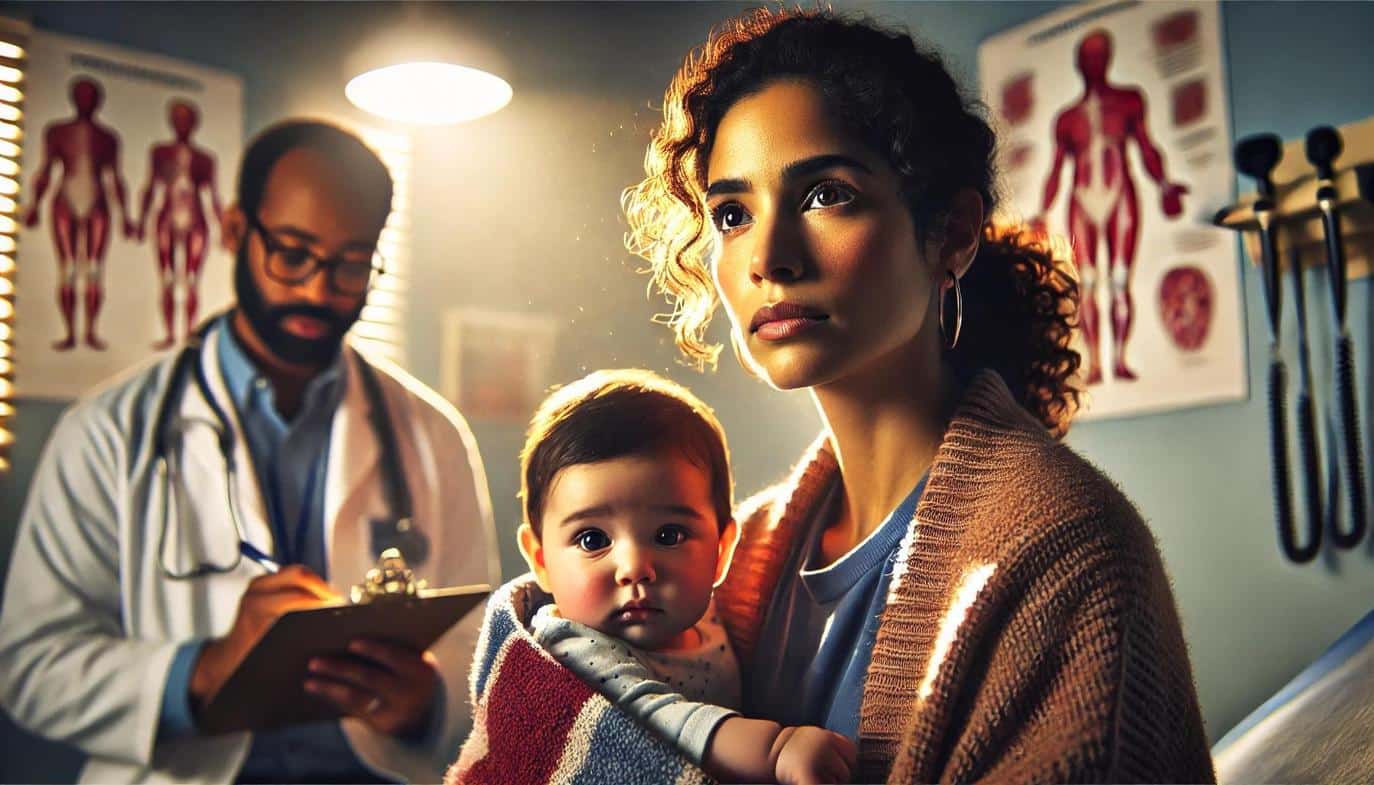
Is this Normal for My Baby’s Age?
Unusual symptoms in an infant understandably trigger parental anxiety. Some behaviors represent standard developmental milestones rather than medical emergencies. Verifying the prevalence of certain symptoms provides essential context for your infant’s current state. Medical professionals can quickly distinguish between standard development and genuine health concerns.
- Determine if the condition is common among newborns.
- Evaluate whether symptoms represent a typical developmental phase.
- Identify specific behaviors that require heightened monitoring.
- Gain psychological peace of mind through expert verification.
Clinical clarity empowers you to decide on the most appropriate response for each unique situation. Defining this clinical baseline allows you to respond with measured confidence as symptoms evolve.
Are there Any Risks with the Treatment Plan?
Even common treatments can have side effects, so it’s important to know what to expect. Ask about the potential risks of medicines. Knowing these details allows you to monitor for adverse reactions and intervene if your baby exhibits further distress.
Discussing potential side effects, such as mild fevers or gastrointestinal changes, prepares you for the realities of the recovery phase. Work with your pediatrician to define the exact clinical indicators that warrant immediate intervention.
Acquiring this information provides the necessary tools for effective home monitoring. Meticulous observation ensures that your infant remains safe while their body responds to the prescribed treatment.

What Could Have Caused this Illness?
Parents often reflect on their home environment to see if specific routines influenced the current diagnosis. Reflecting on daily habits with a pediatrician often reveals subtle factors that influence a child’s health. Systematic reviews of current practices can highlight areas for immediate improvement.
- Assess feeding frequency and nutritional intake.
- Evaluate sleep environments and duration patterns.
- Review exposure to external environmental stressors.
- Identify hygiene practices that could be optimized.
Minor adjustments to these foundational routines often serve as powerful preventative measures. Partnering with your medical team builds a resilient, health-focused environment that safeguards your infant’s future.
Sometimes, the cause isn’t anything that you did. Birth injuries and complications can come from medical negligence. For example, if your baby shows signs of a severe infection caused by delayed treatment at the hospital, you might consider filing an infant meningitis lawsuit to protect your child’s rights. This knowledge helps you advocate effectively if necessary.
What Warning Signs Should We Watch for at Home?
Parental vigilance remains essential even after the clinical visit concludes. You need to watch your baby for signs that need immediate attention. Vigilant observations enable rapid intervention and help prevent unnecessary medical complications.
Request a detailed outline of critical symptoms, focusing on changes in feeding behavior or unusual levels of lethargy. Documenting these patterns in a dedicated journal provides an objective record of your infant’s status. Meticulous tracking allows you to detect subtle physiological shifts before they escalate into complex medical challenges.
Can We Continue Our Usual Care Routines?
Routine is comforting for babies. However, their illness may require some adjustments. Ask the doctor if it’s okay to maintain your routines after going home. Identifying which daily activities require temporary modification ensures a seamless transition back to health. Physicians can offer specific guidance on maintaining sleep patterns or consistent feeding schedules.
Confirming the safety of home environments safeguards your infant’s well-being during the critical phases of recovery. Validating these environmental factors protects the child’s well-being throughout every stage of the healing process.

Supporting Your Infant Through Recovery and Healing
Providing effective care at home requires a blend of intuition and medically informed strategy. Once the initial shock of a sudden baby illness passes, your primary focus shifts to creating a stable environment where healing can occur. Meticulous logs of symptoms and treatment responses enable you to monitor recovery with clinical accuracy. Pairing this data with parental warmth creates a comprehensive environment for healing.
Parental resilience strengthens during these challenges, particularly as you master the nuances of pediatric care coordination. While the road to recovery sometimes feels long, your commitment to asking the right questions and observing subtle changes builds a safer future for your child. Trusting your instincts while relying on professional guidance creates a balanced approach to caring for a sick infant.
Common Inquiries Regarding Infant Health and Medical Care
Signs my baby needs a doctor immediately?
Seek emergency care if your infant exhibits persistent difficulty breathing, a blue tint to the skin, or extreme lethargy that prevents waking for feedings.
Is my baby’s fever normal during a viral infection?
Low-grade fevers often represent a healthy immune response, but any fever in a newborn under three months requires an immediate medical evaluation.
What should I ask my pediatrician during a sick visit?
Inquire about specific medication dosages, potential side effects of the treatment plan, and clear indicators that warrant a follow-up appointment.
How can I monitor newborn health concerns effectively at home?
Track feeding frequency, diaper output, and sleep patterns in a journal to provide doctors with a clear data set during your next visit.
When can we return to our regular social activities?
Most physicians recommend waiting until your baby has been fever-free without medication for at least twenty-four hours before resuming public outings.


