
When a storm knocks out power for hours or days, the difference between a home with a backup generator and one without becomes immediately clear. Generators have gone from a luxury item to a practical necessity for millions of homeowners. While many homeowners are also exploring sustainable energy solutions like solar, a traditional generator remains the gold standard for immediate backup.
But walk into any hardware store or browse online, and you’ll quickly realize the generator market is crowded with options. The first and most important decision you’ll face is this: should you go with a portable generator or a standby generator?
Both have a legitimate place in the market. Both can keep your household running during an outage. But they serve different needs, come with different costs, and require different levels of commitment. Here’s a thorough comparison to help you figure out which one belongs at your home.
What Is a Portable Generator?
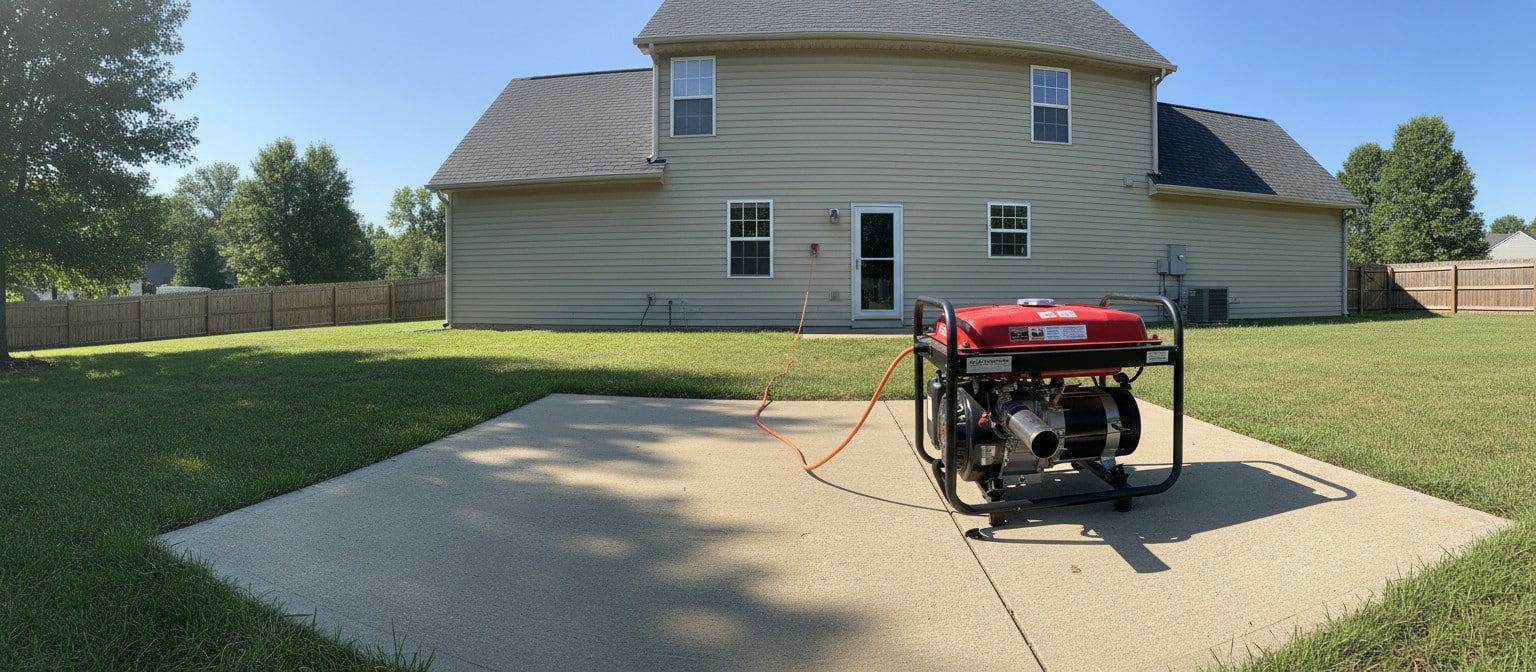
A portable generator is a fuel-powered unit typically running on gasoline, propane, or dual fuel that you store away and deploy manually when needed. You roll it out, add fuel, pull the cord or push a button to start it, and run extension cords to your appliances (or connect it through a transfer switch).
Portable generators typically range from 2,500 watts to around 12,000 watts. Lower-end models can power a few lights and charge devices. Mid-range and larger units can handle a refrigerator, a window air conditioner, a sump pump, and other essentials simultaneously. According to the U.S. Consumer Product Safety Commission, users must prioritize safety features like automatic CO shut-off when selecting these units.
They’re the go-to choice for homeowners who want a budget-friendly safety net without a major installation investment.
What Is a Standby Generator?
A standby generator is a permanently installed unit mounted outside your home on a concrete pad. It’s hardwired directly into your home’s electrical system through an automatic transfer switch and connected to a natural gas or propane line.
When it detects that utility power has been lost — usually within seconds — it starts up automatically and powers your home without any action on your part.
Standby generators range from around 8 kW to 22 kW for residential use, with some larger models going well beyond that. Higher-capacity units can power an entire home, including central air conditioning, water heaters, and all major appliances.
Head-to-Head Comparison
Cost
This is often the deciding factor. A quality portable generator can cost anywhere from $400 to $2,700 depending on wattage and features. Installation is minimal — you may spend a few hundred dollars on a transfer switch, but many homeowners simply use extension cords.
Standby generators cost significantly more. The unit itself typically runs $3,500 to $6,000 or more, and professional installation — including the transfer switch, electrical panel work, and gas line connection — can add another $3,000 to $10,000. Total all-in costs of $7,000 to $15,000 are not uncommon.
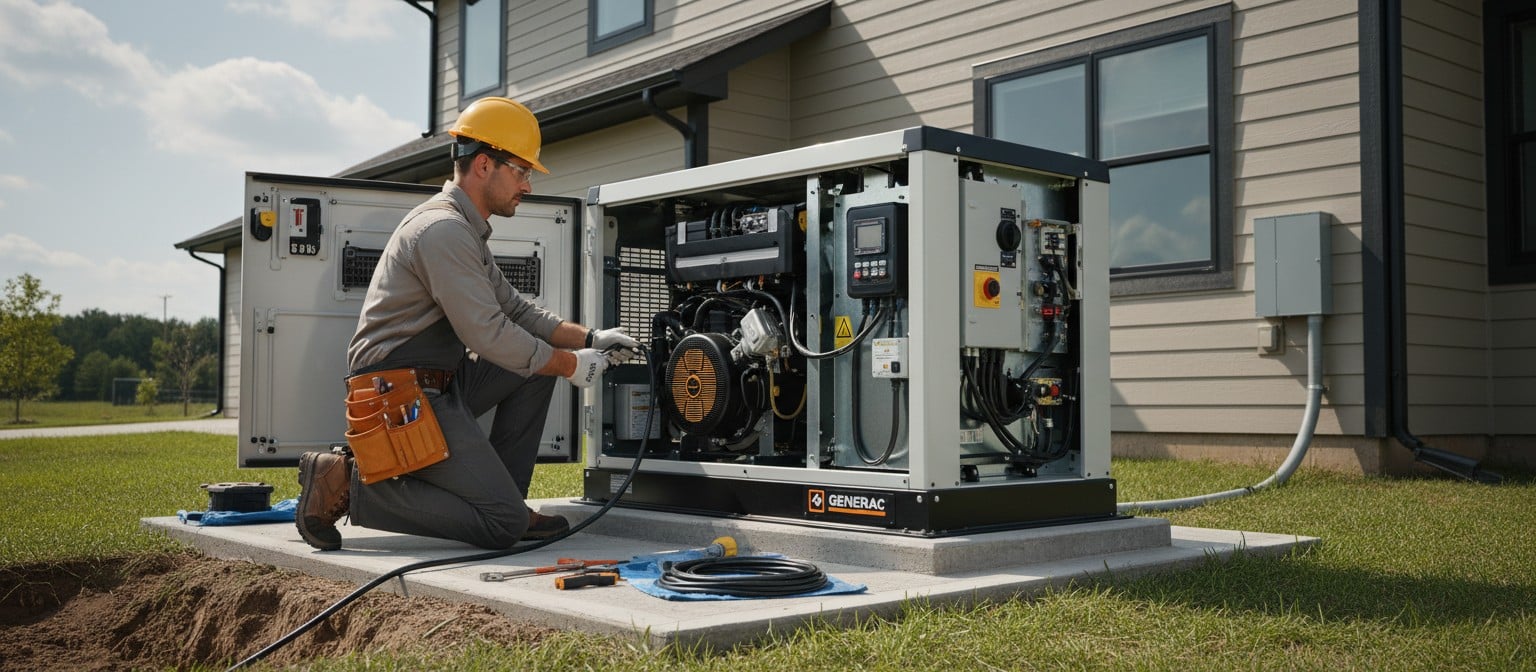
That said, standby generators add measurable resale value to a home—often increasing it by 3% to 5%—and eliminate the ongoing costs and stress that come with managing a portable unit.
Convenience and Automation
Here’s where standby generators pull decisively ahead. With a standby unit, you do nothing. The generator monitors utility power around the clock, and the moment it detects an outage, it starts and begins supplying power — often before you’ve even noticed the lights went out. When utility power is restored, it shuts off and stands down automatically.
Portable generators require you to be home, physically present, and ready to act. You need to have fuel on hand (no small task during a major storm when gas stations may be out of supply), pull the unit out of storage, start it, and manage it throughout the outage. If you’re away from home when the power goes out, your portable generator is useless.
Power Output
Portable generators max out at around 12,000 watts for residential models. That’s enough to run several essential appliances, but likely not your central HVAC system, electric water heater, and full lighting simultaneously.
Standby generators, especially larger models, can handle the entire load of a typical home. If keeping your home fully functional — not just minimally operational — during an outage is the goal, a standby system is the right answer.
Homeowners who want complete coverage should look into whole home generators, which are designed to power every circuit in the house without compromise or manual management.
Fuel and Runtime
Portable generators run on gasoline or propane stored on your property. A typical unit burns through a tank in 8 to 12 hours under moderate load, which means extended outages require either stockpiling fuel or making supply runs — both of which can be difficult during large-scale emergencies.
Standby generators connect directly to your home’s natural gas line, which means fuel supply is essentially unlimited for the duration of any outage. Propane-fed standby units require a tank but can be sized to provide weeks of runtime. Either way, you’re not scrambling for fuel at 2 a.m. in the middle of a storm.
Safety
Portable generators produce carbon monoxide — a colorless, odorless gas that is lethal in enclosed spaces. Every year, people are killed by running portable generators too close to their homes, in garages, or under awnings. Safe generator use requires keeping the unit at least 20 feet away from any door, window, or vent, which can make running extension cords a logistical challenge.
Standby generators are installed outdoors in a fixed location, away from the home, and connected through proper wiring. There are no extension cords, no exhaust risks near living spaces, and no safety shortcuts taken under the pressure of an active storm.
Maintenance
Both types require maintenance, but portable generators demand more active attention. They need fresh fuel (gasoline degrades over time), regular oil changes, and test runs to ensure they start when needed. A portable generator left in storage for a year may not start when you need it most.
Standby generators perform automatic weekly self-tests, alerting you if there’s an issue before an outage occurs. Annual professional servicing is typically all they need.
So Which One Is Right for You?
The answer depends on your priorities, budget, and how seriously you take backup power.
Choose a portable generator if:
- Budget: You’re working with a limited budget
- Frequency: Outages in your area are infrequent and short
- Essentials: You only need to power a handful of essential appliances
- Manual: You don’t mind the manual setup and fuel management
Choose a standby generator if:
- Automation: You want completely automatic, hands-free backup power
- Critical Systems: You have medical equipment, a sump pump, or other critical systems that can’t fail
- Travel: You travel frequently or may not be home during an outage
- Whole Home: You want to power your entire home, not just select appliances
- Investment: You’re looking for a long-term investment that adds value to your property
For most homeowners who are serious about protecting their homes and families, the standby generator wins on nearly every practical measure. The higher upfront cost is offset by convenience, safety, reliability, and the peace of mind that comes from knowing your home is protected — automatically — no matter when the lights go out.
A backup generator isn’t just a purchase. It’s a decision about how prepared you want to be. Make it count.

