
The right storage setup can help contractors secure project assets, reduce weather exposure, and avoid costly interruptions.
Construction projects depend on tools, equipment, and materials being available when crews need them. When these assets are stolen, damaged, misplaced, or difficult to access, the consequences can extend beyond replacement expenses.
Missing equipment can interrupt scheduled work, delay subcontractors, and force project managers to reorganize labour. Materials exposed to rain, dust, or changing temperatures may also become unusable before installation.
For construction company owners and general contractors, secure on-site storage is therefore an operational consideration rather than a basic convenience. A well-planned storage system can protect project assets, improve organization, and help teams maintain control across active jobsites.
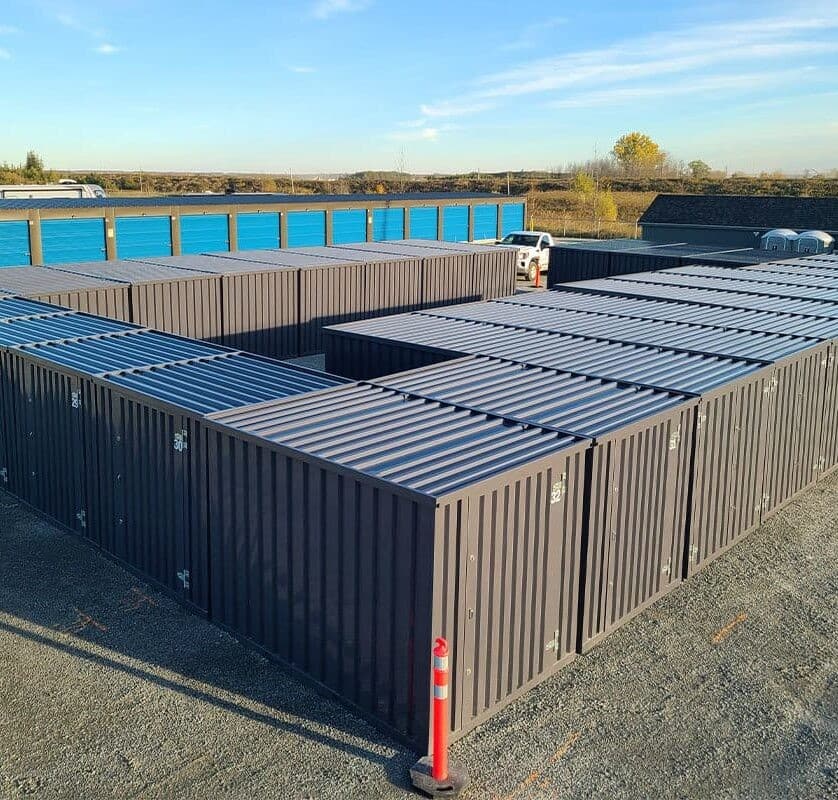
Understand the Cost of Inadequate Storage
The direct cost of replacing stolen or damaged tools is often the most visible concern. However, inadequate storage can create several additional expenses.
Crews may lose productive time searching for equipment or waiting for replacement items. Project managers may need to adjust schedules, arrange emergency rentals, or delay work until materials are available. Administrative staff may also spend time preparing reports, communicating with insurers, and updating procurement records.
Common consequences include:
- Tool and equipment replacement costs
- Emergency rental and delivery charges
- Lost labour hours
- Material waste
- Disrupted subcontractor schedules
- Missed project milestones
- Additional administrative work
A storage decision should therefore be evaluated according to the broader impact on the project, not simply the cost of the unit.
Make Storage Part of the Security Plan
A container cannot replace an overall site-security strategy, but it can provide a controlled location for valuable equipment and supplies. According to the National Equipment Register, fewer than 25% of stolen construction machines are ever recovered, which highlights the importance of secure on-site storage.
Well-planned storage containers can help contractors keep tools enclosed, limit unauthorized access, and reduce the amount of equipment left in open staging areas.
Several factors influence how effectively a container supports site security:
- The quality and condition of the unit
- Locking hardware
- Access-control procedures
- Exterior lighting
- Container placement
- Staff responsibility
- Inventory tracking
Access should be limited to approved personnel, and responsibility for securing the unit should be clearly assigned. Teams should also establish procedures for checking doors and locks at the end of each shift.
Placement matters as well. The container should be positioned where activity can be observed without interfering with deliveries, equipment movement, emergency access, or construction work.
Reduce Exposure to Weather and Moisture
Theft is not the only threat to project assets. Tools and materials stored under temporary coverings may remain vulnerable to rain, snow, dust, wind, and temperature changes.
An enclosed steel container can create a physical barrier against external conditions. However, contractors should still consider the storage requirements of the items placed inside.
Moisture can enter when damp equipment or materials are stored without adequate ventilation. Condensation may also develop when indoor and outdoor temperatures change.
Project teams should review:
- Ventilation requirements
- Door and seal condition
- Ground drainage
- Interior moisture levels
- Raised shelving or platforms
- Separation of wet and dry materials
- Manufacturer storage instructions
The placement area should be stable and level, with sufficient drainage to prevent water from collecting around the unit. Moisture-sensitive materials may require additional protection, monitoring, or specialized storage procedures.
Address Restricted Delivery and Placement Conditions
Many active jobsites have limited space for storage-container delivery. Fencing, completed structures, heavy equipment, temporary offices, and building materials can restrict truck access and unloading areas.
Before selecting a unit, project leaders should assess:
- Available site footprint
- Delivery-vehicle access
- Turning and unloading space
- Overhead clearance
- Ground stability
- Door-opening clearance
- Distance from active work areas
- Future construction phases
These conditions may influence the type of container that can be delivered and where it can be placed.
Flexible or modular storage options may be useful where conventional units are difficult to position. Evaluating these restrictions before ordering can reduce delivery complications, relocation costs, and project disruption.
Improve Organization and Crew Productivity
Secure storage is most useful when workers can find and retrieve equipment efficiently.
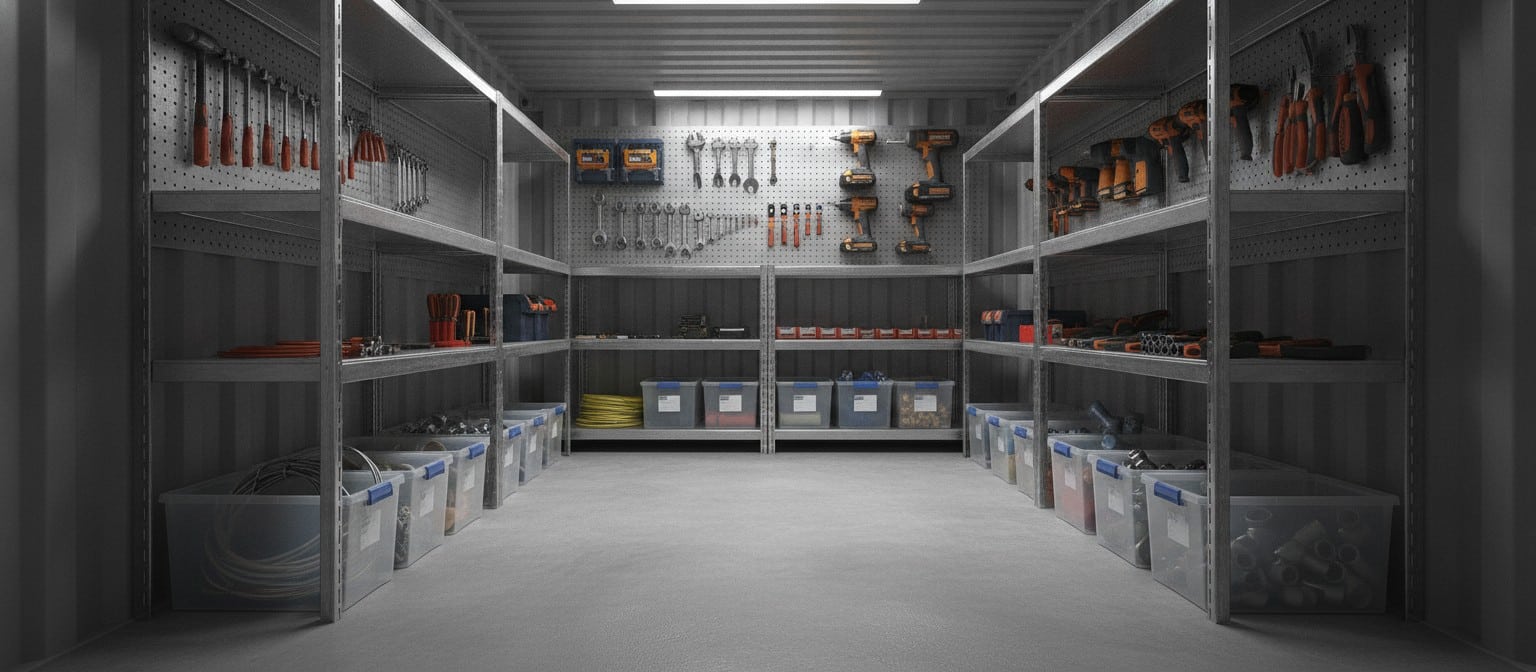
An empty container without an internal plan can quickly become crowded. Tools may be stacked behind materials, walkways may become blocked, and frequently used items may be difficult to access.
Contractors can improve usability by establishing designated zones for different tools, trades, or project phases. Shelving, racks, bins, labels, and inventory lists can help teams return equipment to consistent locations.
The internal layout should account for:
- How frequently each item is used
- Equipment weight
- Safe lifting requirements
- Clear walking space
- Appropriate stacking limits
- The sequence in which materials are needed
- The number of people using the unit
An organized setup can reduce time spent searching for tools, moving materials repeatedly, and checking several locations across the site.
Evaluate Long-Term Value
The lowest purchase or rental price may not provide the lowest overall cost.
Decision-makers should consider the expected project duration, storage capacity, delivery expenses, assembly requirements, maintenance, accessories, relocation, and potential reuse.
Renting may be appropriate for short-term or temporary requirements. Purchasing may offer greater value when a contractor expects to move the container between several projects or retain it as a company asset.
A total-cost review should include:
- Purchase or rental price
- Freight and delivery
- Pickup or relocation charges
- Required modifications
- Maintenance responsibilities
- Storage between projects
- Expected service life
- Future project requirements
This approach helps contractors choose storage that supports both immediate site needs and longer-term operating plans.
Plan Storage Before Problems Develop
Storage works most effectively when it is included in the project plan before major tools and materials arrive.
Project leaders should establish capacity requirements, placement, delivery access, security procedures, and internal organization during the early planning stages. These expectations can then be communicated during site orientation and reinforced through daily closing procedures.
No single product can remove every risk associated with an active construction site. However, a coordinated storage strategy can reduce avoidable exposure, protect valuable assets, and help crews maintain productive workflows. For contractors managing several active projects, temporary storage solutions can offer the flexibility to keep operations running without interruption.
Protect More of Your Project Investment
FlatBox Solutions provides flexible storage options for contractors seeking to secure tools, organize materials, and address limited-access jobsite conditions.
Explore storage solutions designed to support safer, more organized, and more efficient construction operations.


