
From the smartphones in our pockets to the power tools on a job site, dependable, portable energy is essential to modern life. As the demand for environmentally responsible power solutions grows, the lithium-ion battery has emerged as a cornerstone technology. Its high energy density, long lifespan, and superior efficiency present a compelling case for sustainability.
This guide explores the key attributes that make these advanced batteries a smarter, more responsible choice, moving us away from a disposable culture and toward a reusable energy future.

The Superior Technology of Lithium-Ion Batteries
The core advantage of a lithium-ion battery lies in its sophisticated and efficient internal chemistry. This isn’t just about being a rechargeable power source; it’s a fundamental upgrade over older technologies.
Beyond Just Being Rechargeable
Think back to the heavy, leaky lead-acid batteries in cars or the old Nickel-Cadmium (Ni-Cd) types that suffered from a “memory effect,” losing capacity if you didn’t fully drain them. A modern Li-ion battery operates on a different principle, shuttling tiny lithium ions between electrodes with remarkable efficiency. This process allows them to be lighter, hold a charge longer, and endure many more charge cycles without degrading. This results in superior performance and a significantly longer operational life.
Understanding Key Terms: Volts, Amps, and Watts
To grasp the benefits, picture electricity like water in a pipe:
- Voltage (Volts): The water pressure.
- Amperage (Amps): The flow rate.
- Wattage (Watts): The total power delivered (a combination of pressure and flow).
A lithium-ion battery excels at providing consistent voltage even as it drains, meaning your device gets steady power from start to finish. This reliable performance is a key part of its design.
The Long-Term Impact of a Rechargeable Lithium-Ion Battery
The true environmental benefit of a lithium-ion battery becomes clear when you look past a single charge and consider its entire operational life. Its design directly combats the environmental waste associated with single-use disposable cells.
The Power of High Charge Cycles
A “charge cycle” is one full discharge and recharge. While a disposable battery offers just one use, a quality Li-ion battery can provide 500, 1,000, or even more cycles. Replacing 1,000 single-use AA batteries with just one rechargeable one, the reduction in physical waste, manufacturing energy, and transportation emissions is immense. This incredible reusability is the foundation of its sustainable credentials.
Less Energy Waste During Charging and Use
These batteries have a high charge/discharge efficiency, often over 90%. This means that for every 100 units of electricity you put in from your wall outlet, you get over 90 units back out to power your device. Older rechargeable technologies could waste 20-30% of that energy as heat. Using a lithium-ion battery saves electricity and reduces your overall carbon footprint with every single charge.
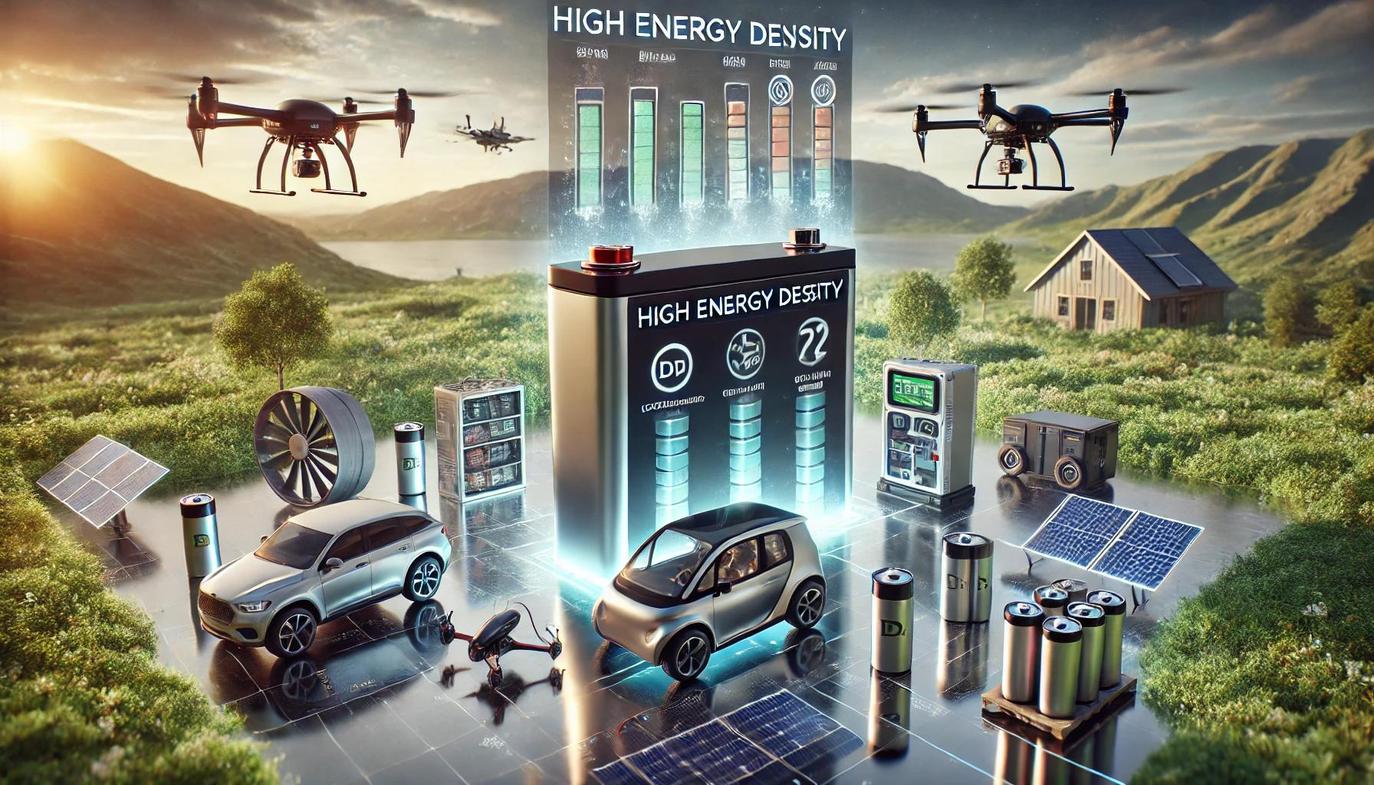
How High Energy Density in a Li-Ion Battery Boosts Sustainability
While the term “high energy density” is technical, it translates to a simple yet powerful advantage with significant environmental implications. It’s one of the most important characteristics of this battery chemistry.
More Power, Less Material
Energy density simply means storing the maximum amount of energy in the smallest and lightest package possible. A compact lithium-ion battery can hold the same power as a much larger and heavier battery made from older materials. This directly reduces the quantity of raw materials like metals and plastics needed for its construction. A smaller, lighter product also has a lower shipping weight, which reduces the fuel consumed during transportation across the entire supply chain.
Enabling Portable and Off-Grid Power
This high energy density is what makes products like portable power stations and electric vehicles practical. Without the lightweight power of the Li-ion battery, these innovations would be too heavy. This technology empowers us to capture and use renewable energy, like solar power, anywhere we go. It allows you to run appliances at a campsite or provide emergency backup power at home, reducing reliance on noisy, polluting fossil fuel generators.
A Transparent Look at the Full Lifecycle: Mining and Recycling
A transparent discussion about sustainability requires addressing the entire lifecycle of a lithium-ion battery, from how its materials are sourced to what happens when it’s no longer usable. This transparency is key to making informed choices.
The Reality of Lithium and Cobalt Extraction
The extraction of raw materials like lithium and cobalt does present environmental and ethical challenges. These are serious concerns that the industry is actively working to solve.
This has led to significant improvements in regulations and a strong push toward more sustainable materials. For instance, many manufacturers are now shifting to Lithium Iron Phosphate (LFP) chemistry, a type of Li-ion battery that contains no cobalt, making it a more ethically sound and stable option.
The Growing Importance of Li-Ion Battery Recycling
Lithium-ion battery recycling is not only possible but is rapidly becoming a sophisticated and economically viable industry. Modern recycling facilities can now recover over 95% of the essential minerals, including lithium, cobalt, and nickel. These recovered materials can then be used to create new batteries, establishing a closed-loop system that reduces the need for new mining. This circular economy is the future of battery production.
Making the Right Choice for Your Power Needs
With this knowledge, you are better equipped to choose an energy solution that aligns with both your practical needs and your values. The decision often comes down to the scale of your power requirements.
For Everyday Devices: High-Quality Rechargeable Batteries
For smaller electronics like remote controls, computer mice, and children’s toys, switching to high-quality rechargeable AA or AAA batteries is a simple yet impactful step. This choice immediately reduces household waste and saves money in the long run. When selecting them, look for brands that emphasize longevity and a high cycle count, as this ensures you get the maximum sustainable value from your purchase.
For Bigger Needs: Portable Power Stations
For larger power needs—such as emergency home backup, outdoor recreation, or professional tools on a job site—a portable power station is the superior choice. These units, powered by a large internal lithium-ion battery, act as silent, emission-free generators. They can be charged from a wall outlet or, for true energy independence, paired with solar panels. For reliable options in either category, brands like EBL offer solutions designed for long-term, sustainable use.
Embracing a More Sustainable Energy Future
The shift toward lithium-ion technology represents a significant step forward in our pursuit of sustainable energy solutions. By offering a reusable and highly efficient alternative to disposable batteries, Li-ion technology directly addresses the waste and inefficiency of single-use power sources. Its high energy density reduces the need for raw materials, while a rapidly growing recycling industry is creating a circular economy that minimizes environmental impact.
As consumers, our purchasing decisions have a collective environmental impact. Opting for rechargeable batteries for everyday devices or a portable power station for larger needs is a practical action that reduces waste and promotes a more responsible energy paradigm. By understanding the long-term benefits of a rechargeable lithium-ion battery, from its high charge cycles to its role in enabling renewable energy, we can all contribute to a more sustainable future.

Your Questions About Lithium-Ion Sustainability Answered
Are lithium-ion batteries truly better for the environment than disposable ones?
Yes, significantly. While the manufacturing process has an environmental footprint, a single lithium-ion battery can replace hundreds or even thousands of single-use disposable batteries. This feature drastically reduces the physical waste, manufacturing energy, and transportation emissions associated with throwaway culture over the battery’s long lifespan.
What does “high energy density” mean for sustainability?
High energy density means a lithium-ion battery can store more power in a smaller, lighter package. This reduces the amount of raw materials needed for manufacturing and lowers the carbon footprint associated with shipping. It is also the key technology that makes portable power stations and electric vehicles practical.
Is the mining of lithium and cobalt a major environmental concern?
The extraction of raw materials does present environmental and ethical challenges, which the industry is actively addressing through improved regulations and a shift toward more sustainable materials. Many manufacturers are now using Lithium Iron Phosphate (LFP) chemistry, which contains no cobalt. Furthermore, a growing recycling industry is recovering over 95% of key minerals, creating a closed-loop system that reduces the need for new mining.

