
Repsol is the world’s first oil and gas company to assume an ambitious goal of reaching net-zero emissions by 2050. You may be wondering, “how can a business that depends on the sale of fossil fuels achieve that?” The Spanish company’s commitment to sustainability has manifested a detailed plan of action – a decarbonization path with intermediate targets from 2020 up through 2040. Its program puts it at the leading edge of the sector in the battle against climate change.
Chief Executive Officer Josu Jon Imaz, said:
We are convinced that we must set more ambitious objectives to fight climate change. We believe now it is the right time for Repsol. We do it with the utmost confidence that we invest in the future. Addressing the significant challenges that lie ahead with strategic clarity is what will allow us to turn them into opportunities. We are convinced that this strengthens our project that is sustainable, attractive and profitable for all our stakeholders.
All of Repsol’s investments and activities will strategically fall into accord with the Paris Agreement’s climate goals. Even the gas and oil price will be renewed to comply with the objectives. The adjustment means the company will have to pay a post-tax impairment charge of 4.8 billion euros; however, this will not affect shareholder remuneration or cash flow.
To achieve the overall goal, Repsol will increase its production of biofuels and chemical products with a low carbon footprint, and it will invest more in renewable power sources like wind and solar. As far as reduction of carbon emissions go, with 2016 levels serving as the baseline, it plans to be 10% lower by 2025, 20% lower by 2030, 40% by 2040, and net-zero carbon emissions by 2050.
The first 70% will be achieved merely using current technology. Part of this phase of the strategy will include carbon capture, use, and storage. If there are any additional offset emissions required at any point, the company will do so through reforestation and other forms of natural climate sink.
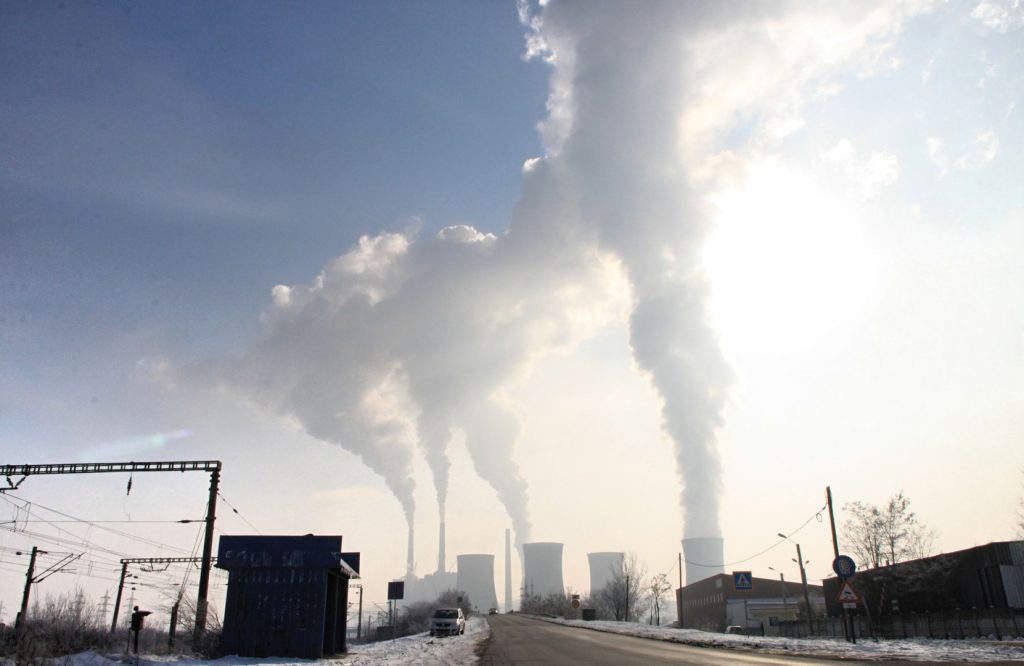
Unlike other companies that rely on the production and sale of fossil fuels who have also set emissions targets, Repsol is counting emissions from its customers as well, meaning the cars and power plants that use its products. No other company is doing that. They do not take responsibility for what their customers do, only for what their business does to get the product to them.
Pavel Molchanov, an energy analyst at Raymond James investment advisory firm, said:
What makes this announcement truly precedent-setting is that Repsol’s net-zero target encompasses all of the categories of emissions. Repsol’s pledge covers the emissions from its own operations as well as the carbon footprint of the petroleum fuels and natural gas used by its customers.
Repsol announced that it would publish a report in 2020 with “an analysis of this alignment” regarding “all the associations and initiatives in which it participates” and that it will terminate its involvement with “any whose actions or messages are incompatible” with the battle against climate change.


