
Climate change significantly threatens global food security. With this in mind, scientists from the University of Chicago, Guizhou University, and Peking University have figured out how to boost crops by manipulating RNA in plants. The process also makes the plants more resistant to drought conditions.
In a recent study, the team inserted a single gene called FTO into rice and potato plants (at its most base level). The resulting plants grew longer root systems that helped them endure drought conditions better and were significantly more efficient photosynthesizers. They grew much larger and produced higher yields – three-fold more produced in the lab and 50% more in the field.
Chuan He, the study’s co-lead researcher, said:
The change really is dramatic. What’s more, it has worked with almost every type of plant we have tried it with so far, and it’s a very simple modification to make.

What led the team to this finding? They had previously discovered that the FTO protein, encoded by the FTO gene, removed chemical markers on RNA, which can adjust the expression of DNA. When they applied that knowledge to these plants, they saw that eliminating those RNA markers diminishes the signals that command the plants to slow their growth from an early point in their development. This caused the modified plants to produce far more RNA than control plants, leading to higher biomasses.
The process currently involves inserting an FTO gene from an animal into the plant. However, future versions could bypass this step to avoid the controversial GMO label, according to the team. The study was published on July 22, 2021, in the journal Nature Biotechnology.
Chuan explained:
This is a brand-new type of approach, one that could be different from GMO and CRISPR gene editing; this technique allows us to “flip a switch” in the plants at an early point in development, which continues to affect the plant’s food production even after we remove the switch. It seems that plants already have this layer of regulation, and all we did is tap into it. So, the next step would be to discover how to do it using the plant’s existing genetics.
The rice plants and potato plants had similar results, despite not being closely related. This means it could potentially work in a broad range of plants, improving their resistance to the wrath of climate change.
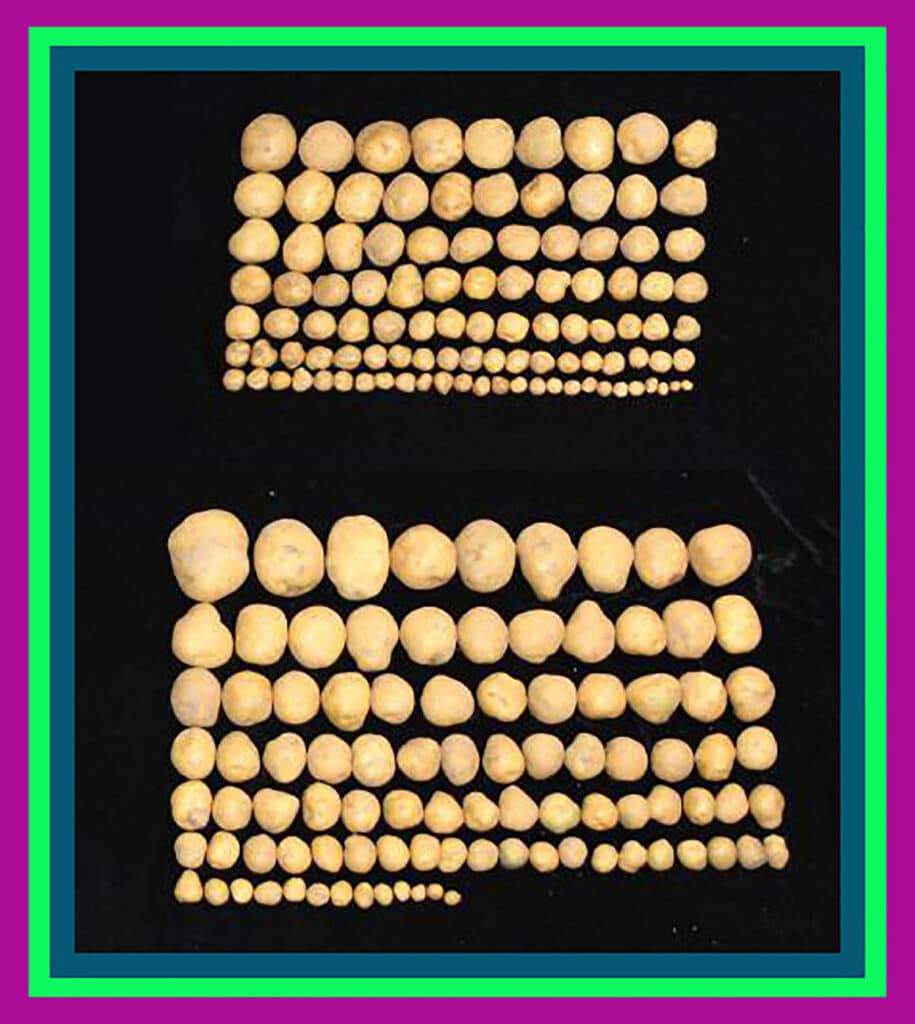
Chuan concluded:
This really provides the possibility of engineering plants to potentially improve the ecosystem as global warming proceeds. We rely on plants for many, many things – everything from wood, food, and medicine, to flowers and oil – and this potentially offers a way to increase the stock material we can get from most plants.
This year, we have seen many promising ways of how scientists are improving plant growth and reducing fertilizer use. These include a Curtin University-led study that found aspirin boosts plant growth and restores degraded land. Also, scientists at China’s Southwest University found that tree fungus drastically reduces fertilizer use in tomato crops.


