
Maintaining a durable, long-lasting roof requires proactive measures that protect against the elements and daily wear and tear. For homeowners and property managers aiming to preserve their roofing investment, roof coatings offer a practical solution.
Protective coatings provide a protective layer, shielding roofs from weather-related damage, reducing maintenance requirements, and improving energy efficiency. By applying roof coatings, property owners can delay costly repairs or complete roof replacements while enhancing the overall performance of their buildings. This guide details the key advantages of roof coatings and their role in extending roof life, offering a sustainable and cost-effective approach to roof management.
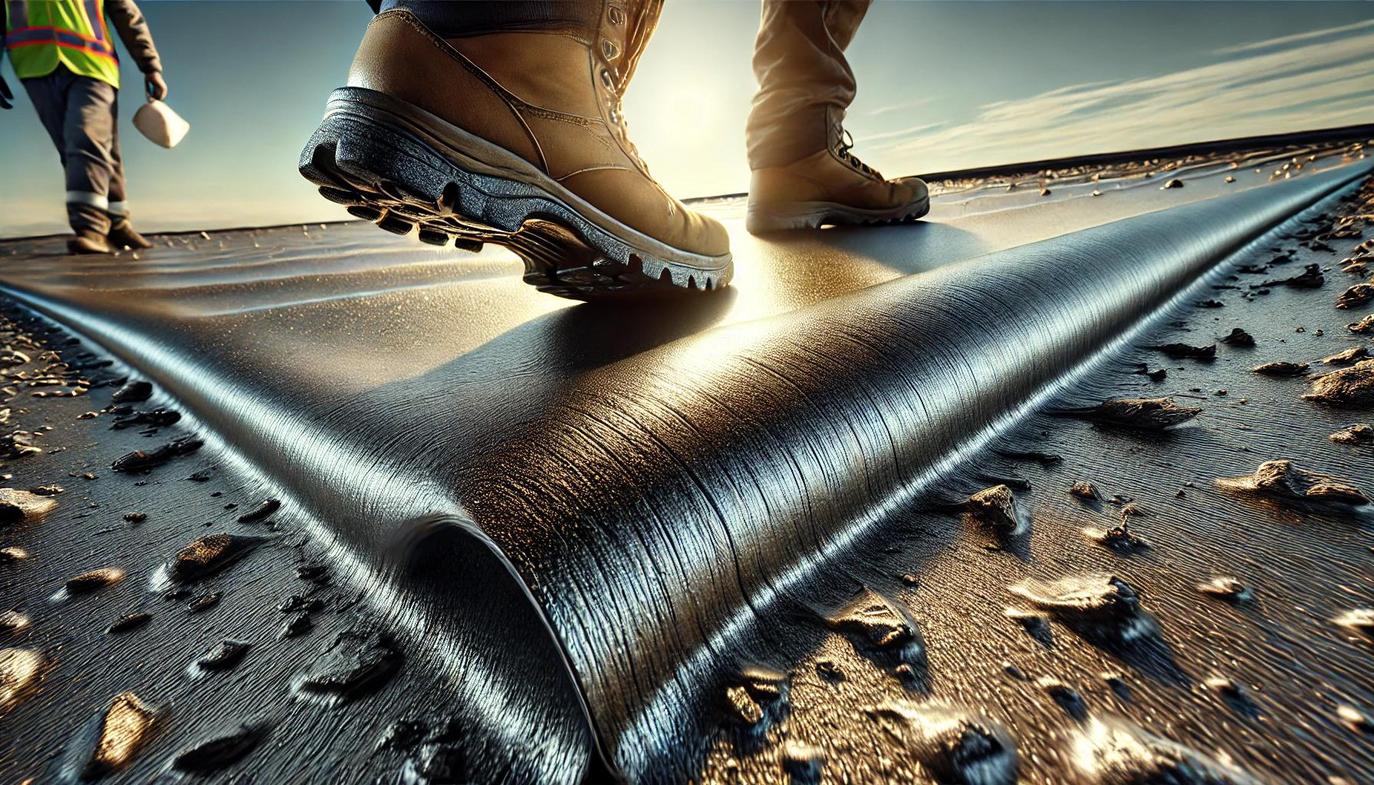
How Roof Coatings Extend Roof Lifespan
Protection Against Environmental Damage
Roof coatings primarily protect roofs from harsh weather and environmental stressors. Roofs are constantly exposed to harsh weather, including intense sunlight, heavy rain, snow, and fluctuating temperatures.
These conditions, over time, often cause roofing materials to crack, warp, or lose integrity. Joliet Roofing emphasizes the importance of roof coatings, as they create a protective barrier that minimizes direct exposure to ultraviolet rays, rain, and moisture, reducing deterioration risks.
Reflective coatings can lower heat absorption, preventing expansion and contraction cycles that frequently cause structural damage. By shielding the roof from these elements, coatings help maintain the material’s condition. This allows the roof to last longer without frequent repairs or premature replacement.
Key Environmental Protections Provided by Coatings
For commercial properties, reflective coatings can significantly reduce energy bills, making them not only a protective measure but also a financially beneficial one; in residential settings, their use improves indoor comfort while preserving the roof’s longevity.
For commercial properties, reflective coatings can significantly reduce energy bills, making them not only a protective measure but also a financially beneficial one; in residential settings, their use improves indoor comfort while preserving the roof’s longevity.
Large buildings have unique needs when it comes to weather protection and maintenance. Property managers must look at the entire lifecycle of their properties to avoid sudden, expensive repairs. Investing in professional commercial roofing services helps identify weak spots before they turn into major leaks. Regular inspections and timely coating applications keep the structure safe from heavy rain and sun damage. This proactive planning keeps operational costs low and protects the building for many years.
For commercial properties, reflective coatings can significantly reduce energy bills, making them not only a protective measure but also a financially beneficial one; in residential settings, their use improves indoor comfort while preserving the roof’s longevity.
Thermal Benefits and Cost Savings
Effective waterproofing and leak prevention are critical for roof owners, as water damage poses significant risks. Roof coatings form a seamless, waterproof layer that can prevent water from penetrating the roof surface.
By sealing small cracks, gaps, and vulnerable areas, coatings act as a secondary defense against leaks that can compromise the structure. Water intrusion prevention reduces mold growth, wood rot, and insulation damage risks.
All of these factors can shorten the life of a roof. Even in areas with frequent rainfall or snow, roof coatings help maintain a dry, stable environment within the roofing system. This protective quality is essential for extending the roof’s lifespan, as water-related damage is one of the leading causes of early roof failure.
Enhanced Durability Against Wear and Tear
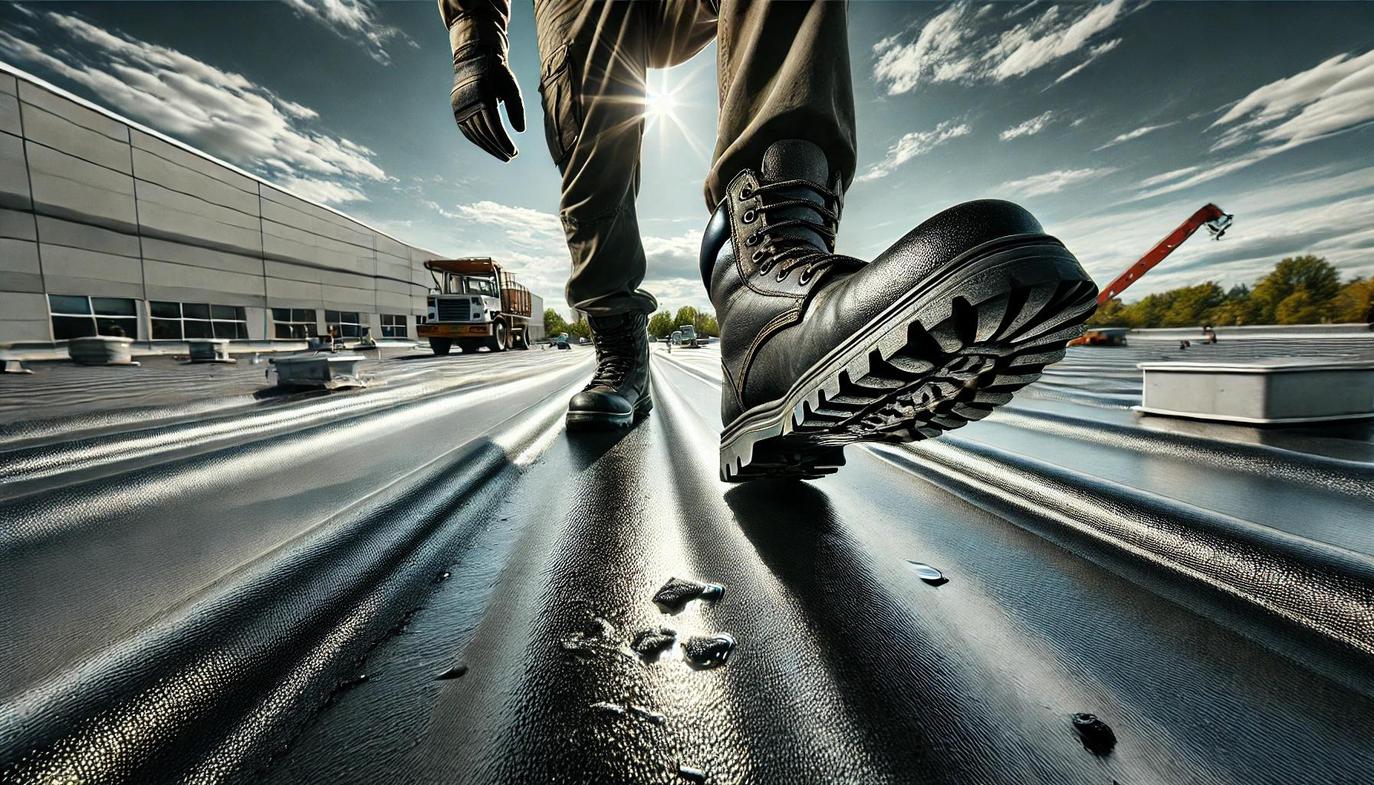
Roof coatings enhance the durability of roofing materials by providing an extra layer of strength. Roofs constantly face foot traffic, debris impact, and natural wear from exposure.
Coatings reinforce the surface, providing greater resilience against minor abrasions and physical stress. This reinforcement helps preserve the roof’s original structure and appearance, reducing the need for spot repairs or full replacement.
For flat roofs, which often experience pooling water and heavy exposure, coatings can be particularly effective. They help maintain integrity and prevent premature aging. By reinforcing the roof, coatings extend the time before major maintenance is required, offering long-term protection and peace of mind.
Building Resilience Against Physical Stress
Choosing roof coatings provides a cost-effective maintenance solution, offering a smart alternative to frequent repairs or early replacement. The application process is typically faster and less disruptive than full roof replacement, reducing labor and material costs.
Roof coatings can be reapplied periodically to maintain protective benefits, a strategy often more affordable than repairing extensive neglect-caused damage. This preventive approach empowers property owners to manage maintenance budgets more effectively while extending the roof’s life.
By reducing the frequency of emergency repairs, coatings minimize disruption to daily activities and operations. This makes them a practical and economical choice for long-term roof care.
Long-Term Financial Advantages of Coatings
Roof coatings enhance sustainability by extending roofing material lifespans and reducing waste. Delaying roof replacement reduces landfill waste, directly benefiting the environment.
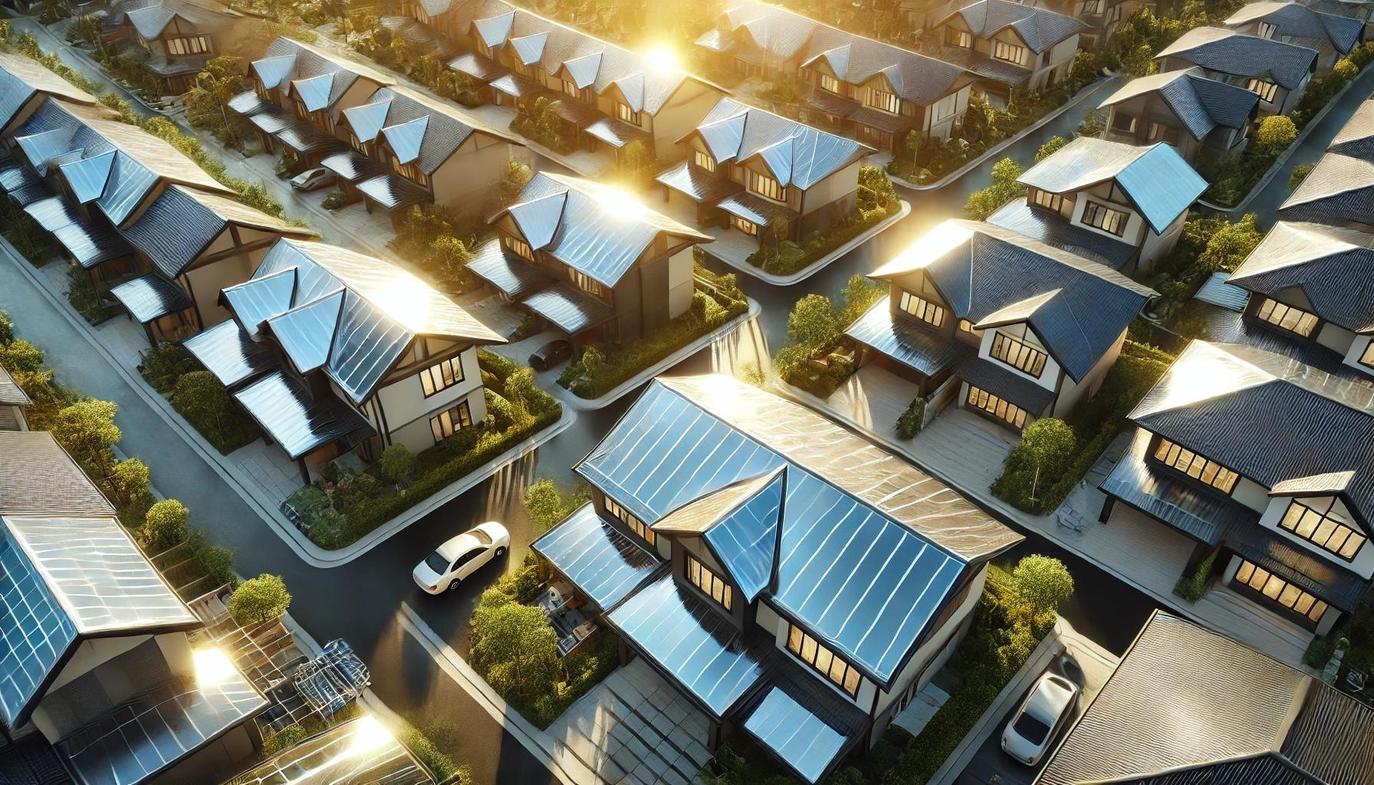
Reflective coatings reduce energy consumption, lowering carbon emissions from heating and cooling. Properties seeking environmental standards or green building certifications find roof coatings a clear path to achieve sustainability goals. This is done while maintaining functional performance. The extended roof life enabled by coatings complements sustainable building practices, creating a balance between durability and environmental responsibility.
Extend Your Roof’s Lifespan with Advanced Coatings
Roof coatings present a broad strategy for extending the functional life and performance of roofing systems. These protective layers offer important benefits, including strong protection from the environment, excellent waterproofing, and lower energy costs. For homeowners and commercial property managers alike, investing in modern roof coatings translates into significant long-term savings, reduced maintenance burdens, and enhanced structural resilience against daily wear and tear.
Beyond immediate protective advantages, advanced roof coatings also align with broader sustainability objectives. By minimizing the frequency of costly roof replacements, they actively reduce waste destined for landfills and contribute to lower carbon footprints through improved energy efficiency. In the end, using roof coatings as part of a property’s upkeep helps keep the roof strong, working well, and looking good for many years, protecting the overall investment in the building.
Common Questions About Roof Coatings
What Are Roof Coatings, and How Do They Work?
Roof coatings are liquid-applied membranes that form a protective, monolithic layer over an existing roof surface. This layer shields the roof from harsh weather elements, UV radiation, and physical wear, effectively sealing minor imperfections and enhancing the material’s inherent durability. They primarily work by creating a seamless barrier that prevents water penetration and reflects solar heat, thus reducing thermal stress on the roofing system.
How Do Roof Coatings Extend Roof Life?
Roof coatings extend roof life by providing multiple layers of defense. They protect against UV degradation, which causes materials to break down, and offer a waterproof barrier that prevents leaks and moisture-related damage like rot or mold. Additionally, by reducing heat absorption, coatings minimize the expansion and contraction cycles that lead to cracks, preserving the structural integrity of the roof over many years.
Are Roof Coatings Energy Efficient?
Yes, many roof coatings, particularly reflective or “cool roof” coatings, are highly energy efficient. These coatings are designed to reflect a significant portion of sunlight away from the building, which reduces the amount of heat absorbed by the roof. This process lowers indoor temperatures, decreases reliance on air conditioning systems, and can lead to substantial reductions in energy consumption and associated costs for both residential and commercial properties.
What is the Expected Lifespan of a Roof Coating?
The lifespan of a roof coating varies depending on the type of coating, the climate, and the quality of application but typically ranges from 10 to 20 years. Regular maintenance and proper application can maximize the coating’s longevity. Many coatings are also designed for reapplication, allowing property owners to renew the protective benefits without needing a full roof replacement, further extending the roof’s overall service life.
Can Roof Coatings Prevent Leaks?
Absolutely. One of the key functions of roof coatings is to provide superior waterproofing. They form a continuous, seamless membrane over the entire roof surface, effectively sealing existing small cracks, gaps, and porous areas. This barrier prevents water penetration, safeguarding the underlying roof structure from moisture damage, mold growth, and the deterioration that often leads to leaks. Coatings are an excellent proactive measure against water intrusion.


