Extreme weather is testing the resilience of cities and natural environments alike. From flooded streets to wind-damaged structures, the aftermath of storm events often requires quick decisions that prioritize safety.
Roads must be cleared, power lines repaired, and damaged areas secured. These are critical actions, but they rarely happen in isolation. Every choice has environmental consequences, sometimes subtle, sometimes far-reaching.
The real challenge isn’t just restoring order after the storm. It’s doing so in a way that considers both immediate needs and long-term impact. Finding this balance between safety and sustainability is becoming increasingly essential as climate events intensify and recovery timelines shorten.
Responding Fast Without Compromising the Future
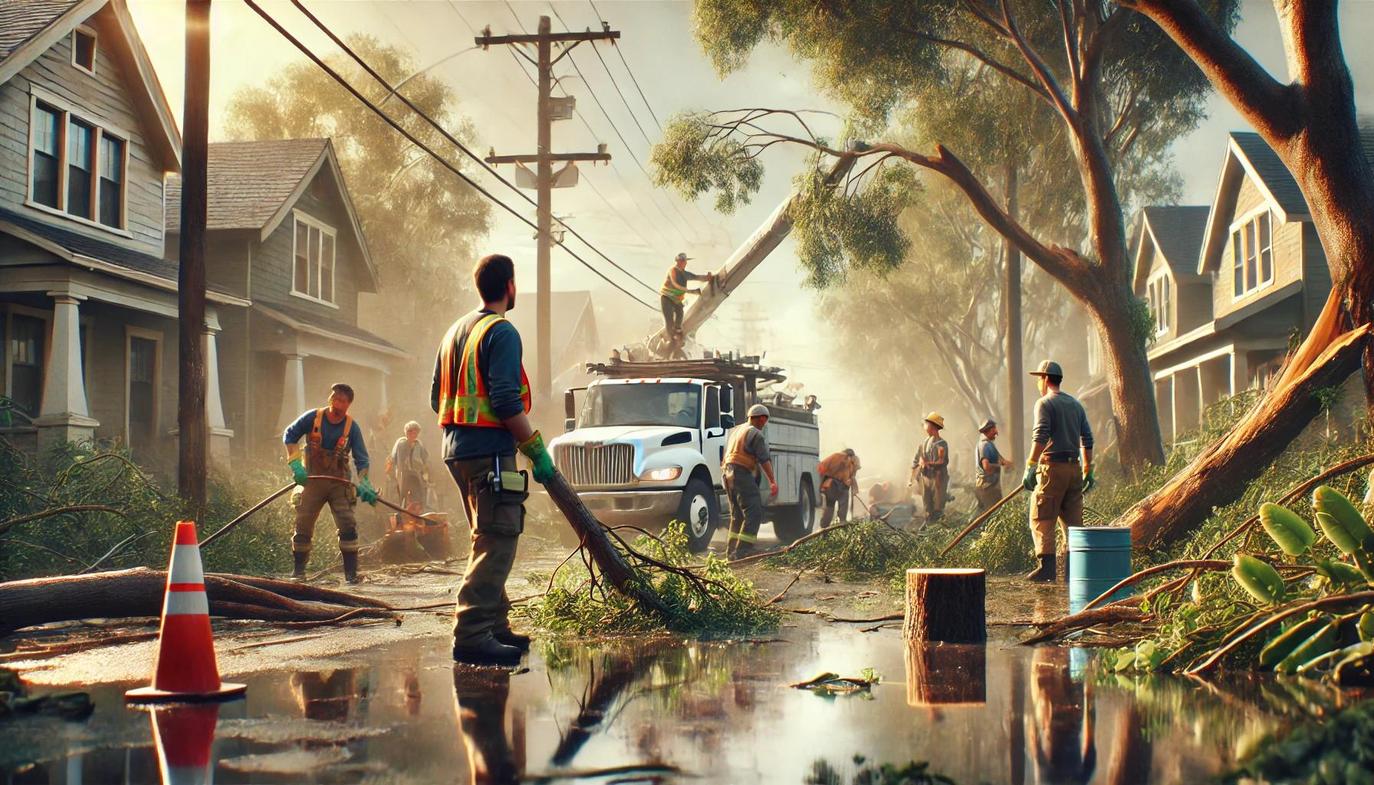
Weather damage often leaves communities with debris-strewn streets, fallen trees, weakened buildings, and unstable land.
Clearing hazards is a natural first step. Damaged power lines or weakened trees pose clear threats, and delays can increase the risk to people and property. But while the need to act quickly is real, the pace of early recovery can sometimes sideline environmental considerations.
This is especially true in areas frequently affected by severe storms. For example, there were four weather-related fatalities due to falling trees in Greenville, South Carolina (SC), in September 2024. According to WSPA, four people were reported dead on the scene in a single day.
In such places, taking necessary precautions becomes very important. Tree removal in Greenville, SC can help prevent such situations. Property owners and communities can remove large trees or at least prune them to avoid unnecessary damage.
However, they need to seek help from professionals for this. According to Swamp Rabbit Tree Co., these professionals aim to make their clients’ properties safe and beautiful. They also clean up after storms without harming the surrounding environment. For example, they can remove trees without impacting land or soil.
Quick fixes can often lead to more significant problems later. Stripped soil can erode. Over-cleared land can lose the ability to absorb water, increasing runoff and flooding.
Building Resilience Through Smarter Land and Water Systems
In many regions, the most visible damage comes from failing infrastructure. Cracked roads, broken drainage systems, and waterlogged foundations leave lasting scars on the landscape. Repairing them is essential, but if those repairs don’t consider changing weather patterns, they risk becoming temporary patches rather than real solutions.
Sustainable design plays a role here. Replacing impermeable surfaces with permeable materials can reduce stormwater buildup. According to a ScienceDirect study, permeable surfaces can help reduce urban flooding. However, they are prone to clogging, which is something cleaning service providers can help with.
Redirecting runoff using bioswales or rain gardens helps control erosion and recharge groundwater. These approaches offer multiple benefits:
- Control erosion in post-storm landscapes
- Help recharge groundwater levels
- Lower future repair costs
- Improve public safety during heavy rainfall
Land use decisions after a storm matter just as much. Vacant lots left behind after flood damage may become dumping grounds, or they can be transformed into green buffers that absorb excess water. Rebuilding can follow traditional designs or take advantage of newer models that integrate climate awareness into the layout of streets, homes, and open spaces.
Strengthening the Grid for Future Storms
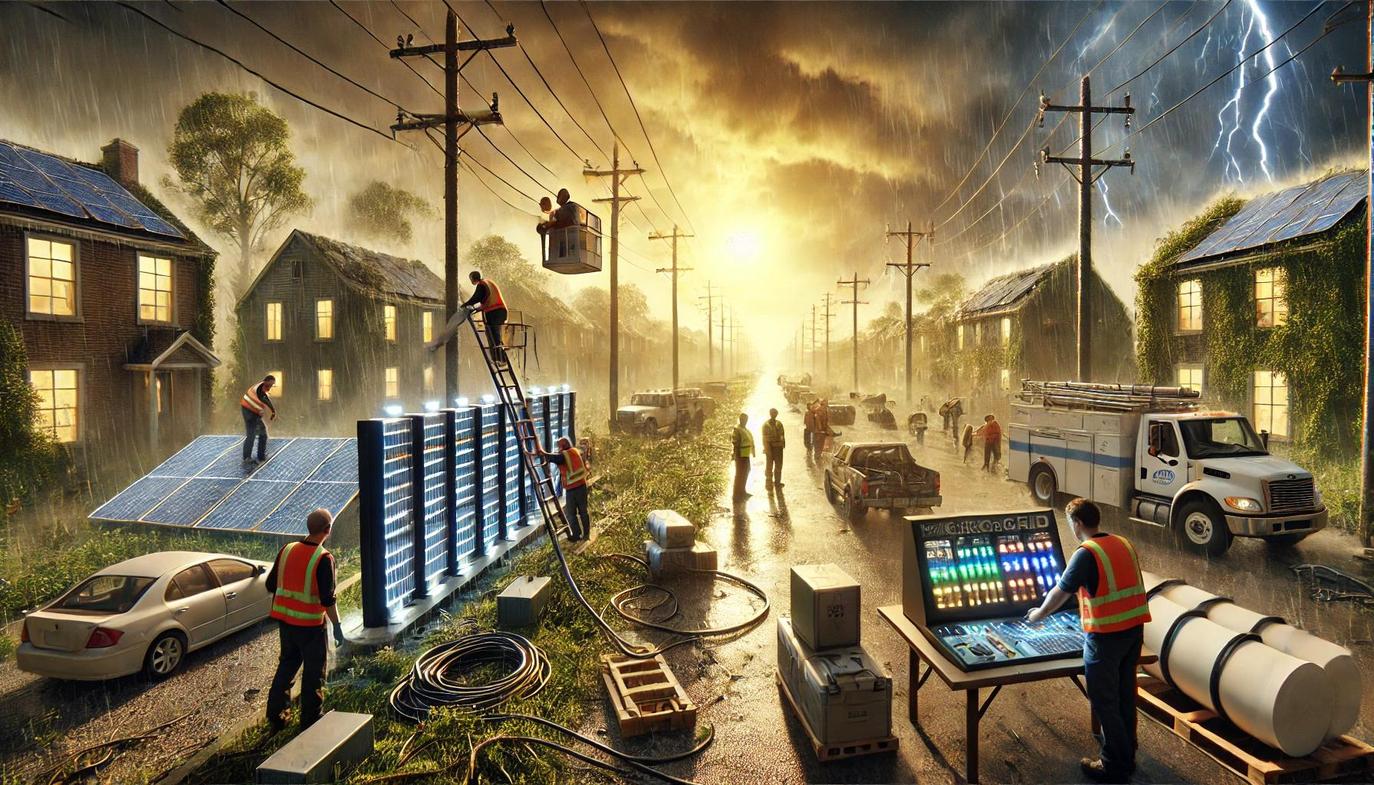
Extreme weather events frequently disrupt energy grids, causing blackouts that affect households, healthcare facilities, schools, and businesses. Restoring power is often the top priority, and understandably so. But each outage is also a reminder of how fragile centralized systems can be under environmental stress.
For instance, Hurricane Francine caused a major power outage in Louisiana in 2024. According to The Weather Channel, around 124,000 residential and commercial places were without power. The state urged extreme caution due to snapped tree limbs, flooded roads, and power outages.
Moreover, the frequency of weather-related changes and power outages is increasing in the US. An ABC News article states that around 80% of major power outages between 2000 and 2023 were weather-related.
Investments in microgrids and decentralized energy systems can offer a more stable solution. Solar panels paired with battery storage allow homes and public buildings to remain functional even when the broader grid fails.
In some areas, community-owned energy cooperatives have stepped in to provide a layer of resilience that large utility providers struggle to deliver.
As cities rebuild after weather damage, integrating renewable energy options into recovery plans can reduce downtime. They can also help lower long-term energy costs and shrink the environmental footprint. It’s not just about bouncing back quickly; it’s about bouncing back better.
How Natural Defenses Help Us Recover Smarter
Natural systems offer powerful, often overlooked, protection. Natural systems offer powerful, often overlooked, protection:
- Wetlands slow floodwaters
- Tree canopies reduce wind speed
- Native plant roots stabilize soil and reduce erosion
Natural and Engineered Recovery: Finding the Right Mix
After an extreme weather event, it’s tempting to rely solely on engineered solutions, such as retaining walls, drainage pipes, or concrete barriers. However, these come with limitations and associated costs.
Incorporating natural features into recovery plans can enhance both safety and sustainability. Restoring riverbanks, planting native grasses, and protecting remaining green spaces help absorb excess water and reduce the force of wind. These nature-based approaches often require less maintenance and are more adaptive to changing conditions.
In some coastal regions, dunes and mangroves are being re-established not for aesthetic reasons, but as critical buffers against storm surges. On land, bioswales and tree belts serve similar purposes. Recovery efforts that treat nature as a partner, rather than an obstacle, tend to deliver more durable outcomes.

Rebuilding Smarter: Sustainability After the Storm
Weather-related disasters will likely continue to test our infrastructure, energy systems, and landscapes. But with each storm comes an opportunity to rethink how we respond—not just for today, but for tomorrow.
Treating safety and sustainability as complementary rather than competing priorities transforms recovery efforts into long-term investments in community resilience. It’s not just about clearing debris—it’s about rebuilding smarter, stronger, and more sustainably.
Frequently Asked Questions
What materials can help make storm recovery more sustainable?
Materials like recycled asphalt, reclaimed wood, and permeable concrete are gaining attention in sustainable rebuilding. They offer durability while reducing environmental impact. Even natural materials like rammed earth or locally sourced stone can be used in structural repairs, offering a lower carbon footprint.
Can community-led recovery efforts be more sustainable than top-down plans?
Yes, community-led efforts often prioritize local knowledge, which can lead to more sustainable choices. Residents may push for preserving natural buffers, using native plants, or incorporating green spaces into rebuilding plans. These efforts are also more likely to reflect what is actually needed. This helps reduce waste and mismatches in resource use.
How does transportation infrastructure fit into sustainable recovery planning?
Transportation networks often suffer significant damage in severe weather events, from washed-out roads to blocked transit lines. Rebuilding these systems sustainably may involve adding bike lanes, utilizing recycled materials for road repair, or designing roads with improved drainage. Some cities are also exploring raised pathways and modular transit stops that can withstand flooding.