
The success of car accident and personal injury cases depends on one crucial factor: proof of negligence. Without clear evidence, victims face resistance, delayed justice, or even denial of rightful compensation. In Norcross, Georgia, a city with a population of approximately 17,000 residents, personal injury claims frequently arise from its busy highways, thriving warehouses, and fast-paced commuter routes.
This vibrant Gwinnett County suburb, with its focus on logistics, manufacturing, and retail, is a busy hub prone to traffic congestion and workplace hazards. When someone suffers harm in Norcross due to another person’s carelessness, it is crucial to hold the responsible party accountable. Working with a Norcross personal injury lawyer at Gonzalez Torres Law empowers victims to present the compelling proof needed to do so.
This post outlines key forms of evidence that demonstrate negligence and support your injury claim with confidence.
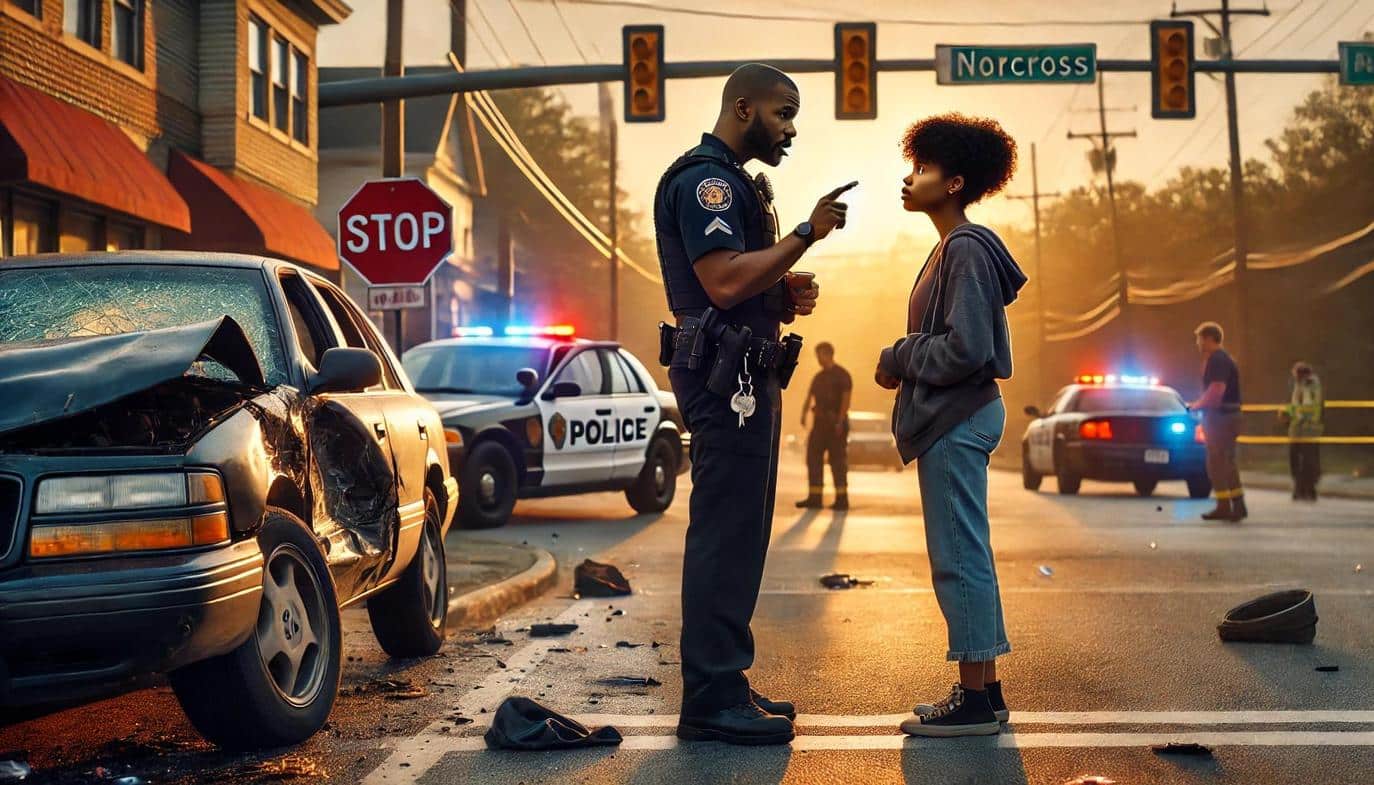
The Power of Eyewitness Testimonies
Eyewitnesses are crucial in establishing negligence. People who witnessed the incident can provide a clear account of the other party’s actions. Their statements are influential because they come from a neutral, third-party perspective. Always gather contact information from witnesses at the scene. Their accounts validate your version of events and help discredit false claims from the opposing side.
Capturing Critical Evidence with Photos and Video
Photographs and video footage can serve as undeniable proof of negligence. If possible, capture images of:
- The accident scene from multiple angles
- Property destruction, including all vehicles involved
- Your physical injuries
- Skid marks, debris, and other road evidence
- Relevant traffic signs and weather conditions
Security cameras or dashcams can also provide crucial, unbiased footage of the event, making it harder for the at-fault party to deny responsibility.
The Official Account: Why Police Reports Matter
Responding officers document essential findings at the scene of an accident. A report may contain officer observations, citations issued, statements from involved parties, and diagrams of the scene. These official records support claims of reckless behavior, distracted driving, or violations of traffic laws. Always request a copy of the police report and review it for accuracy.

Connecting Your Injuries to the Incident with Medical Records
Medical documentation is essential for attaching your injuries directly to the incident. Be sure to keep records of all emergency room reports, doctor’s notes, imaging results, and treatment plans.
Prompt medical attention strengthens your case, as delays can raise questions about the cause and severity of your injuries. Clear, dated medical records draw a direct link between the accident and your physical harm, proving that your condition resulted from the at-fault party’s actions.
Strengthening Your Case with Expert Testimony
In many cases, expert analysis is essential for strengthening your position. An accident reconstructionist analyzes vehicle movements, the force of impact, and the speed at the time of the incident. Medical experts describe the long-term effects of injuries. Economists project future losses tied to the event. These professionals use facts and science to explain why another person holds responsibility.
Proving Distracted Behavior with Cell Phone Records
In many modern cases, cell phone records reveal distracted behavior. If someone texted or made calls during the time of the crash, those records prove negligence. With proper legal steps, this evidence becomes accessible and effective in establishing fault.
What Vehicle Damage and Property Analysis Reveals
The location and severity of damage on vehicles or other property provide detailed evidence. For example, rear-end damage strongly suggests that the other driver was unable to maintain a safe distance. Diagrams and mechanical assessments support conclusions about what occurred, and why the fault falls on the other party.
Analyzing Clues from Accident Scene Debris
Skid marks, debris patterns, and impact points at the location help clarify speed, direction, and force. Investigators use these physical signs to reconstruct the event. Timely collection of this evidence ensures accuracy before weather or cleanup crews remove critical clues.

Building a Strong Personal Injury Claim
Building a strong personal injury claim requires a strategic and proactive approach. By gathering compelling evidence, you can effectively demonstrate the at-fault party’s negligence and secure the compensation you deserve. Each piece of evidence, from eyewitness accounts to expert testimony, helps construct a convincing narrative of the events.
A well-documented case not only strengthens your position during negotiations but also prepares you for a successful outcome if the case goes to trial. Remember that the quality and credibility of your evidence are paramount to the success of your claim. Working with an experienced personal injury lawyer can help ensure that all necessary proof is collected, preserved, and presented effectively to support your claim.
Frequently Asked Questions About Proving Negligence
What is the single most important piece of evidence in a personal injury claim?
While every piece of evidence is important, the official police report and your initial medical records are often the most critical. The police report provides an objective account of the incident, while medical records create a direct link between the accident and your injuries.
Can I still have a case if there were no eyewitnesses?
Yes. While eyewitnesses are valuable, they are not always essential. A strong case can be built using other forms of evidence, such as photographs, video footage, expert testimony, and physical evidence from the scene, like skid marks or vehicle damage.
How do cell phone records prove negligence?
Cell phone records can provide a timestamped history of calls, texts, and data usage. If these records show that the at-fault party was using their phone at the exact moment of the accident, it serves as powerful evidence of distracted driving and, therefore, negligence.

