
A new high-tech armband, known as Nightwatch, has been created by scientists from the Netherlands that can detect 85 percent of all severe night-time epilepsy seizures. The development of this device has been some twenty years in the making. Its principle is based on an idea of Johan Arends and some of his colleagues, while the technology is being developed by spinoff company LivAssured. The results of a prospective trial were published in the scientific journal Neurology.
The researchers believe this armband can reduce the worldwide number of unexpected night-time fatalities in epilepsy patients. In their study, it detected seizures dramatically better than any other technology currently available. There are several techniques for monitoring patients at night available, but many attacks are still being missed. This new armband could be the solution.
SUDEP
SUDEP (sudden unexpected death in epilepsy) is a major cause of mortality in epilepsy patients, so much so that between 7% and 17% of all epilepsy-related deaths are due to the complication. Furthermore, people with an intellectual disability and severe therapy-resistant epilepsy may even have a 20% lifetime risk of dying from epilepsy.
There are two essential characteristics of severe attacks: an abnormally fast heartbeat and rhythmic jolting movements. Consortium researchers have therefore developed an armband that recognizes these characteristics. The armband detects them and then sends a wireless alert to carers or nurses.
Alerting a carer is one level of intervention. The next is acting: Purdue University researchers are developing a wearable that decides when to inject epinephrine during anaphylaxis, another emergency where the gap between symptom and treatment decides the outcome.
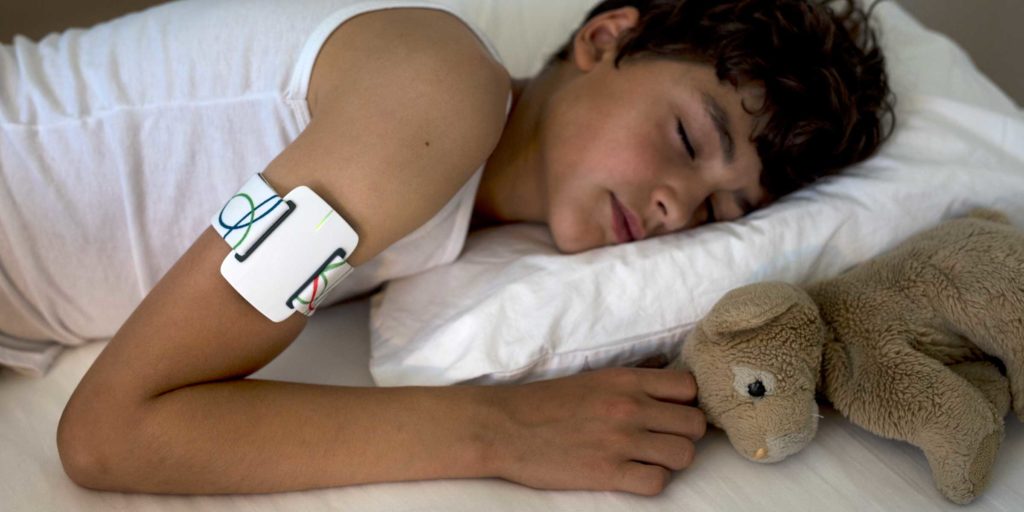
Designed for use by those individuals with an intellectual disability and severe therapy-resistant epilepsy (who are particularly at risk of SUDEP), the device is worn on their upper arm as they sleep. As they do so, it uses optical sensors to measure their heart rate, along with accelerometers to detect the rhythmic jolting movements that are distinctive to seizures.
Prospective Trial
- 28 intellectually handicapped epilepsy patients participated in testing out the armband.
- The trial period extended over an average of 65 nights per patient.
- The armband was restricted to sounding an alarm in the event of a severe seizure.
- The patients were also filmed to check if there were any false alarms or attacks that the Nightwatch might have missed.
The Results
- The video footage showed that the Nightwatch detected 85% of all serious attacks and 96% of the most severe ones (tonic-clonic seizures).
- By contrast, a traditional bed-based sensor that was additionally in use only detected 21 percent of the serious seizures.
- On average, the bed sensor remained silent once every 4 nights per patient. The Nightwatch, on the other hand, only missed a serious attack per patient once every 25 nights.
- In addition, the patients did not experience much discomfort from the armband and the care staff were also positive about the use of the device.
Conclusion
It is hoped that the Nightwatch armband will reduce SUDEP deaths by two-thirds. The trial results proved that the Nightwatch works well so the armband can now be widely used among adults, both in institutions and at home. Depending on how quickly and adequately care providers or informal carers respond to the alerts, this device has the potential to save thousands of lives, if applied worldwide.


