
Investing in your home’s exterior is about more than just aesthetics; it’s a strategic move to fortify your property against the elements while boosting long-term value. Choosing a specialist who truly understands the intricacies of local climates ensures that your investment translates into a lasting, weather-tight reality.
Finding the right partner for this transformation requires looking past the surface level of price tags and glossy brochures. By focusing on verified credentials, specialized material expertise, and transparent communication, you can navigate the complex world of home renovation with confidence and clarity.
The contractor you choose matters more than the materials themselves.
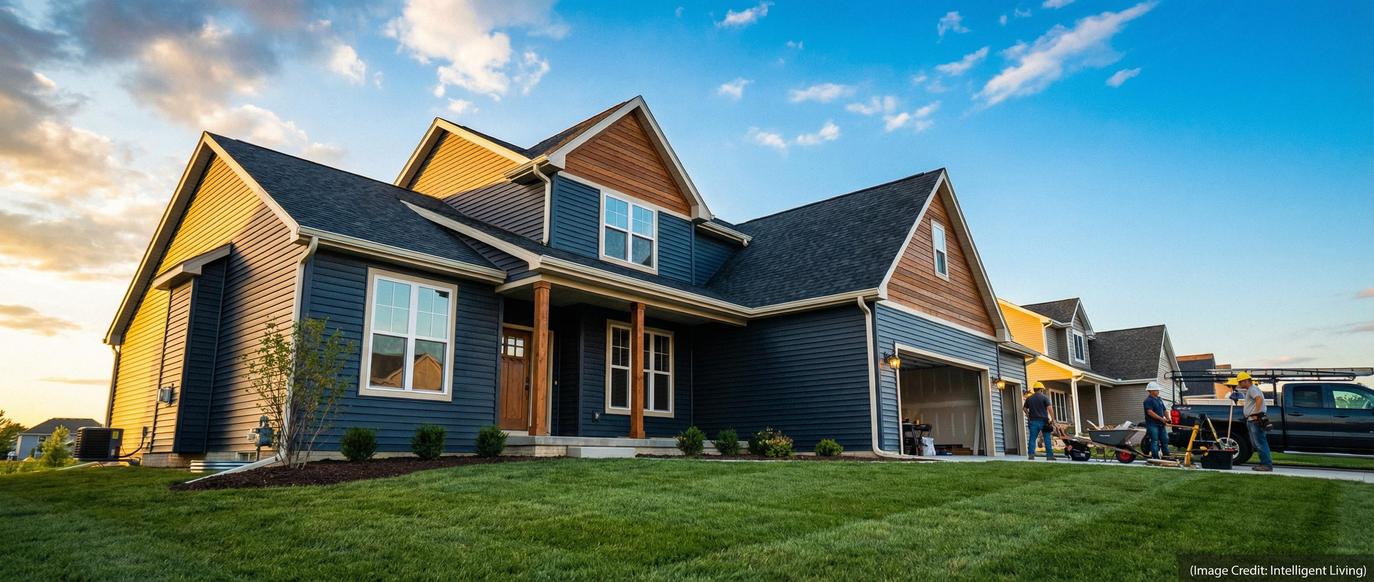
The Vital Importance of Expert Siding Installation
Failing to secure a professional installation often leads to cascading issues even when you invest in premium materials. These structural vulnerabilities compromise your home’s integrity over time.
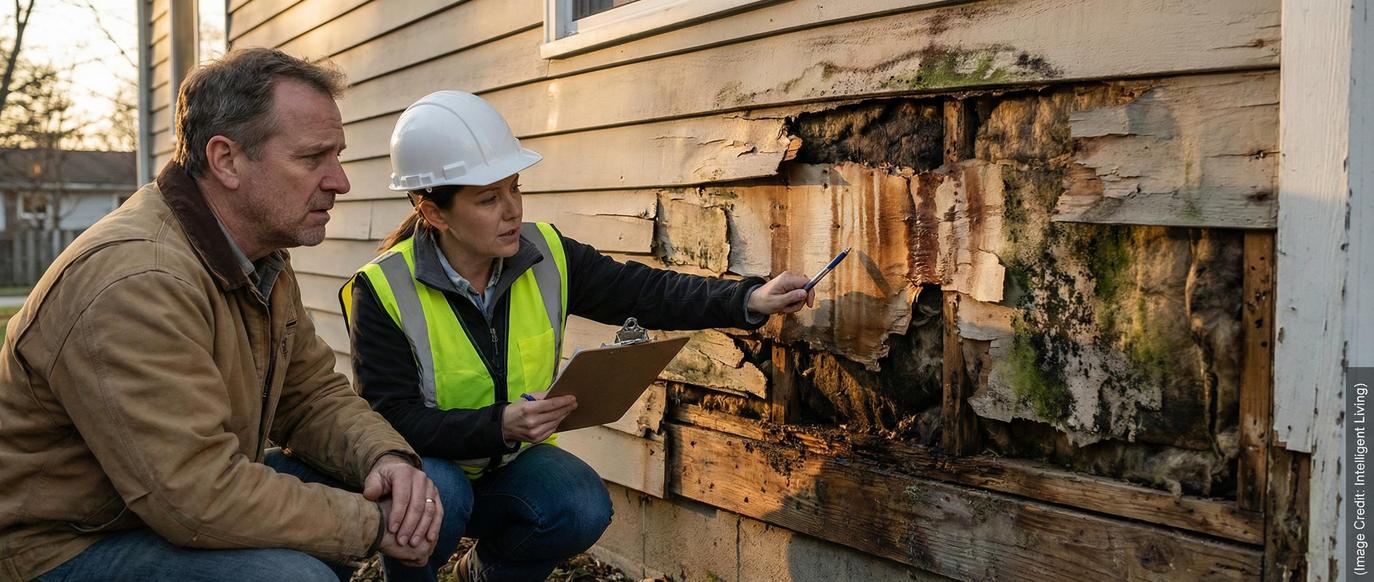
- Water infiltration behind improperly fitted panels leading to mold and structural rot.
- Unsealed gaps that create persistent drafts and inflated heating expenses.
- Compromised thermal barriers that reduce overall energy efficiency.
Ensuring every panel is precision-aligned creates a robust defense against these common pitfalls.
Peer-reviewed studies on ScienceDirect highlight that walls traditionally account for about 35% of a building’s heat loss. However, this varies by construction type, climate, and insulation improvements; it is now often closer to 20-30% in modern contexts, with foundations gaining relative importance [1].
Professional installation creates a weather-tight barrier that protects your home’s structure and maintains indoor comfort. The quality of workmanship directly determines whether your investment pays off in the long term.
Signs Your Home May Need New Siding
Identify these physical indicators to determine the current state of your cladding:
- Visible warping, cracking, or rot on existing panels
- Rising energy bills signal failed insulation.
- Fading, peeling, or persistent moisture stains
- Mold growth near exterior walls
- Drafts around window and door frames
Minor damage sometimes warrants repair, but widespread issues typically require full replacement to avoid escalating costs.

Prioritizing Material-Specific Experience in Cladding Projects
Different cladding materials demand specialized installation methods to ensure long-term durability. For instance, vinyl installation focuses on expansion allowance, whereas fiber cement requires heavy-duty cutting tools and specific moisture barriers.
Wood cladding demands moisture management that synthetic alternatives don’t. A siding contractor working with timber must understand local humidity patterns that affect material expansion.
True mastery across different siding types is rare, as each material presents its own set of structural challenges. Ask potential contractors about their specific work experience with your chosen material. Request examples of similar projects completed in the past two years. Verify that they follow the manufacturer’s installation guidelines, as deviations void the product warranty.
Whether you need a siding contractor in Hamilton or elsewhere, material-specific experience matters more than general construction background.
| Material Type | Key Installation Requirements |
|---|---|
| Vinyl | Proper expansion gaps, specific fastening techniques |
| Fiber Cement | Heavy-duty tools, moisture barrier installation |
| Timber | Climate-appropriate treatment, moisture management |
| Metal | Specialized cutting tools, thermal movement allowances |
Before hiring a siding contractor in your local area, confirm they’ve completed multiple projects with your specific material choice.

Verifying Contractor Credentials, Licenses, and Liability Insurance
Confirm proper business registration and public liability insurance before signing any formal agreements.
Request current certificates and contact insurers directly to verify that policies remain active and provide sufficient coverage for your specific project.
Homeowners worldwide face significant risks from uninsured tradespeople. In the US alone, construction trades often show uninsured rates as high as 50% for some roles (per the Census Bureau), and the UK FMB notes frequent disputes with unqualified workers, though exact complaint percentages vary by region.
Essential Documentation Checklist:
- Valid public liability insurance (minimum £2 million or CAD $3.71 million coverage)
- Employer’s liability insurance if they employ workers
- Proof of business registration
- Manufacturer certifications for specific materials
- References from recent projects
Be wary of teams that hesitate to provide physical documentation or attempt to rush your decision-making process with high-pressure tactics.
Local Knowledge and Climate Experience
Hiring a professional with deep regional roots ensures your home is prepared for specific environmental challenges. They understand exactly how local variables impact the lifespan of your exterior.
- Freeze-thaw cycles that can cause material fatigue and cracking.
- Wind-driven rain patterns that test the limits of moisture barriers.
- High humidity levels that dictate expansion gaps and ventilation needs.
This specialized insight allows for a more tailored approach to material selection and fastening techniques.
Establishing a partnership with local experts ensures they are physically available for future warranty support and adjustments. They’ve built reputations in the community that out-of-area crews haven’t.

Reviewing Past Work, Reviews, and References
Analyze reviews deeply rather than relying solely on star ratings. Identify patterns regarding communication and cleanup, as these consistent behaviors matter more than isolated complaints.
Request references from projects completed at least two years ago. Contact previous customers directly with specific questions:
- How did the contractor handle unexpected issues?
- Was the site cleaned daily?
- Did the project finish on schedule?
- How was communication throughout the job?
- Would you hire them again?
While visual galleries showcase the final result, inquire about the obstacles encountered during the project and the specific methods used to overcome them.
Navigating Siding Estimates and Transparent Project Pricing
Detailed estimates should separate materials, labor, preparation work, waste removal, and permit fees. Vague, all-inclusive quotes obscure the details, making it nearly impossible to compare competing bids fairly.
| Cost Component | What It Should Include |
|---|---|
| Materials | Brand names, grades, quantities, delivery |
| Labor | Crew size, hourly rates, total hours estimated |
| Preparation | Old cladding removal, repairs, surface prep |
| Waste Removal | Skip hire, disposal fees |
| Permits | Building control fees, inspection costs |
Reputable specialists build contingencies for structural damage revealed only after the old cladding is stripped away.
The cheapest quote often signals that corners are being cut or that inferior materials are being used, which can cost more when problems arise later.

Ensuring Comprehensive Workmanship and Material Warranties
Cladding warranties typically include separate coverage for materials (from manufacturers) and workmanship (from contractors). Manufacturer warranties cover product defects but require professional installation in accordance with specific guidelines.
Workmanship warranties should guarantee the contractor’s labor for several years. Understand what voids coverage:
- Improper maintenance or neglect
- Unauthorized modifications
- DIY repairs or alterations
- Natural disasters or extreme weather events
Secure all comprehensive warranty documentation in writing prior to the commencement of any site work.
Communication, Planning, and Project Management
Define precise expectations regarding project milestones and daily operational hours to ensure mutual clarity. Understand the crew structure; will the same team work throughout, or will subcontractors be involved?
Establish a clear protocol for how unexpected structural issues will be reported and approved before work continues.
A contractor’s initial responsiveness and communication style during the bidding phase typically serve as a reliable indicator of their professional conduct throughout the entire project.
Contracts, Payments, and Legal Protections
Comprehensive contracts must specify materials (including brands and grades), project scope, timeline, payment schedule, and warranty details. Never pay more than a third upfront, with subsequent payments tied to project milestones.
Safe Payment Structure:
- 10-30% deposit upon contract signing
- 30-40% when materials arrive on site
- 30-40% at the project halfway point
- The final 10-20% upon completion and your approval
Document change orders for additional work in writing with agreed pricing before proceeding. Avoid contractors who demand full payment upfront or accept only cash.
Common Mistakes Homeowners Make
While a low bid is tempting, hiring based strictly on the bottom line often becomes a homeowner’s most expensive oversight. Skipping written contracts or failing to verify insurance leaves you legally and financially vulnerable.
Many homeowners make rushed decisions after storm damage, becoming targets for contractors who disappear before warranty issues arise. Take time to properly vet contractors even when repairs feel urgent.
Strategic Value of Expert Installation
Securing a professional siding installation is an essential step in preserving your home’s structural integrity and thermal efficiency for years to come. When you prioritize verified experience and comprehensive warranties over the lowest bid, you are essentially purchasing peace of mind and protecting yourself from the hidden costs of future repairs.
A productive working relationship depends on complete transparency and documented standards from the initial estimate through the final walkthrough. By staying diligent in your vetting process and insisting on transparency, you ensure that your home remains a safe, comfortable, and beautiful sanctuary regardless of what the seasons bring.
Questions to Ask Before Hiring
Ask these essential questions:
- How many years have you been installing this specific material?
- What is your typical project timeline?
- What warranties do you provide beyond manufacturer coverage?
- How do you handle unexpected damage or cost overruns?
- Can you provide recent local references?
- Are permits included in your estimate?
- Who will supervise the project daily?
- How do you protect landscaping and property during work?
Asking these questions helps you gauge professionalism and ensures the contractor’s methods truly match your project goals.
References:
- Schiavi, A. (2021). Heat loss in building. In Encyclopedia of Sustainable Technologies (2nd ed., pp. 55-63). Elsevier. https://www.sciencedirect.com/topics/engineering/heat-loss-in-building
- United States Census Bureau. (2025, September 8). Health insurance coverage varied significantly by occupation. https://www.census.gov/library/stories/2025/09/health-coverage-by-occupation.html
- Build News. (2025, September 4). The FMB survey exposes costly risks when hiring unqualified builders. https://www.buildnews.co.uk/fmb-survey-exposes-costly-risks-when-hiring-unqualified-builders/


