
Homeowners looking to improve comfort and energy efficiency often explore electric floor heating in Toronto as a practical and modern solution. Radiant systems warm the room from the ground up, creating even heat distribution without relying on forced air. With straightforward installation options and precise temperature control, electric systems have become a popular choice for renovations and new construction alike.
Even and Consistent Warmth
Traditional heating systems push warm air through vents, which can create temperature swings and cold spots. Radiant floor systems distribute heat evenly across the entire floor surface. As warmth rises naturally, the room feels consistently comfortable from wall to wall.
This uniform heat eliminates chilly areas near windows or exterior walls. Bathrooms, kitchens, and basements benefit especially from the steady warmth underfoot. Instead of heating the air first, the system directly warms the surface you walk on, creating a more balanced indoor climate.
Energy Efficiency and Control
Electric floor systems operate efficiently because they heat specific areas rather than the entire home. Zoned thermostats allow homeowners to control individual rooms, reducing energy use in spaces that are not occupied. Programmable controls further improve efficiency by adjusting temperatures according to daily schedules.
Since heat rises evenly, rooms often feel comfortable at slightly lower thermostat settings compared to forced air systems. Integrating these systems is one of the many ways to keep your home warm and save energy during the colder months. Lower air temperatures with maintained comfort can lead to noticeable energy savings over time.
Simple Installation Options
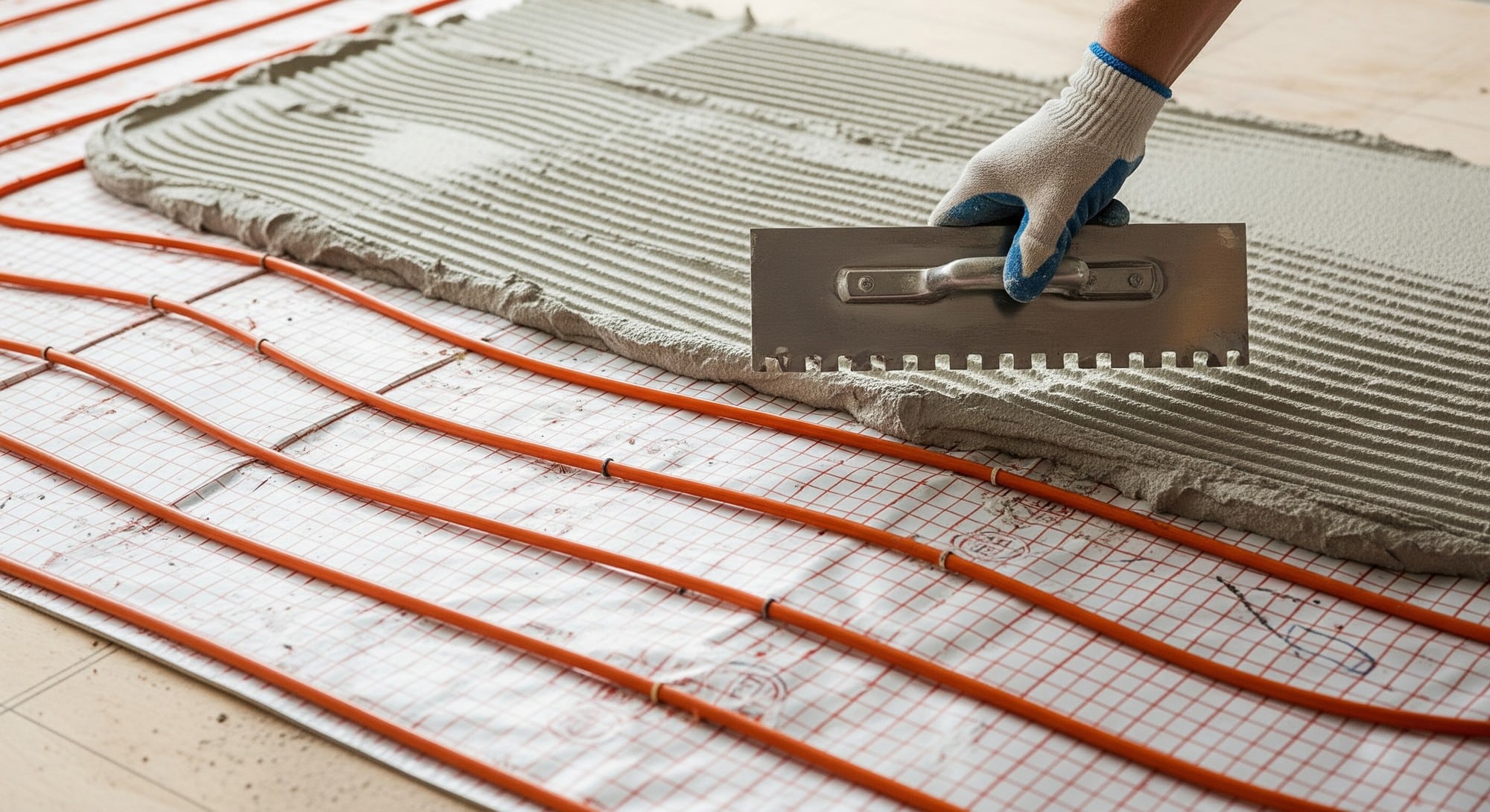
Electric radiant systems are versatile and suitable for many flooring types, including tile, stone, laminate, and engineered wood. Heating cables or mats are installed directly beneath the finished floor surface, making them ideal for renovation projects where adding ductwork would be disruptive.
For smaller spaces such as bathrooms, the installation process is relatively straightforward and can often be completed during standard remodeling work. The slim profile of heating mats means floor height is minimally affected, which helps maintain smooth transitions between rooms.
Improved Indoor Air Quality
Because electric floor heating does not rely on blowing air through ducts, it does not circulate dust, allergens, or pet dander. This makes it an attractive option for individuals with allergies or respiratory sensitivities. Without fans or air movement, the environment remains quieter and cleaner.
Eliminating ductwork also removes concerns about mold growth inside vents. The system operates silently beneath the floor, contributing to a calm and comfortable living space without mechanical noise.
Low Maintenance and Long-Term Reliability
Electric radiant systems have few moving parts, which reduces maintenance requirements. Once installed properly, they are designed to operate reliably for many years. Modern systems include advanced thermostats and safety features that monitor performance and maintain consistent temperatures.
With no filters to replace and no ducts to clean, upkeep remains minimal. Many systems come with manufacturer warranties that provide additional peace of mind.
Design Flexibility and Comfort
Radiant heating offers greater design freedom because it removes the need for visible vents, radiators, or baseboard heaters. Furniture placement becomes easier, and room layouts can remain uncluttered. Homeowners gain flexibility in both aesthetics and functionality.
The experience of stepping onto a warm floor during colder months enhances everyday comfort. Bathrooms, entryways, and kitchens feel especially inviting, transforming ordinary spaces into cozy environments.
Safety and Smart Technology Integration
Modern electric radiant heating systems incorporate advanced safety features that provide homeowners with peace of mind. Built-in sensors monitor the temperature of the floor surface to prevent overheating, while ground-fault circuit interrupters (GFCIs) protect against electrical issues. These safety protocols ensure that the system remains both effective and secure for long-term use in any residential setting.
Furthermore, the integration of smart home technology has transformed how these systems are managed. Many contemporary thermostats offer Wi-Fi connectivity, allowing users to adjust their floor temperatures via smartphone apps. This level of control means you can warm up your bathroom floor before you even get out of bed or ensure the system is off while you are away from home, maximizing both convenience and energy savings.

Conclusion
Electric radiant floor systems combine comfort, efficiency, and simplicity in a way that traditional heating methods often cannot match. Even heat distribution, programmable controls, improved air quality, and minimal maintenance make them a strong option for many homeowners. Their discreet installation preserves interior design while delivering consistent warmth.

