
Maintaining a home in the vibrant Austin landscape requires a keen eye for the subtle signals of environmental wear. The local climate, defined by scorching summer peaks and unpredictable storm cycles, places a continuous burden on your property’s protective layers. While these stressors are constant, the resulting degradation often manifests in ways that escape the casual observer.
Recognizing these early indicators is the first step in a successful home exterior maintenance strategy, ensuring that minor concerns do not evolve into extensive structural vulnerabilities. Prioritizing exterior house painting in Austin serves as more than a cosmetic upgrade; it functions as a critical moisture barrier against the elements. When you stay ahead of substrate integrity issues, you effectively safeguard your building envelope from the long-term effects of thermal expansion and UV exposure.
Proactive oversight allows for surgical residential siding repair and localized touch-ups, preventing the need for the high-cost interventions that follow periods of neglect. By monitoring your home’s outward condition, you sustain both its market value and its resilience against the Central Texas weather.
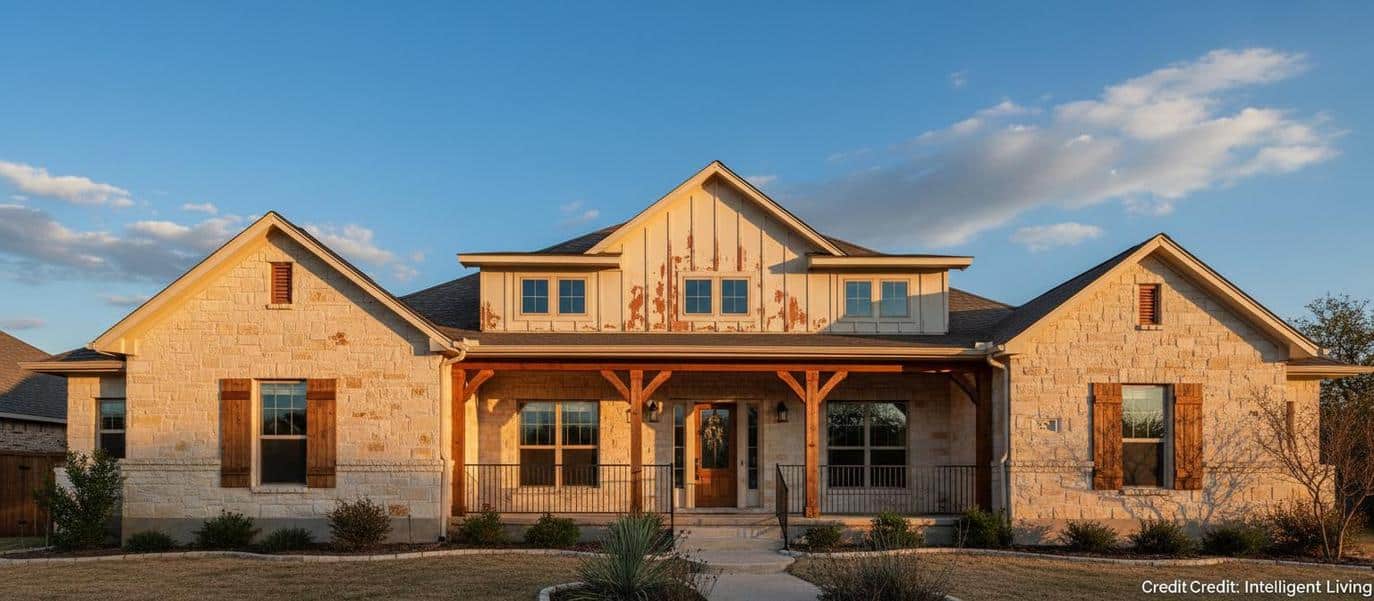
Identifying Early Signs of Peeling and Cracking Exterior Paint
The Central Texas climate subjects property finishes to a punishing cycle of environmental stress. High daytime temperatures followed by cooler evenings create a rhythmic expansion and contraction that gradually compromises the bond between the paint and the substrate.
Identifying early surface failures helps you maintain a robust moisture barrier:
- Thermal expansion causes the coating to lose elasticity and detach from the wall.
- Microscopic gaps allow humidity to infiltrate the underlying wood or siding.
- Prolonged exposure leads to visible lifting, bubbling, or fine spiderweb cracking.
- Unprotected surfaces absorb water rapidly, accelerating the rate of substrate decay.
Recognizing these symptoms early allows for targeted intervention before the damage necessitates a full-scale replacement. Addressing these vulnerabilities early ensures your building envelope remains intact throughout the summer season. If you notice paint lifting in sheets or forming fine cracks, do not ignore it. Address it by hiring a local Austin house painter to repaint the exterior properly.
Assessing UV Damage and Uneven Color in Austin Home Siding
Fading paint does not always mean it’s old. Strong Texas sun can break down color pigments faster than expected, especially on walls that face south or west. When some areas look washed out while others stay bold, the paint no longer protects evenly. Uneven color can also signal poor surface prep from a past paint job. Dirt, chalky residue, or leftover moisture prevents paint from bonding well.
Over time, those weak spots fade first. Such visible pigment loss confirms that the protective resins have degraded, leaving the substrate vulnerable to moisture. Patchy discoloration often necessitates an inspection of the underlying materials to ensure no hidden moisture retention exists.
Detecting Wood Rot and Moisture Absorption in Exterior Trim
Structural wood elements require a dry, stable environment to maintain their load-bearing capacity and aesthetic finish. When high Austin’s humidity combines with seasonal storms, the moisture levels in porous materials can rise to destructive levels.
Property owners should regularly inspect these high-risk exterior zones:
- Fascia boards and soffits located near gutter drainage points.
- Window frames and door sills where vertical joints meet.
- Decorative trim and corner boards exposed to direct rain splatter.
- Vertical siding panels that sit close to the soil or vegetation line.
Early detection of soft spots prevents the spread of rot into the interior framing of the house. Maintaining these specific areas with high-quality sealant preserves the long-term structural integrity of your home. Catching this early allows for small fixes instead of full replacement. Pay close attention to areas where water tends to sit or drain slowly.

Cracks Around Doors and Windows
Small cracks around doors and windows often get overlooked, but they allow water and air to slip inside. In Central Texas, shifting soil and temperature swings cause homes to move slightly throughout the year. This movement stresses joints where different materials meet. Over time, sealant dries out or pulls away, leaving gaps behind. These openings do not just affect comfort indoors.
Persistent air and water infiltration through these gaps eventually compromises internal framing long before signs of damage appear within the living space. If you see thin lines forming or caulk breaking apart, it’s a sign your exterior needs attention before moisture causes hidden problems.
Recognizing Warped Siding and Structural Vulnerabilities
Siding should sit flat and secure against your home. When panels start to bend, bow, or pull away, something is wrong beneath the surface. Heat can cause materials to expand, while moisture weakens fasteners and backing layers. Warped siding often traps water instead of shedding it, which speeds up damage.
Loose sections also make it easier for insects to get inside wall cavities. Some homeowners try to push panels back into place, but the issue usually returns if the cause is not addressed. Spotting these changes early helps protect both your siding and the structure behind it.
Mold or Stains on Exterior Surfaces
Dark streaks or green patches on exterior walls are common, especially on shaded sides of a home. These marks often come from mold, mildew, or algae that thrive in warm, damp conditions. Cosmetic staining typically serves as a precursor to more severe moisture-related issues if left unaddressed.
Paint is designed to repel water, so staining often signals that its protective layer is weakening. Simply washing the surface may remove the discoloration, but it does not always solve the cause. If stains keep coming back, water may be soaking into the material underneath. Addressing this early helps prevent wood damage and surface breakdown.
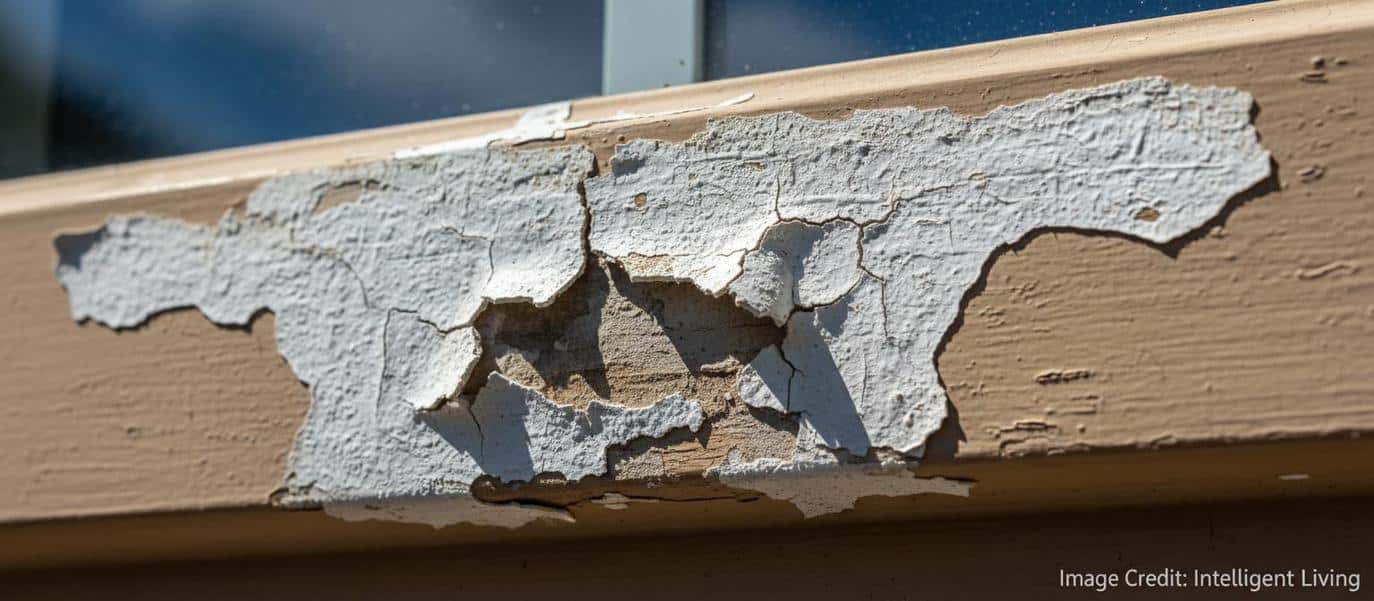
Caulking that Has Dried or Pulled Away
Caulk plays a quiet but important role in keeping water out of your home. Over time, heat and sun cause it to dry, crack, or separate from surfaces. When this happens, small gaps open around windows, doors, vents, and trim. These openings allow rain to slip behind paint and siding. Degrading sealant often escapes notice because the material mimics the color and texture of the surrounding trim.
A close look often reveals brittle lines or missing sections. Replacing caulk before repainting or repairing surfaces helps seal the home properly. Neglecting these critical seals allows moisture to bypass the paint layer, leading to costly structural repairs.
Rust Showing through Painted Areas
Oxidation on metal components such as gutters, vents, or railings indicates that the protective finish has been breached. If left untreated, the corrosion spreads beneath the surface, effectively lifting the paint and compromising the metal’s strength. Professional remediation is required to stop the spread of rust before applying new protective coatings.
Covering it with a fresh coat does not solve the issue. The rust must be treated and sealed correctly, or it will return. In humid air, rust can develop faster than homeowners expect. Early signs include bubbling paint or orange stains bleeding through lighter colors. Catching rust early keeps metal parts strong and prevents the need for full replacement later.
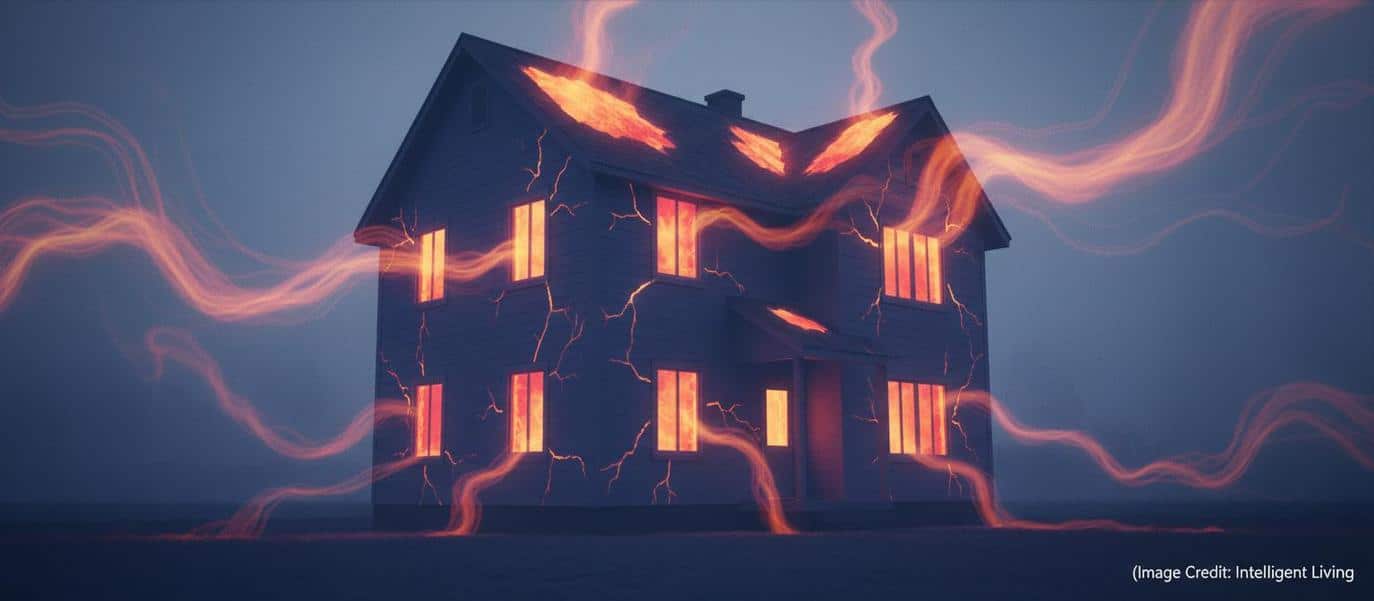
How a Compromised Exterior Shell Increases Monthly Energy Costs
Gaps in the building envelope allow conditioned air to escape while drawing in humid, unconditioned outdoor air. This unintended air exchange forces your HVAC system to operate more frequently to maintain a stable internal temperature. Consequently, failing sealants and degraded siding often serve as hidden drivers for rising monthly utility costs.
Property owners typically prioritize attic insulation or window seals while neglecting the protective integrity of exterior paint. A compromised exterior shell reduces efficiency even if the interior looks fine.
Walking the outside of your home and checking for visible gaps can reveal problems that affect indoor comfort and monthly costs without obvious warning signs. Properties rarely exhibit catastrophic failures without first providing subtle indicators of distress. Peeling paint, small cracks, stains, and loose materials may seem minor, but they often point to moisture and wear that grow worse over time.
Consistent monitoring of these minor details preserves your property’s structural integrity and long-term market value. A regular walk around your exterior allows you to spot issues early and plan repairs before they become costly. Staying proactive keeps your home in good shape and helps you avoid surprises that no homeowner wants to face.
Effective Strategies for Long-Term Home Exterior Maintenance
Sustaining a resilient property requires consistent observation and a commitment to professional-grade protective coatings. By addressing localized issues like wood rot or failing window caulking services as they appear, you prevent moisture from infiltrating the deeper layers of your residence. This methodical approach to exterior maintenance preserves the building envelope, ensuring that your investment remains secure against the intense environmental demands of Central Texas.
Engaging with a specialized Austin house painter allows you to utilize advanced materials designed to withstand high UV indices and rapid temperature shifts. These high-performance finishes provide the necessary thermal expansion tolerance to prevent the premature peeling and cracking that often plagues lower-quality applications. Investing in the structural integrity of your home’s outward shell today guarantees long-term durability and lasting curb appeal for years to come.
Common Austin Residential Siding and Painting Questions
How often should I check for signs of moisture damage?
Performing a thorough walk-around once every three months ensures you catch subtle changes like soft wood or failing caulk before they require major home repairs.
Can faded paint affect my property’s energy efficiency?
Yes, because significant color loss often indicates that the protective resins in the paint have broken down, allowing heat and moisture to transfer more easily into the substrate.
Is warped siding a purely cosmetic concern?
No, bent or loose panels often trap moisture against the wall cavity, which accelerates wood rot and creates entry points for local pests.
How do I know if my home needs a full repaint or just a touch-up?
Localized issues like thin cracks or small rust spots can often be addressed individually, but widespread fading or peeling indicates the entire protective layer has reached its limit.
What is the best time of year for exterior house painting in Austin?
Late spring and early fall offer the most stable humidity levels and temperatures, providing the ideal environment for paint to bond correctly and cure for maximum durability.


