
Pain rarely announces itself dramatically; it often starts quietly as a shoulder that tenses, a knee that clicks on the stairs, or a lower back that feels tight after sitting too long. These initial signals are easy to dismiss, but they are the first signs that the body is developing compensatory strategies to avoid discomfort. Left unaddressed, these small pains begin to fundamentally change the way you move, creating a cascade of subtle shifts that can lead to more significant issues over time.
This guide explores the hidden impact of these minor aches and the chain reactions they can trigger throughout the body. Understanding how your body adapts to pain is the first step toward preventing chronic problems and restoring healthy function. We will go over the importance of early intervention, the role of professional physiotherapy, and the daily habits that contribute to a resilient, pain-free life, empowering you to regain control over your movement and well-being.

How Your Body Compensates for Minor Pain
The body automatically adapts to discomfort to protect an injured area. When discomfort appears, it compensates with adjustments like a slight limp or shortened stride. While seemingly harmless, these shifts gradually alter balance, strain other muscles, and create new pain patterns. This adaptive response, while helpful in the short term, can establish poor movement habits that are difficult to break.
Why Early Action Matters
Ignoring minor aches often allows problems to escalate, so intervening early provides the best opportunity for a swift recovery. Addressing small pains is the most effective way to prevent them from growing into chronic issues, as muscles and joints respond better when the strain is still mild. A proactive stance resolves the root cause before the body becomes accustomed to dysfunctional patterns, ensuring a small problem doesn’t dictate your long-term physical health.
Uncovering the Root Cause of Discomfort
Treating only the location of pain is a temporary fix. Pain is often a symptom, not the source, so a thorough diagnostic approach is necessary to understand the true cause. A proper assessment of movement, posture, and muscle function can reveal whether the discomfort stems from injury, muscle imbalance, or joint stress. Pinpointing the origin ensures a treatment plan is effective and directed where it will have the most lasting impact.
The Role of Physiotherapy in Correcting Movement
Once the source of pain is identified, womens health physios offer a structured, evidence-based approach to guide the body back to its optimal state. It works by correcting the movement patterns that pain disrupts. At treatment centers like MyPhysio Sports & Rehab Centre, targeted treatment plans help restore strength, flexibility, and proper alignment, reducing the risk of recurring discomfort. This professional support is crucial for breaking the cycle of compensation and pain.
How Everyday Routines Can Create Strain
Recurring pain is often caused not by major injuries, but by the accumulation of small, repeated actions. Prolonged sitting, repetitive movements, and poor posture create strain that builds over time. Awareness is the first step; identifying and modifying these habits can significantly reduce the load on your body and is fundamental to both recovery and long-term prevention.

Core Strength: Your Foundation for Pain Prevention
A strong, stable core is the body’s main support system. Weakness in the core can lead to back pain, joint issues, and poor posture, as it forces other muscles to bear an excessive load. Strengthening the core helps distribute movement loads evenly, reducing unnecessary stress. A dedicated core-strengthening routine is an effective investment in your long-term physical health, providing the stability needed to move with confidence.
Why Recovery is a Continuous Journey
Achieving a pain-free state is a milestone, but true recovery involves continuous maintenance. It’s a process of maintaining good movement, building strength, and watching for recurring discomfort to prevent the cycle of injury and reinjury. Viewing recovery as an ongoing practice rather than a one-time fix ensures lasting results and builds true resilience.
Listening to Early Warning Signs
The body provides subtle hints long before a problem becomes severe, and learning to act on them is critical for pain prevention. Persistent tightness, reduced range of motion, or recurring stiffness are all cues to seek professional input early. Ignoring these signs allows minor issues to become entrenched, while heeding them is a proactive step toward maintaining your health.
Restoring Confidence Through Better Mobility
The physical limitations of pain often erode confidence in one’s ability to move freely. Pain changes how you move and how you think about movement. When discomfort is addressed, confidence in physical activity returns, encouraging better posture, more exercise, and overall better health. This renewed trust in your body is a powerful motivator for an active lifestyle, empowering you to engage with the world without hesitation.
Creating Habits for Proactive Pain Prevention
While professional treatment is essential, long-term success depends on daily habits. A consistent preventive routine of stretching, strength training, and regular movement breaks, combined with professional guidance, can significantly reduce the risk of recurring pain. These small, consistent efforts compound over time to build a resilient body, proving a proactive approach is always more effective.
How Small Pains Create Chain Reactions
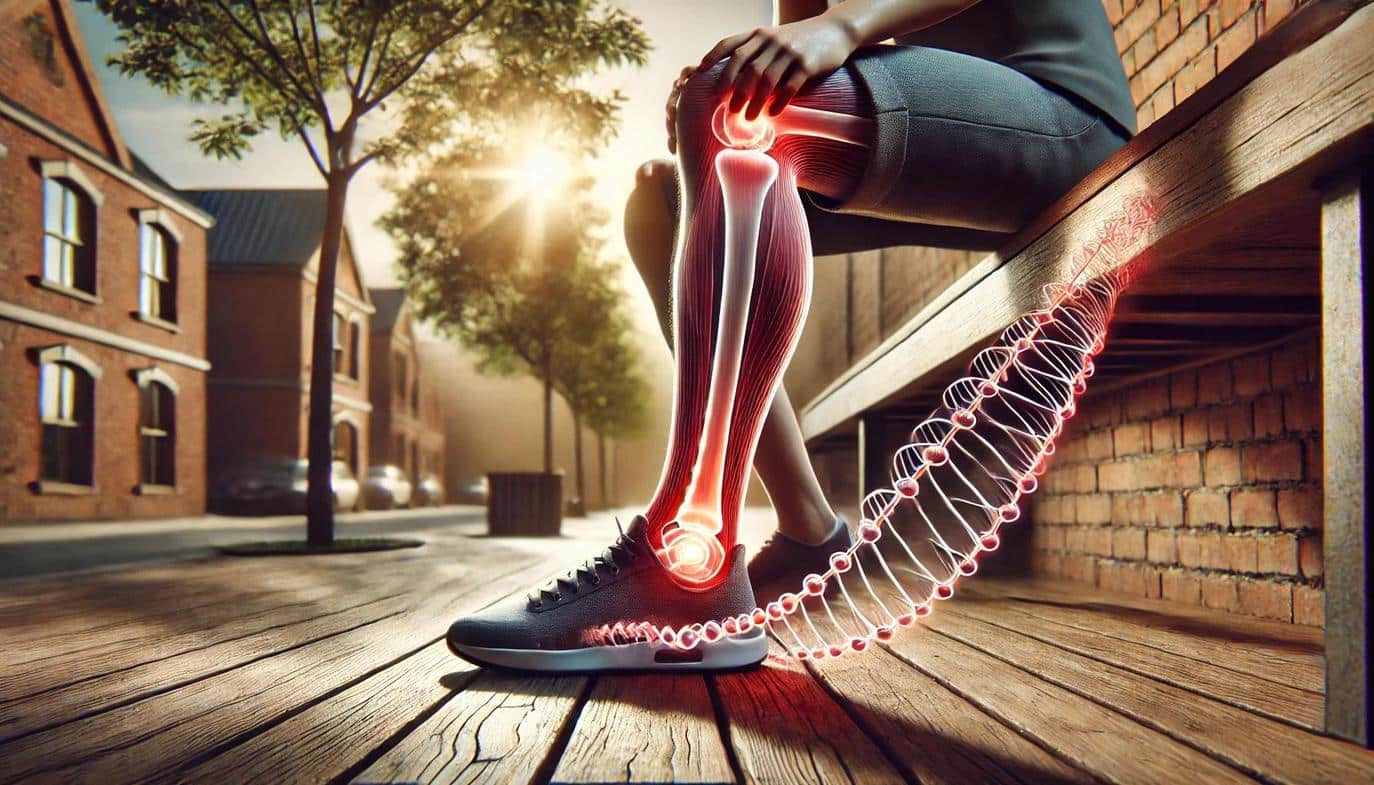
The body is an interconnected system where a minor pain point can trigger a domino effect. Pain rarely stays isolated; for example, a sore ankle changes your gait, which can strain your knee, hip, and back. Addressing the first discomfort early prevents this cascade of new issues. This holistic view is crucial, as effective treatment must consider the body as a whole.
The Hidden Cost of Ignoring Discomfort
Delaying treatment for minor aches can lead to much greater costs down the road. Unaddressed pain often becomes more expensive to treat later, as what could have been managed with minor adjustments can grow into an injury needing extended recovery. The investment in early intervention is minimal compared to the potential cost of treating a chronic condition, making it the most financially prudent decision.
How Muscle Imbalances Lead to Strain
Optimal movement relies on a balance between muscle groups. When some muscles become tight while others weaken, this equilibrium is disrupted, leading to strain. Pain is often linked to these imbalances, where tightness on one side and weakness on the other create strain. Physiotherapy targets both, restoring balance to prevent repeat injuries and ensure efficient, pain-free movement.
Improving Flexibility to Prevent Pain
Good flexibility is key to healthy movement, as it allows joints to move through their full range and reduces the likelihood of compensatory movements that cause strain. Consistent, tailored stretching is an effective preventative measure that helps maintain tissue health and joint mobility. This simple habit can play a significant role in keeping your body resilient.
How Daily Movement Patterns Affect Recovery
Recovery extends beyond the clinic into your daily life, as everyday tasks can either support or hinder healing. Repeated actions like lifting groceries or sitting at a desk shape how the body moves, so small adjustments to posture and ergonomics are crucial. Being mindful of these patterns reinforces the corrective work done during treatment and is a key part of a successful rehabilitation plan.

Rest Isn’t Always the Solution
While rest is important, prolonged inactivity can be counterproductive, weakening muscles and reducing circulation. Guided activity, or active recovery, keeps the body engaged while avoiding movements that aggravate pain, which promotes blood flow and helps maintain strength. A professional can help you find the right balance between rest and safe, therapeutic movement.
Could Your Footwear Be Affecting Your Joints?
Your body’s alignment starts at your feet, and the shoes you wear play a critical role. Poorly fitted or worn-out shoes can increase strain on ankles, knees, and hips. Choosing supportive footwear can significantly reduce recurring lower body discomfort and have a profound impact on your overall joint health. An assessment of your footwear should be part of any plan to address lower body pain.
How Sleep Quality Affects Recovery
Recovery continues while you sleep, as this is when the body performs essential tissue repair. Pain can disturb sleep, but adjusting sleep positions, investing in proper support, and treating pain early all improve recovery outcomes. Prioritizing good sleep hygiene is a non-negotiable component of an effective recovery plan and can accelerate healing.
Hydration and Tissue Health
The health of your muscles and joints is directly influenced by your hydration levels. Proper hydration is essential for maintaining tissue elasticity and function, while dehydration can increase stiffness and discomfort. Ensuring you drink enough water is a simple yet powerful way to support your body and help your tissues remain supple and resilient.
Your Blueprint for an Active and Safe Recovery
A successful recovery is built on a structured, progressive plan that respects the body’s healing process. An active recovery plan includes gentle exercises, stretching, and progressive strengthening to keep the body moving in safe ways that promote healing. This methodical approach builds a solid foundation for returning to full activity, and following a clear, personalized plan is the surest path to a lasting recovery.

Practical Tips for Managing and Preventing Small Pains
Integrating simple, mindful habits into your daily routine can make a significant difference in managing pain and preventing future discomfort. These proactive steps empower you to take an active role in your well-being:
- Check posture regularly: Poor posture puts uneven stress on muscles and joints.
- Take movement breaks: Change positions every 30 to 60 minutes to reduce strain.
- Warm up before activity: Gentle stretches or light exercises prepare muscles for movement.
- Wear supportive footwear: Proper shoes reduce pressure on joints and improve alignment.
- Stay hydrated: Adequate hydration supports joint function and tissue health.
- Listen to early discomfort: Persistent stiffness or tension should be addressed before it worsens.
These habits work best when combined with a treatment plan tailored to your body’s needs.
A Proactive Approach to Lifelong Mobility
The journey to a pain-free life begins with paying attention to the small signals your body sends. Minor discomforts are not just annoyances; they are valuable pieces of information that, when addressed early, can prevent the development of chronic conditions. By understanding the root causes of pain and correcting the subtle shifts in your movement patterns, you can restore balance and build a more resilient foundation for your physical health. This proactive mindset is the key to maintaining mobility and confidence for years to come.
Ultimately, recovery is an integrated process that combines professional guidance with mindful daily habits. Physiotherapy provides a clear roadmap, identifying imbalances and creating a targeted plan to restore strength and flexibility. When you combine this expert support with consistent self-care—like proper posture, regular movement, and supportive footwear—you empower yourself to break the cycle of pain and reinjury. The goal is not just to feel better now but to cultivate the knowledge and habits that support a lifetime of healthy, confident movement.
Frequently Asked Questions About Managing Pain
How do I know if a small pain is serious enough to see a professional?
If a pain is persistent, recurs regularly, or starts to limit your daily activities, it’s a good idea to seek a professional assessment. Early intervention is always more effective than waiting for the issue to become severe.
Can I fix muscle imbalances on my own?
While general stretching and strengthening can help, identifying and correcting specific muscle imbalances often requires a professional evaluation. A physiotherapist can create a targeted exercise plan to ensure you are addressing the root cause safely and effectively.
How long does it take to correct a poor movement pattern?
The timeline varies for each individual and depends on how long the pattern has been in place. Consistent practice of corrective exercises and mindful awareness of your daily movements can lead to noticeable improvements within a few weeks to a few months.


