
Soil quality is often overlooked when searching for horse property. But it’s actually important, especially for the health of your horses. For instance, the horse farms in Ocala, Florida, are famous for their rich pastures and fertile soil, which are important for the well-being of the horses. Understanding the nuances of soil composition can lead to better grazing practices, ultimately enhancing your horses’ nutrition and overall health. Poor soil quality not only affects the grass growth but may also contribute to lingering hoof and respiratory issues in equines, leading to expensive veterinary care.
Horse owners can establish a vibrant environment for their animals by focusing on soil health. This commitment not only enhances the well-being of the horses but also fosters a sustainable farming approach. Such practices ensure the land remains productive and beneficial for future generations of both horses and farmers alike. Let’s dig in to see why soil quality is so important for your horse’s overall well-being.
The Basics of Soil Quality
Soil is more than just dirt. It’s a complex system that affects plant growth and water drainage. Good soil is crucial for maintaining healthy pastures on horse properties, leading to better grazing for your horses. Healthy soil helps produce strong, nutritious forage, which is essential for your horses’ well-being.
Furthermore, quality soil supports beneficial microorganisms and nutrients that enhance plant vitality, creating a robust ecosystem for your pastures. Investing in soil testing and proper amendments can significantly improve soil structure, allowing for better water retention and promoting resilient forage growth that meets your horses’ dietary needs.
Why Soil Quality Matters
It’s important to consider the quality of the soil as the foundation of your horse’s environment. If the soil is poor, you may face several challenges. For example, overly sandy or clayey soil can cause drainage problems, leading to muddy pastures and hoof issues.
Also, soil lacking in nutrients won’t support healthy forage, meaning your horses may not get the necessary vitamins and minerals. Inadequate soil quality can also increase the likelihood of weed growth, which competes with your horses for essential nutrients and can introduce harmful toxins. Moreover, neglecting soil health may result in long-term damage to your property, ultimately affecting its value and your ability to raise healthy, thriving horses.
Testing Soil Quality
Before you buy a property, it’s important to test the soil. This involves collecting samples from different locations on the property and sending them to a lab for analysis. The results will help you understand the soil’s condition and know if any improvements are needed.
Furthermore, soil testing provides valuable insights into pH levels, nutrient content, and organic matter, all of which determine how well the land can support healthy pasture growth. Armed with this information, potential buyers can make informed decisions about necessary amendments, such as adding lime or fertilizer, to enhance soil quality. Establishing a solid foundation prior to purchase not only safeguards your investment but also ensures a thriving environment for your horses from the very start.
Soil Amendments and Management
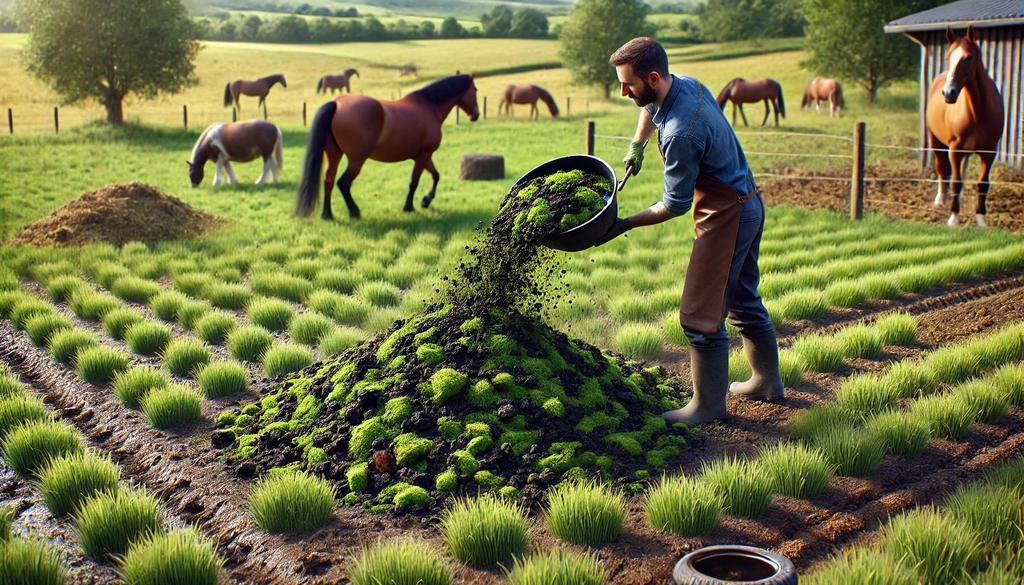
If the soil isn’t up to snuff, don’t panic. There are ways to improve it. First, adding organic matter like compost or well-aged manure helps make the soil richer and better structured. This gives the soil important nutrients and helps it retain water.
This is important for growing healthy forage for your horses. Also, using lime helps adjust the soil’s pH, making it easier for plants to get nutrients. If the soil is too acidic, you can use lime to fix the pH.
Fertilizers provide specific nutrients that the soil may lack. Using them regularly based on soil tests helps keep your pastures healthy and productive.
Finally, planting cover crops like clover or ryegrass can stop soil erosion and make the soil healthier. When these crops are tilled into the soil, they add organic matter, improving soil structure and nutrients. They also help control weeds and reduce the need for chemicals.
These methods don’t just improve soil quality, they also keep your horse pastures healthy and productive.

The Impact on Horse Health
The health of your horses is directly linked to the quality of the soil in their pasture. Nutrient-rich soil helps horses become strong and energetic and can reduce the need for expensive supplements. On the other hand, poor soil quality can lead to nutritional deficiencies and health issues such as colic or laminitis in horses.
When horses graze on nutrient-dense pasture, they are more likely to maintain a healthy weight, which is crucial for their overall fitness and performance. Healthy soil not only supports the growth of quality forage but also fosters a balanced ecosystem that benefits both horses and other livestock on the property. By prioritizing soil quality, horse owners can create a thriving pasture environment that supports the long-term health and vitality of their equine companions.
Consider Investing in Good Soil
Different regions have different types of soil. For example, the sandy soils in Florida may require more frequent adjustments compared to the clay-rich soils in other areas.
Understanding the specific characteristics of the soil in your region is essential for effective pasture management and maintenance. Tailoring your soil care practices to the unique conditions of your location can significantly enhance forage quality and promote optimal health for your horses.
Quality soil reduces the need for frequent fertilization and supplements and minimizes veterinary bills due to better overall health.
With high-quality soil, horses benefit from a naturally balanced diet, resulting in fewer dietary imbalances that can lead to health problems. This not only supports the horses’ natural immunity but also fosters better growth and development. Ultimately, investing in quality soil translates to significant savings in both feed costs and veterinary expenses over time.
Why Soil Quality Matters When Buying Horse Property
When purchasing property for horses, evaluating soil quality is essential. Conducting soil tests prior to purchase can reveal critical information about nutrient levels and drainage capabilities. Engaging with local agricultural experts can also provide insights into the specific soil challenges and requirements of the region. By following these guidelines, horse owners can make educated choices that support a healthy and sustainable environment for their horses. This approach ensures that both the animals and the land can thrive together. Prioritizing these factors leads to a well-balanced ecosystem that benefits everyone involved.
Healthy soil significantly influences your horses’ overall well-being and contentment. Aim for soil that is nutrient-rich and offers proper drainage to establish an optimal living environment for your animals.
Nutrient-rich soil promotes the growth of high-quality forage, supporting your horses’ dietary needs and enhancing their energy levels. Additionally, effective drainage mitigates issues related to standing water, reducing the risk of hoof problems and other health concerns. Maintaining your pasture with healthy soil is crucial for creating a stable environment for your horses. This practice not only supports their immediate needs but also promotes their long-term health and well-being. By prioritizing soil quality, you lay the foundation for a thriving habitat that benefits your equine companions over time.
Prioritizing soil health can elevate a good property to a remarkable one, ensuring a thriving space for your horses to flourish and live happily. Investing in soil quality not only enhances the grazing conditions but also protects your property’s value over time. By regularly assessing and enhancing soil health, horse owners can establish a sustainable environment that serves both their horses and the land effectively. This ongoing effort leads to improved pasture conditions that support animal well-being. Ultimately, prioritizing quality soil results in a rewarding experience for both the horses and their caretakers, fostering a harmonious relationship between them.


