
Navigating the path to mental wellness can be a significant challenge, especially when faced with the complexities of finding high-quality, effective care. For residents of northern Indiana, securing specialized mental health rehab in South Bend is a critical first step toward stability. The prevalence of co-occurring disorders, where substance abuse and mental health conditions like anxiety or depression intersect, demands treatment that is both compassionate and clinically robust. The search is not just for any program, but for one that offers sustainable, evidence-based healing.
The top rehab centers in South Bend distinguish themselves from standard care by providing a full spectrum of services. This includes comprehensive addiction treatment in South Bend, medically supervised detox, and dual diagnosis programming. True recovery pathways are built on more than a single therapeutic method; they require integrated South Bend mental health services that address the whole person. From residential care to flexible outpatient options, the right facility provides a structured, supportive environment tailored to individual needs.
This guide serves as a comprehensive resource for evaluating the best rehab centers South Bend has to offer. We will detail the key markers of quality, from staff credentials and Joint Commission accreditation to the types of therapies provided. You will learn how to compare different levels of care, understand specialized programs, and navigate the complexities of insurance and aftercare, empowering you to make an informed choice for yourself or a loved one.
The Landscape of Mental Health Treatment in South Bend
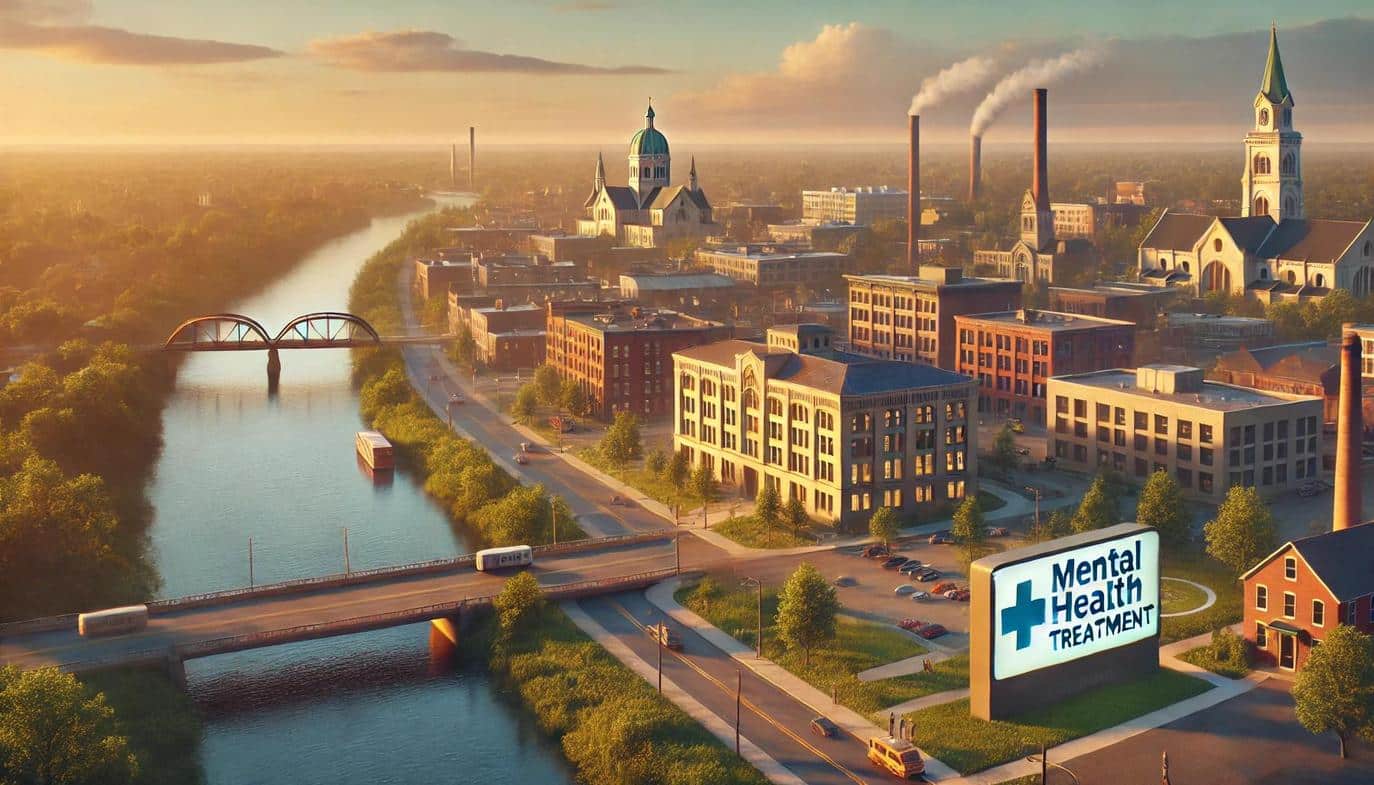
South Bend hugs the St. Joseph River in northern Indiana, where Notre Dame is located and residents still wave to their neighbors by name. This medium-sized city contends with unique stressors: economic turbulence, harsh weather patterns, and healthcare gaps that impact mental wellness. Local treatment centers, however, are responding with targeted programs designed to address the specific issues this community faces.
Depression and addiction manifest uniquely in each person, so a standardized approach is seldom effective. A mental health rehab center considers each person’s situation, including work pressures, family responsibilities, financial limits, and personal goals.
It offers regular medical supervision, organized therapy sessions, and the opportunity to connect with others who share similar experiences. The result is a more complete form of support compared to occasional appointments alone.
What Sets Quality Treatment Apart
Three factors differentiate great care from mediocre care: experienced staff, diverse treatment methods, and solid aftercare coordination. You need experienced clinicians who have successfully treated cases similar to yours, not inexperienced staff. Effective programs incorporate proven techniques like CBT and DBT alongside traditional counseling and will arrange your outpatient follow-up well before your discharge.
Levels of Care You’ll Encounter
Treatment intensity is structured to shift based on your specific circumstances. Clinicians structure programs in different levels of care to provide the right amount of support for your needs.
- Medical Detox: Manages withdrawal under 24/7 physician care so you are not suffering alone.
- Residential Options: Keep you in-house for one to three months with round-the-clock clinical support.
- Partial Hospitalization Programs (PHP): Allow you to sleep at home while attending a full-day treatment schedule.
- Outpatient Care (OP/IOP): Fits around your work or school commitments with sessions scheduled during evenings or weekends.
An assessment will determine which level of care provides the best starting point for your recovery.

Evaluating South Bend’s Top Rehab Centers
Treatment facilities are not all equal, and selectivity is crucial. The best rehab centers South Bend offers possess distinct qualities that separate them from subpar alternatives.
Key Markers of a Quality Facility
Joint Commission accreditation matters; under 20% of treatment centers achieve this prestigious benchmark. Verify they take your insurance coverage and provide financing for whatever gaps remain.
Staff Credentials Matter More Than You Think
You wouldn’t trust a plumber to rewire your house, right? Yet countless people never question staff qualifications before committing to treatment.
Superior facilities staff licensed psychiatrists, board-certified addiction medicine specialists, and therapists holding master’s degrees or higher. They keep patient-to-clinician ratios low so you receive genuine, individualized attention.
Treatment Approaches That Actually Work
Generic programs fail because your situation differs from everyone else’s. Reputable facilities build customized treatment roadmaps that adapt as you make progress.
They merge established therapies with innovative approaches like EMDR for trauma processing or medication-assisted treatment tackling opioid dependency.
Top-tier programs also incorporate wellness elements, mindfulness practice, expressive arts, and nutrition guidance to support a comprehensive recovery.
Specialized Rehab Programs for Diverse Needs
Dual Diagnosis: Treating Co-Occurring Disorders
Addiction treatment South Bend providers increasingly acknowledge that mental health and substance abuse usually travel together. Dual diagnosis programming tackles both conditions simultaneously instead of treating them in isolation. Such a combined strategy produces superior lasting results because you’re not merely achieving sobriety. You are also developing skills to handle the underlying anxiety or depression that fueled your substance use initially.
Youth and Teen Programs
Teenagers can’t just participate in adult therapy groups and magically improve. Developing brains function differently; teens navigate distinct social minefields and require developmentally appropriate language and activities.
Effective adolescent programs integrate educational support so students don’t lose academic ground. These programs also engage families because parents desperately need strategies for supporting their child’s recovery at home.
Gender-Specific and Cultural Considerations
Women carrying trauma histories frequently feel safer within women-only settings where they can share experiences without male observers. Men might express themselves more freely in male-centered groups where vulnerability doesn’t invite judgment.
LGBTQ+ folks require affirming treatment from counselors trained in gender identity complexities. And for South Bend’s expanding Latino community, Spanish-language services aren’t optional extras; they’re fundamental for meaningful healing.

Comparing Treatment Options Side by Side:
| Features | Inpatient/Residential | Partial Hospitalization | Intensive Outpatient | Standard Outpatient |
|---|---|---|---|---|
| Time Commitment | 24/7 on-site (30-90 days) | 5-7 hours daily, 5-7 days/week | 3-4 hours daily, 3-5 days/week | 1-2 hours weekly |
| Best For | Severe symptoms, safety risks | Need structure but stable housing | Transitioning from residential | Maintenance, ongoing support |
| Work/School | Cannot maintain during treatment | Limited flexibility | Can work around schedule | Minimal disruption |
| Insurance Coverage | Often covered after deductible | Usually covered | Typically covered | Most covered |
Navigating Aftercare and Insurance for South Bend Mental Health Services
After you finish primary treatment, aftercare becomes your essential support system. Local mutual support groups gather regularly across the region.
Community mental health clinics provide income-based counseling for residents lacking insurance. Alumni networks from your treatment facility keep you plugged into peers who truly get what you’re going through.
You will want to confirm specific details: Does your policy demand prior authorization? What’s covered out-of-network? How many residential days will they approve initially?
Most commercial insurance policies cover behavioral health and addiction treatment at equal levels with physical healthcare, meaning comparable copayments and deductibles. Medicaid, which many South Bend facilities accept, delivers extensive coverage.
Your First Step Toward Healing in South Bend
You now understand what quality mental health rehab South Bend delivers, from clinician qualifications to therapeutic methods to continuing care coordination. The primary barrier isn’t locating the ideal facility; it’s making the initial call for help.
Every person in recovery started precisely where you may be standing now, questioning if change was possible. They placed the call and committed to the process. This success is evidence that recovery isn’t merely possible; it is unfolding every day throughout South Bend. Your narrative doesn’t conclude with suffering; it’s actually just getting started.

Your Path to Recovery Starts in South Bend
Choosing to seek help is a significant and courageous step. The top rehab centers in South Bend provide a structured sanctuary for genuine healing, moving beyond basic treatment. Dedicated professionals, proven therapeutic methods, and robust aftercare planning equip these facilities to support you through every stage of your recovery process. You don’t have to navigate anxiety, depression, or addiction alone when expert care is available right here in our community.
Recovery is a personal process, but it unfolds every day across South Bend. Committing to a program that understands your unique needs creates the framework for lasting wellness and a more hopeful future. The right support system is available to help you move forward. Your narrative does not have to be defined by suffering; it can be redefined starting today.
Answering Common Questions About South Bend Rehab Centers
How much does treatment cost in South Bend without insurance?
Residential programming generally costs $10,000-30,000 per month, though numerous facilities calculate fees on sliding scales tied to income. Community mental health organizations deliver affordable or no-cost services, and state-subsidized programs exist for eligible individuals.
Can I keep working during outpatient treatment?
Absolutely. Intensive outpatient programs deliberately schedule sessions during evenings or weekends so you can maintain employment. Standard outpatient demands just a couple hours weekly, creating barely any work interference.
What happens if I relapse after completing treatment?
Relapse isn’t failure; it’s frequently part of the recovery process. Reach out to your treatment team right away for reassessment. You may benefit from a short residential episode or can increase intensity to more structured outpatient care while preserving your daily routine.


