
Stainless steel cookware is prized in kitchens for its durability and professional look. Yet, nothing diminishes that appeal faster than the stubborn streaks and water spots that appear after washing. This common frustration can make even high-quality pans look dull and poorly maintained. The good news is that achieving a flawless, streak-free shine is not about vigorous scrubbing but about understanding the right techniques for cleaning and drying.
Essential Cleaning Techniques
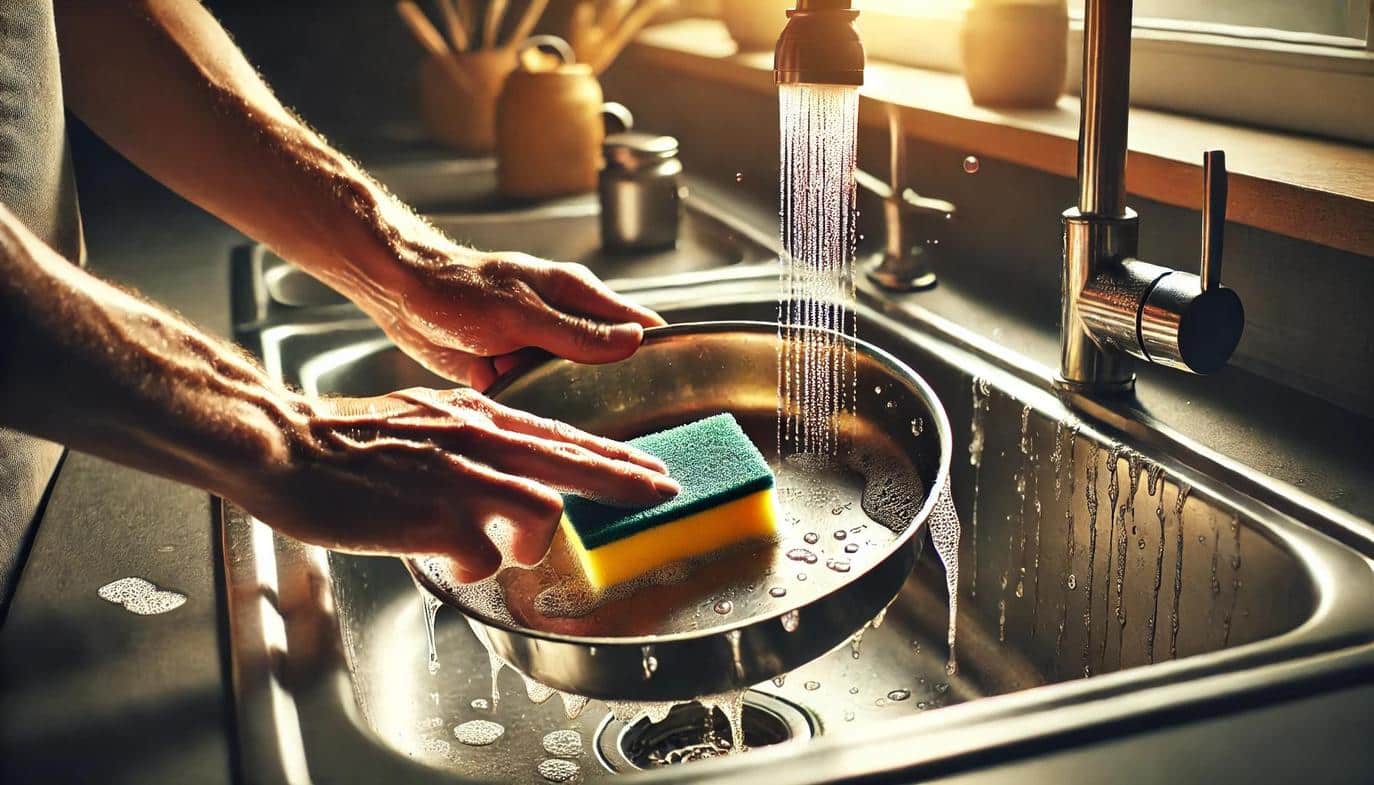
Always use a non-abrasive sponge with warm, soapy water to clean your stainless steel. Harsh scrubbers can scratch the surface, creating grooves that trap food residue and lead to streaks. Gentle circular motions with a mild soap will protect the cookware’s natural shine.
Rinsing thoroughly is also critical. Soap residue is one of the most common causes of streaks. Rinse the entire pot or pan with hot water to ensure all detergent is removed. A single rinse is often not enough; inspect the cookware closely to make sure no suds remain on the surface.
The Importance of Proper Drying
The drying method you choose can make a significant difference. While air drying is easy, it often leaves water spots and streaks caused by mineral deposits from hard water. To avoid this, hand-dry your stainless steel cookware immediately after washing with a clean, lint-free cloth, such as a microfiber towel.
Using a circular motion to dry and polish the surface will enhance its natural shine. This extra step not only prevents streaks but also keeps your cookware looking professional. A consistent drying routine is essential for maintaining spotless stainless steel.
Managing Temperature to Prevent Damage
Temperature fluctuations during cleaning can damage the surface of your stainless steel. Plunging a hot pan into cold water can cause warping, discoloration, or streaking. Always allow your cookware to cool to a warm temperature before washing to prevent this type of damage.
For stubborn, stuck-on food, you can deglaze the pan by gently heating it with a small amount of water to loosen food particles. This simplifies the cleaning process and reduces the need for harsh scrubbing. Proper heat management will keep your stainless steel functional and attractive for years.

Choosing the Right Cleaning Products
Cleaning products also affect the end appearance of the stainless steel. While dishwashing liquid is effective, many households also use dishwasher pods or dishwasher tablets, as they are often better at cleaning while also being more convenient. These can clean well in machines, but they may leave streaks if the rinse cycle is not thorough. When using these products, it is best to ensure the dishwasher has a proper rinse and dry setting.
For stubborn streaks or discoloration, a simple paste made of baking soda and water is an excellent solution. This natural cleaner is nonabrasive and will not scratch the metal. While commercial stainless steel cleaners are also available, they should be used sparingly to avoid residue buildup, as the goal is to remove residue, not add more.
Simple Habits for Lasting Cookware
Preventive habits are the easiest way to maintain your cookware. To avoid scratches, never overload the sink or dishwasher; giving each item enough space prevents pots and pans from knocking against each other.
Another useful practice is to designate specific microfiber cloths just for drying your stainless steel. Towels used on other surfaces can transfer oils or lint that cause streaks. A consistent and careful cleaning routine is the key to ensuring your cookware looks shiny and new after every wash.

Achieving a Lasting Shine
Maintaining streak-free stainless steel pots and pans does not require sophisticated measures. With proper cleaning, immediate drying, careful temperature control, and the wise selection of products, your cookware can look as lovely as the day you bought it.
Consistent habits are the key to preserving the appearance and function of your stainless steel. By following these simple practices, you can ensure your cookware remains an appealing and effective part of your kitchen for years to come.
Common Stainless Steel Cleaning Questions
Why do my stainless steel pans get cloudy or streaky?
Streaks and cloudiness on stainless steel are often caused by mineral deposits from hard water left behind during air drying or from soap residue that wasn’t fully rinsed off.
Is it safe to use baking soda to clean stainless steel?
Yes, a paste made from baking soda and water is a safe and effective natural cleaner for stainless steel. It is non-abrasive and works well on stubborn spots or discoloration without scratching the surface.
Can I wash my stainless steel pans in the dishwasher?
While many stainless steel pans are dishwasher-safe, handwashing is often recommended. Dishwasher detergents can be harsh, and the high-heat drying cycles can sometimes lead to spotting or streaks if not rinsed properly.


