
Researchers have now crafted a unique surfactant spray that neutralizes mosquitoes’ innate water-repellent capabilities, promising a pioneering solution to control mosquito populations without resorting to toxic insecticides. With the goal of curtailing the spread of mosquito-borne diseases, this development could contribute considerably to public health.
As prime vectors of lethal diseases such as malaria, dengue fever, Zika virus, and Japanese encephalitis, mosquitoes pose ominous threats to global health. Furthermore, climate change and urbanization have only served to amplify mosquitoes’ range, enabling them to infect even more individuals. Yet traditional insecticides that are often used to curb their populations can pose health risks to humans, putting investigators on the hunt for safer alternatives.
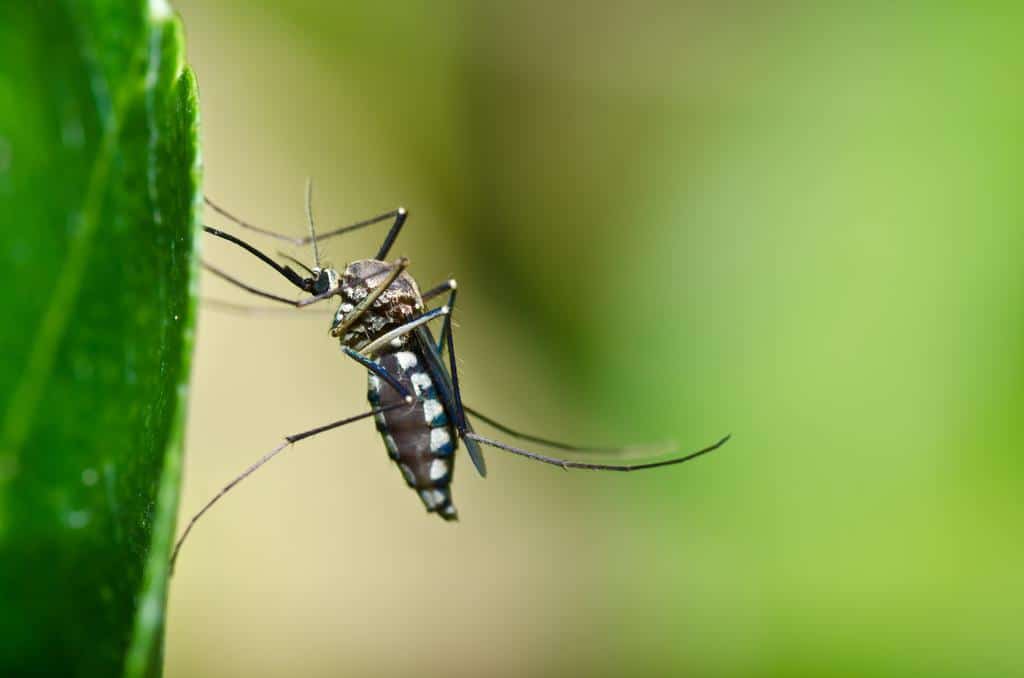
Researchers have now exploited the mosquito’s own physiology to find an intelligent solution. A mosquito’s body and wings are covered in micro- and nano-scale structures that strongly repel water, a characteristic known as being hydrophobic. This attribute, along with a wax-like covering, allows water droplets to simply roll off their bodies.
Researchers at Kao Corporation’s Personal Health Care Products Research Laboratory and Material Science Research Laboratory, who were previously successful in employing silicone oil in controlling mosquitoes, have further expanded on this technology. They focused on creating a surfactant—a substance that can decrease the surface tension of fluids—that could effectively dampen the body and wings of these insects and manipulate their flight.
Surfactants boast both hydrophobic (water-repelling) and hydrophilic (water-attracting) components and are commonly found in cleaning agents and cosmetics. Informed by prior studies that successfully utilized surfactants on houseflies, Kao researchers sought to implement similar methods on mosquitoes, selecting surfactants known to be safe for human contact.
Contrary to simply applying water, which mosquitoes shook off unphased, deploying an aqueous surfactant solution had a major impact. It dampened the mosquitoes’ wings and immobilized them.
Researchers then turned their attention to the insect’s body, specifically its spiracles—small openings for respiration. Using a low surface tension solution, they found that not only did it cause the mosquitoes to fall, but it also effectively blocked their spiracles. Without oxygen, the mosquitoes died, making them easy prey for ants and spiders.
The researchers suggest that this tactic could serve as an excellent alternative to traditional insecticides. Remarkably, they also posit that mosquitoes are unlikely to develop resistance against the surfactant solution.
“We envision spraying these solutions using sprayers and sprinklers,” the researchers noted. No doubt, the application of surfactants offers a compelling measure for mosquito control that can likely bypass the issue of insecticide resistance, thereby effectively and safely combating the mosquito menace. The findings were published in the widely acclaimed journal Scientific Reports. They also released a video illustrating the potency of the spray in subduing mosquitoes. Another emerging non-chemical technology is the Photon Matrix laser mosquito killer, which targets mosquitoes with LiDAR-guided lasers instead of sprays.


