
Maintaining a well-balanced, healthy diet is vital for eye health and may lower your risk of developing eye diseases. People commonly assume that declining vision is an unavoidable consequence of aging or eye strain. In truth, antioxidant-rich meals – packed with vitamins, nutrients, and minerals – can help you avoid serious eye problems. These antioxidants fight oxidants that might harm your health.
Your eyes require various types of antioxidants to be healthy. Among them are:
- Vitamins A, C, and E
- Beta-carotene
- Lutein
- Copper
- Zeaxanthin
- Omega-3 fatty acids
- Zinc
A healthy diet may help you avoid the following eye conditions:
- Glaucoma
- Age-related macular degeneration (AMD), which can limit your eyesight
- Cataracts, which cause hazy vision
- Poor night vision, also known as nyctalopia or night blindness
- Dry eyes

A well-balanced diet should comprise a mix of proteins, dairy products, fruits, and vegetables. Try to eat a rainbow throughout the day, combining various foods in a range of hues. Importantly, processed meals, saturated fats, and sugary foods should be avoided or consumed in moderation.
Here are eleven foods that are great for your eyes.
1. Fish
Omega-3 fatty acids are plentiful in many fish. Omega-3 fatty acids can aid vision development and retina health in the rear of the eye. They can also help prevent dry eyes. Some trials have demonstrated that fish oil can reverse dry eye, including dry eye caused by too much computer use.
Oily fish have oil in their body tissue and gut; therefore, they provide more omega-3-rich fish oil than other types of fish. The fish with the highest omega-3s levels include:
- Salmon
- Sardines
- Trout
- Mackerel
- Herring
- Tuna
- Anchovies
Consider including fish in your weekly menu a few times. Choose wild-caught fish over farm-raised salmon when purchasing salmon. Why? Because farm-raised salmon contains more saturated fat and fewer omega-3s than wild-caught salmon.

2. Nuts and Legumes
Omega-3 fatty acids are abundant in nuts as well. Nuts are also a rich source of vitamin E, which can protect the eyes from damage induced by aging.
Many nuts and legumes are beneficial to eye health, including the following:
- Almonds
- Walnuts
- Brazil nuts
- Cashews
- Peanuts
- Pistachios
- Lentils
- Lima beans
- Chickpeas
- Black-eyed peas
- Kidney beans

3. Seeds
Seeds, like nuts and legumes, are a rich source of omega-3s and vitamin E. Omega-3-rich seeds include:
- Flax seeds
- Hemp seeds
- Chia seeds

4. Citrus Fruits
Vitamin C is plentiful in citrus fruits. Vitamin C is an antioxidant that the AOA recommends for preventing age-related vision loss.
Citrus fruits high in vitamin C include:
- Oranges
- Grapefruits
- Lemons

5. Leafy Green Vegetables
Leafy green vegetables are high in lutein, zeaxanthin, and vitamin C, which are healthy for the eyes.
The following are some popular leafy greens:
- Kale
- Collards
- Spinach

6. Carrots
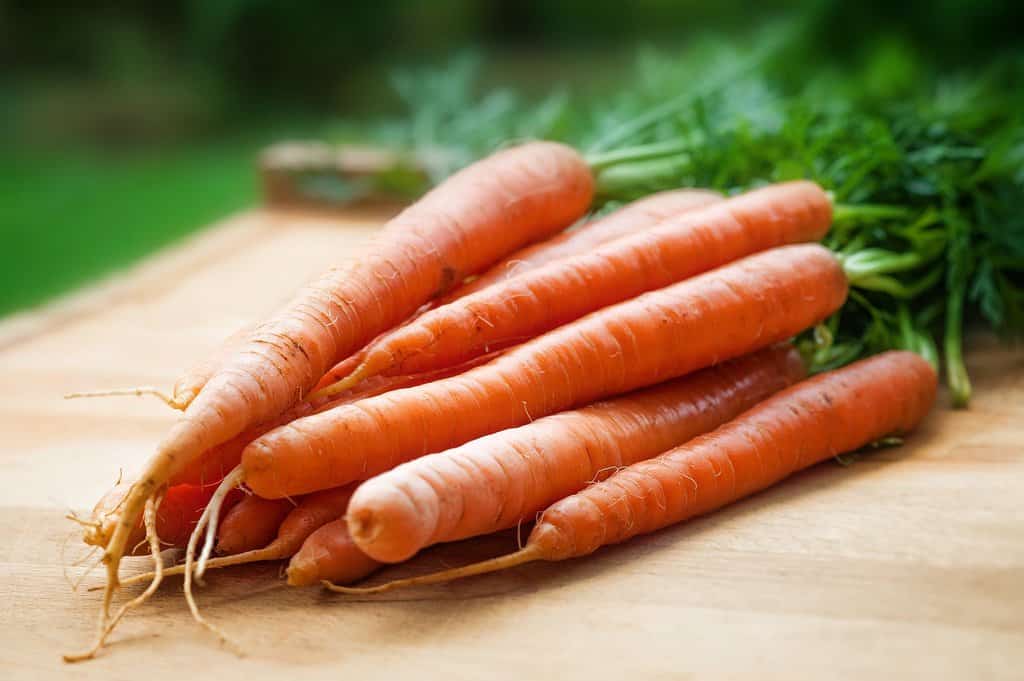
Carrots are a great source of beta carotene, and Vitamin A. Carrots get their orange hue from beta carotene. Vitamin A is necessary for good vision. It is a part of the rhodopsin protein, which aids in the absorption of light by the retina. Although the body requires beta-carotene to produce vitamin A, research on its significance in vision is mixed.
7. Sweet Potatoes
Sweet potatoes are also high in beta-carotene. As a result, they’re also a great source of vitamin E, among other beneficial nutrients.

8. Beef
Zinc-rich beef has been associated with improved long-term eye health. Zinc can help prevent macular degeneration and age-related vision loss. Interestingly, the retina and vascular tissue surrounding the retina have significant quantities of zinc. Furthermore, zinc is found in pork loin and chicken breast, albeit in smaller levels than in beef.

9. Eggs
Eggs are a terrific source of nutrients for eye health. The yolks contain zeaxanthin, vitamin A, lutein, and zinc, which are all critical for eye health. Vitamin A protects the cornea and the eye’s front surface. Lutein and zeaxanthin reduce the risk of significant eye diseases such as cataracts and AMD. Zinc is beneficial to the retina’s health. The rear of the eye is the retina. Zinc also aids vision at night. Vitamins C and E are also abundant in eggs.

10. Dairy
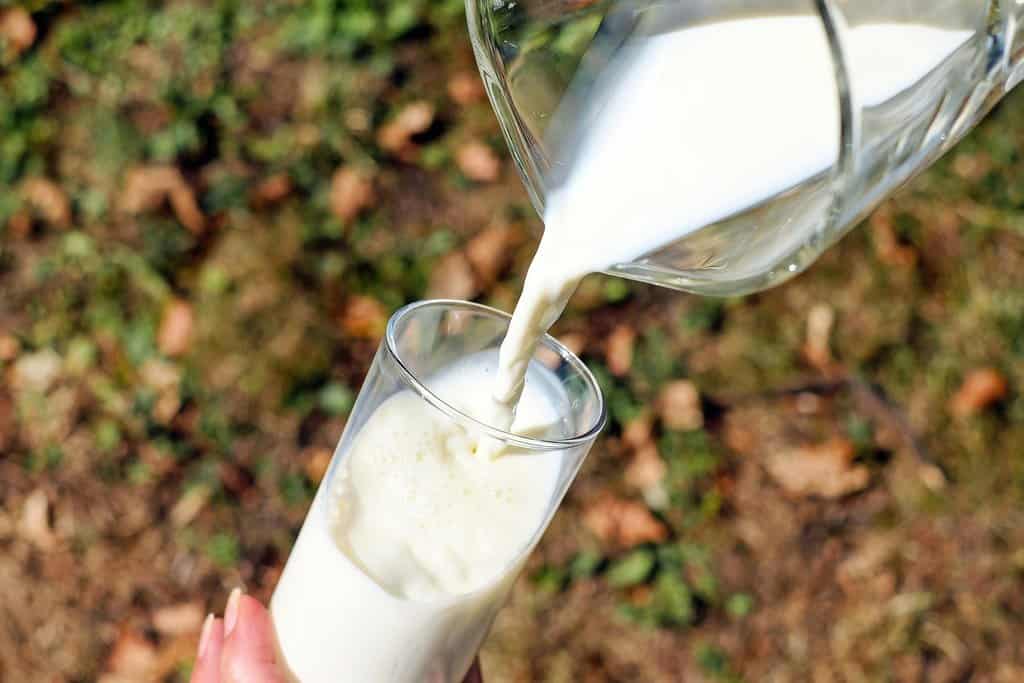
Milk and yogurt are dairy products that are healthy for the eyes. They contain zinc and vitamin A. However, the most beneficial dairy comes from grass-fed cows. You can consume dairy at any time of day. Drink a glass of milk with your lunch, or use it in tea, coffee, or breakfast cereal. Yogurt is a nutritious breakfast or snack alternative.
11. Water
Water is crucial for eye health. This should come as no surprise since water is essential to life. Drinking lots of water can help prevent dehydration and alleviate dry eye symptoms.

Recommended Daily Intake
The AAO’s current daily recommendations for healthy eye nourishment to delay the course of eye disease are as follows:
- 2 milligrams (mg) of zeaxanthin
- 2 mg of copper oxide
- 10 mg lutein
- 80 mg of zinc oxide
- 400 international units of vitamin E
- 500 mg of vitamin C
Worst Foods for Your Eyes
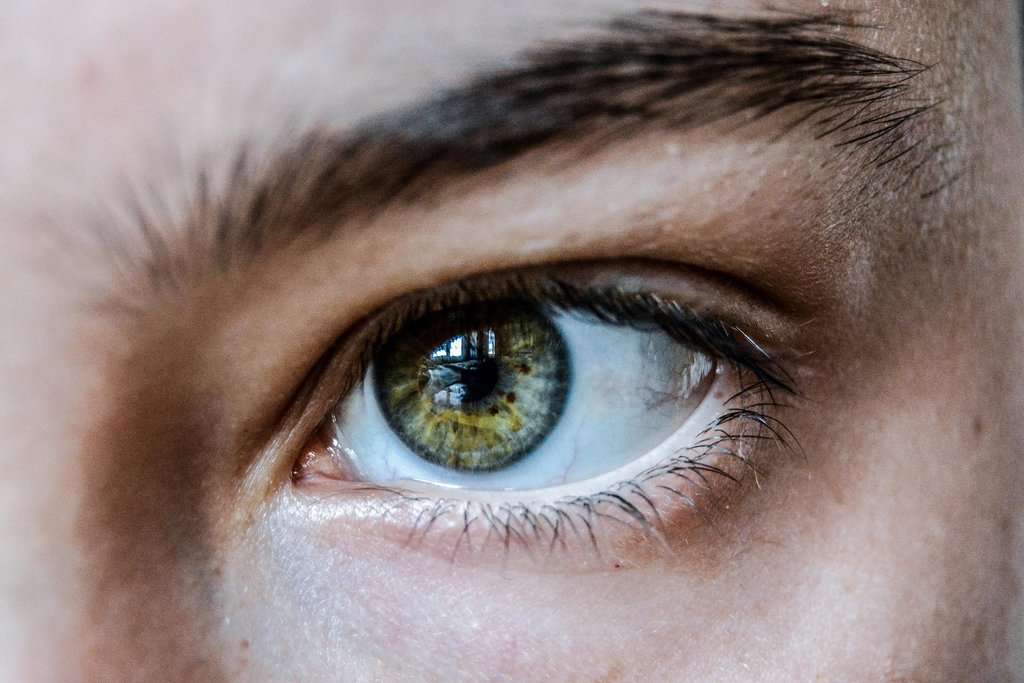
Unfortunately, roughly 250 million people worldwide suffer from mild to severe vision loss. Your eyes’ health is inextricably linked to the health of your heart and blood vessels. What you consume can have a long-term effect on your cardiovascular health and vision. While eating antioxidant-rich foods can help you avoid serious eye problems, consuming unhealthy meals can harm your eyes. The following are the ten worst foods for your eyes.
1. Pasta and Bread
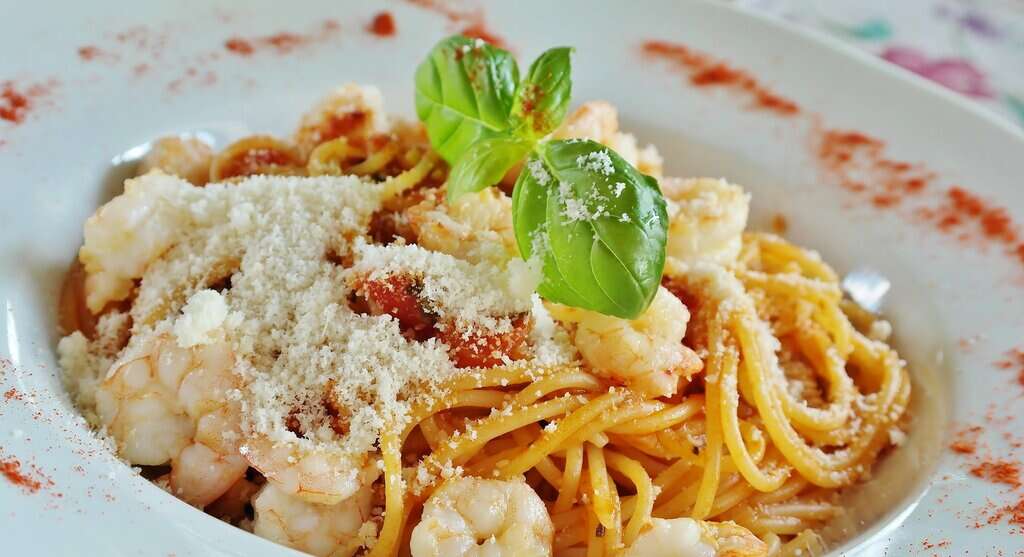
Simple carbs, such as those found in pasta and white bread, have been associated with an increased risk of AMD, a primary cause of visual loss in older people. The reason is that this kind of carb is quickly digested by your body, creating a blood sugar spike. Health experts recommend substituting whole-grain pasta and bread for white to avoid this.
2. Processed Meats
Bacon, hot dogs, and deli meats are loaded with sodium. This salt overload can result in elevated blood pressure (hypertension) and may cause the following:
- Neuropathy – an obstruction of blood flow that kills nerves and leads to vision loss.
- Hypertensive retinopathy – blood vessel damage that causes vision loss or blurred vision.
- Choroidopathy – a buildup of fluid under the retina.
Limit your sodium intake to 2,300 mg or less per day.
3. Fried Foods
Trans-fat-rich, deep-fried foods elevate LDL (“bad”) cholesterol levels, contributing to stroke, type 2 diabetes, and heart disease. They also produce chemicals known as free radicals, which can harm or kill cells. All of this is linked to AMD and diabetic retinopathy.
To fight free radicals, eat vitamin C-rich fruits and vegetables, including citrus fruits, tomatoes, and red bell peppers.

4. Cooking Oils
A landmark study from three decades ago connected too much linoleic acid, an unsaturated fat, to an increased risk of AMD. It can be found in the following cooking oils:
- Soybean
- Safflower
- Sunflower
- Sesame
- Corn
Health experts recommend cooking oils with fewer than 4 grams of saturated fat per tablespoon. Avoid those that include hydrogenated oils or trans fats.
5. Margarine
Margarine contains unsaturated “healthy” fats because it is prepared with vegetable oils. Overall, it might be a healthier alternative to butter. However, some margarine contains trans fat, which elevates cholesterol levels and increases the risk of heart disease and vision difficulties. The higher the trans fat content of margarine, the more solid it is. Use a spread or a liquid instead of a stick. Look for brands with no trans fat on the label.

6. Ready-to-Eat Foods
Prepackaged meals, such as tomato sauce, soup, and canned items, often contain high levels of sodium, up to 75 % of the recommended daily intake. Reduce your risk of high blood pressure and related eye problems by eating fewer of these foods. Instead, look for “no salt added” or “low sodium” versions of your favorite meals when shopping. For a natural taste boost, add your own spices and herbs.
7. Sugary Drinks
Sports and energy drinks, lemonade, soda, and other sweetened beverages are high in sugar, containing up to ten teaspoons per serving. In the United States, they’re also the leading source of calories and added sugar. Sugar increases your chances of developing heart disease and type 2 diabetes. Diabetic retinopathy and AMD are two disorders that can result from this. Water is the best option for a healthy beverage.

8. Fish and Shellfish
In moderation, most of us have no reason to be concerned about the mercury in fish and shellfish. However, when consumed at high doses and for some groups of people, it can cause significant health issues, including eye impairment. According to health experts, pregnant women, people who are breastfeeding or may become pregnant, and children should consume 8-12 ounces of fish and shellfish per week.
The following fish are known to have the highest mercury levels:
- Swordfish
- King Mackerel
- Shark
- Tilefish (Gulf of Mexico)
- Bigeye Tuna
- Chilean Sea Bass
- Orange Roughy
- Marlin
9. Alcohol
While alcohol is not a meal, it is something you put into your body that has been linked to eye illness by specialists. For example, too much alcohol can lead to cataracts, a common condition that forms a clouded spot in your eye lens at a younger age.
10. Caffeine
Caffeine in your morning coffee or tea may increase intraocular pressure (IOP) or the pressure inside your eye. According to some studies, caffeine increases this pressure in people with ocular hypertension (OHT) or glaucoma. Additionally, a high IOP might result in vision loss and blindness.
Eye Health Warning Flags
The following are some signs that a person may be having visual problems:
- Visual clarity changes frequently
- Visuals that are warped
- Flashes or floaters in your field of vision
- Peripheral vision impairment
Summary
A balanced diet is critical for eye health. Maintaining an antioxidant-rich diet will help you avoid significant eye diseases and guarantee that your eyes perform at their best. Every day, try to consume a variety of whole, unprocessed foods. If you have problems with your eyes, see your doctor right away because early treatment can prevent more severe disorders from developing.
Eye Care Advice
To maintain healthy eyes, you must take care of them regularly. However, there are other ways to maintain eye health aside from eating eye-healthy foods. Among them are:
- Wearing sunglasses when outside.
- Cleaning your hands before applying contacts.
- Wearing contacts only for the time recommended by the doctor or manufacturer.
- Avoiding smoking.
- Wearing protective eyewear when participating in sports, home projects, hobbies, or work-related activities.
- Managing blood sugar.
- Maintaining a healthy weight.
- Protecting eyes from computer-related eye strain by gazing away from the computer for 20 seconds every 20 minutes at something 20 feet away.
- Visit an eye doctor every one to two years.


