
The significance of sustainability in business operations continues to grow as companies seek to reduce environmental impact and enhance energy efficiency. A crucial aspect of any corporate sustainability strategy is the choice of roofing materials.
As the first line of defense against weather elements, roofs play a crucial role in protecting the building’s structure while influencing energy usage. This article explores various roofing options suitable for commercial buildings, focusing on their:
- Sustainability benefits
- Cost-effectiveness
- Performance in different climates
Understanding Commercial Roofing Options
Selecting the appropriate roofing system is important for businesses aiming to implement sustainable building practices. There are several types of commercial roofs, ranging from built-up roofing to green roofing. Each option presents unique characteristics and benefits tailored for different business needs. Built-up roofing is often made using multiple layers of materials, providing durability alongside water resistance. It suits buildings that require a strong and long-lasting roofing system, but it can be heavy and may require additional structural support.
Metal roofing, another popular choice, is recognized for its longevity and resistance to weather conditions. This type of roof reflects sunlight to keep buildings cooler and lower energy consumption, while its recyclable nature contributes directly to sustainability goals.
Green Roofing: A Sustainable Alternative
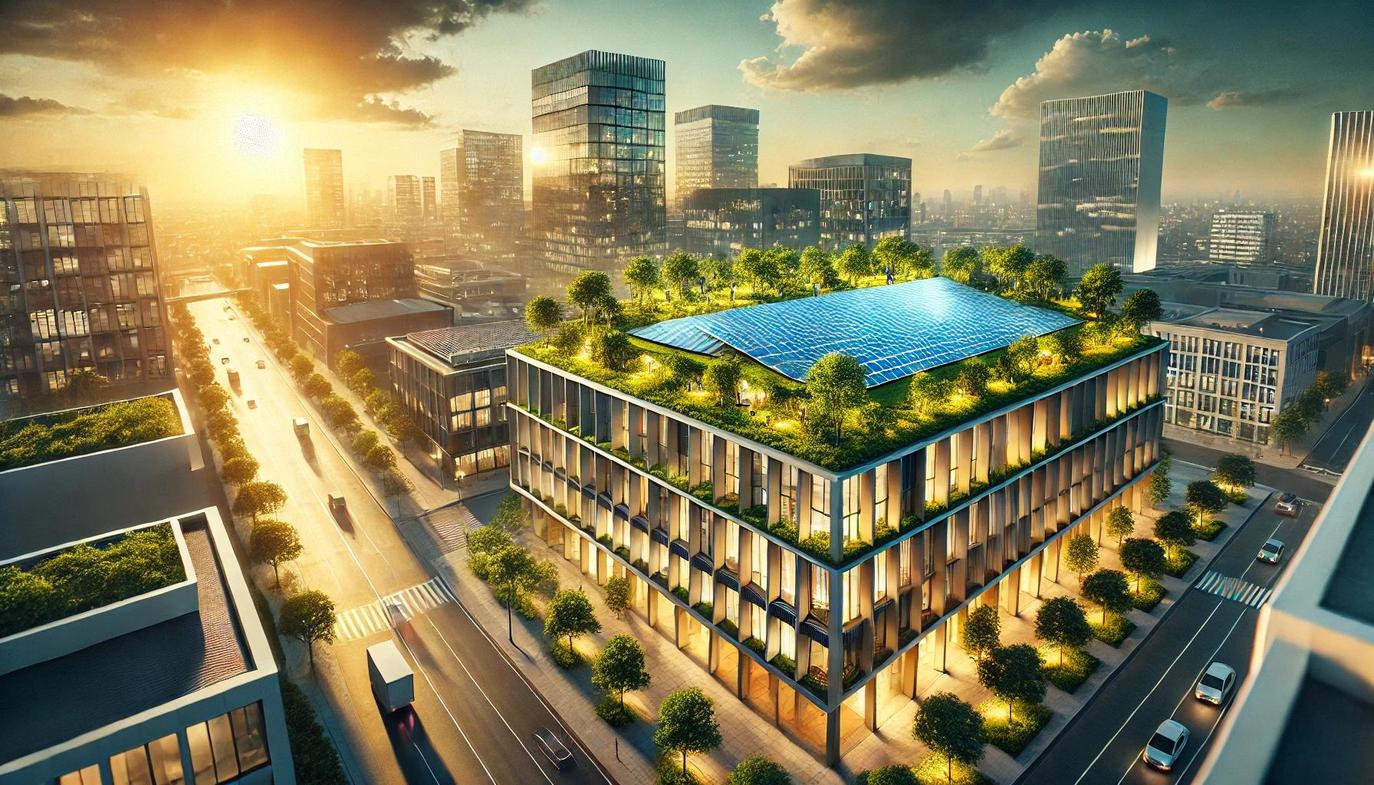
Green roofs, also known as living roofs, have gained traction as an innovative solution for environmentally conscious businesses. Designed to support vegetation, these roofs create a natural habitat and offer insulation benefits. Green roofs capture rainwater, decreasing runoff and minimizing the risk of flooding.
The layered soil and vegetation provide added insulation, which can significantly reduce heating and cooling costs for businesses. Research has shown that buildings with green roofs can experience up to a 40% reduction in energy needs, making them an attractive option for businesses mindful of their carbon footprint. Green roofs improve air quality and foster biodiversity by creating spaces for wildlife in urban settings.
Scrutinizing Energy Efficiency: Solar Roofing
Solar roofing represents another promising avenue for businesses looking to enhance sustainability. This type of roofing integrates photovoltaic panels into the building’s structure, converting sunlight directly into energy. Solar roofs can significantly reduce utility bills by utilizing renewable energy, providing both long-term financial and environmental benefits.
Implementing a solar roofing system boosts a company’s sustainability credentials while simultaneously increasing its energy independence. The dual function of a roof, protecting the building and generating energy, makes solar roofing increasingly appealing. As technology advances, the efficiency of solar panels continues to improve, reducing the cost of solar energy significantly. For businesses aiming for net-zero emissions, this option is particularly compelling.
Beyond direct cost savings, solar roofing can make the investment even more attractive by qualifying businesses for:
- Tax credits
- Government rebates
- Other green energy incentives
Integration with energy storage systems allows companies to store excess energy for use during non-sunny periods, enhancing reliability.
Proper installation and maintenance are important to maximize performance and lifespan. Solar roofing contributes to reducing the carbon footprint, aligning with corporate social responsibility goals. As awareness grows, adopting solar roofing can improve public perception and customer loyalty by showcasing a commitment to green energy.

Insulation Quality and Material Selection
The effectiveness of a roofing system is not solely about the exterior materials; insulation is just as critical. Insulation helps manage indoor temperatures and contributes to energy efficiency. Businesses should prioritize insulation options like spray foam or rigid foam boards, which offer excellent R-values, meaning they resist heat flow effectively.
Using high-quality insulation materials can result in a significant reduction in both heating and cooling costs. For many businesses, this translates to reduced expenses over time while simultaneously decreasing their environmental footprint.
Proper insulation enhances the work environment in several ways:
- It improves occupant comfort by maintaining consistent indoor temperatures.
- It plays a key role in noise reduction, which is critical in busy commercial areas.
- It can contribute to fire resistance and moisture control, adding safety and durability.
When paired with reflective roofing membranes, insulation can further improve thermal performance. Taking the time to evaluate insulation options based on climate, building design, and long-term goals can lead to better performance and a higher return on investment.
Roof Maintenance: A Key to Longevity
Regular roof maintenance is crucial for sustaining the integrity of commercial roofing systems. Depending on the materials used, maintenance requirements can vary greatly. Flat roofs require more frequent inspections and cleaning to prevent debris buildup and water pooling, which can lead to leaks.
Establishing a consistent maintenance schedule helps ensure solutions are applied early, preventing small issues from escalating into significant damage. By investing in regular roof inspections and prompt repairs, businesses can prolong the life of their roofs, prevent costly damage, and avoid unnecessary waste.
Neglecting routine maintenance can result in costly emergency services and even temporary business closures. Scheduled upkeep ensures compliance with warranty terms, which often require documented care. Incorporating seasonal checks, especially after extreme weather, can help spot issues like cracked flashing or membrane damage.
Trained professionals can assess drainage systems to ensure they function properly and reduce long-term structural risks. A proactive approach to roof maintenance protects both the building and the business it supports.

Final Verdict: The Value of Sustainable Commercial Roofing
When choosing roofing options, businesses need to weigh their priorities, the initial costs, longevity, sustainability, and energy efficiency. Each roofing type has distinct pros and cons. It’s wise to consult with professionals who can provide expert recommendations based on specific business needs and local climate factors. Complexities surrounding commercial roofs can be daunting, but understanding the various options and their long-term benefits can empower businesses to make informed decisions.
Beyond materials and cost, be sure to evaluate the following:
- The ease of future maintenance
- Comprehensive warranty coverage
- The potential for future upgrades or retrofitting
Some systems offer better compatibility with solar panels or green roofing elements, which may support environmental goals. Evaluating how a roofing system integrates with drainage, insulation, and ventilation is critical. Don’t overlook local building codes and regulations, which may limit or influence certain choices.
Choosing the right roofing option can bolster a business’s sustainability efforts, contribute to lower operating costs, and positively impact the environment. Emphasizing sustainability enhances corporate responsibility and improves a company’s standing within its industry. Through careful selection and strategic planning, businesses can effectively build a foundation of sustainability from the top down.
Frequently Asked Questions About Sustainable Roofing
What is the most energy-efficient commercial roofing option?
Green roofs and solar roofing systems are typically the most energy-efficient options. Green roofs provide natural insulation, while solar roofs generate renewable energy, both of which significantly reduce a building’s heating and cooling costs.
How does a new roof improve sustainability?
A new sustainable roof improves sustainability by enhancing energy efficiency, reducing a building’s carbon footprint, and often using recyclable materials like metal. Options like green roofs also help manage stormwater runoff and improve local air quality.
Are green roofs a good investment for businesses?
Yes, green roofs can be an excellent long-term investment. While the initial cost may be higher, they can reduce energy consumption by up to 40%, extend the roof’s lifespan, and enhance a company’s corporate social responsibility profile.
What kind of maintenance does a commercial solar roof require?
Commercial solar roofs require regular maintenance to ensure optimal performance. This includes cleaning the photovoltaic panels to remove dirt and debris, inspecting for any damage, and checking the integrity of all electrical connections and mounting systems.


