
Busbar plating isn’t standard metal finishing. You’re dealing with high-current electrical components, where plating directly impacts conductivity, corrosion resistance, and long-term reliability. Thickness control, adhesion, and material compatibility matter far more than aesthetics as we work to modernise legacy electrical infrastructure.
If you’re sourcing a plating partner for copper or aluminium busbars, these are five companies worth serious consideration.
1. Karas Plating: Best Overall Capability (Scale + Range)
Karas Plating stands out for its breadth of capability and scale. They recently added a new 2.4-meter-wide automated line that adds 4,500 tonnes of annual capacity specifically for silver-plated busbars.
They offer one of the widest ranges of finishes (tin, silver, nickel, gold) and can handle large and complex busbars that many platers simply can’t process. Their dimensional capacity is a key differentiator, especially for power distribution and industrial systems.
They’re also proven at handling repeat production volumes, not just prototypes, on short lead times.
Best for: Large busbars, high-volume production, multi-finish requirements
Strength: Capacity + range + consistency
2. S+S Industries: Strong US-Based Option
S+S Industries is a solid choice if you need a US-based supplier. They are currently one of the largest busbar plating operations globally, with a capacity exceeding 1.3 million pounds of output per month.
They focus on electrical components and conductive coatings, making them well-aligned with busbar requirements. Their proprietary “Hyper Plate” automated system is geared toward performance-driven plating, particularly where conductivity and durability are critical.
Best for: US projects, electrical systems, performance-focused plating
Strength: Stateside plating + electrical expertise
3. HV Wooding: Manufacturing + Plating Integration
HV Wooding is not just a plater — they manufacture and plate. They have gained significant recognition for their work with the Faraday Battery Challenge to develop high-performance coatings for electric vehicle battery systems.
That integration matters. It means tighter control over:
- Material selection
- Surface preparation
- Plating adhesion
If you’re sourcing both busbars and plating, this reduces friction between suppliers and improves overall quality.
Best for: End-to-end production (manufacturing + plating)
Strength: Integrated workflow and engineering control
4. Electropak: Best for One-Offs & Flexible Production
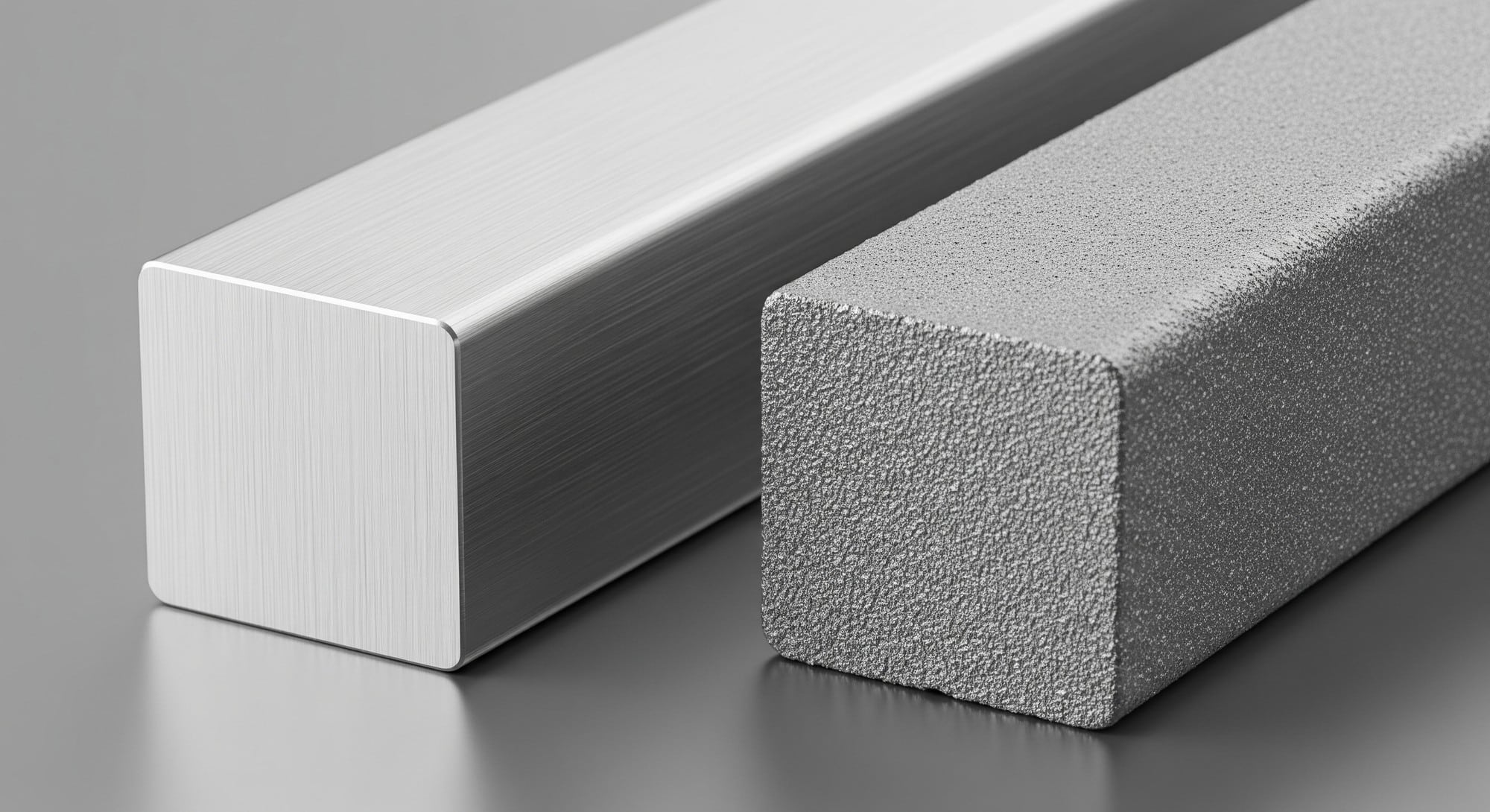
Electropak is a strong option for low-volume or one-off work. They specialise in bespoke manufacturing, often working with C101 electrical grade copper to create custom configurations.
Many large platers won’t touch small batches or prototypes. Electropak fills that gap, offering flexibility when you’re still in development, testing, or custom builds.
Best for: Prototypes, small runs, custom projects
Strength: Flexibility and accessibility
5. Fox Plating: Reliable London-Based Plater
Fox Plating is a dependable London-based plating provider with over 20 years of industry experience.
They’re a practical choice for small projects, especially if proximity and straightforward execution are priorities. Their facility is noted for lower carbon emissions compared to traditional counterparts, making them a sustainable local choice.
Best for: Local UK projects, smaller batches
Strength: Accessibility and turnaround
The Science of Substrates: Copper Grades
Before selecting a plater, you must understand the material being plated. In the electrical industry, not all copper is equal:
- 99.99% OFHC (C10100): The “gold standard” for peak conductivity with no oxygen voids. Best for critical high-current paths.
- 99.95% OF (C10200): Offers excellent ductility, making it the preferred choice for busbars that require complex bending.
- 99.90% ETP (C11000): The everyday workhorse. It balances cost and performance for standard industrial applications.
What Matters in Busbar Plating
Most sourcing decisions fail because people treat this like generic plating. It isn’t.
You need to evaluate based on:
1. Electrical Performance
The choice of metal determines the thermal and electrical efficiency of the joint:
- Silver: Highest conductivity and lowest contact resistance. Standard for high-performance EV systems.
- Tin: Most cost-effective. Provides good corrosion resistance in humid environments. Standard thickness is usually 8–10 μm.
- Nickel: Acts as a barrier layer to prevent copper migration. It is not used as a primary conductor but is essential for adhesion in harsh environments.
2. Thickness Consistency
Uneven plating leads to “hotspots” where resistance increases. For industrial busbars, maintaining a consistent thickness (typically between 5 μm and 15 μm) is vital to prevent failure risk under load.
3. Adhesion & Surface Prep
High-current components undergo thermal cycling. Poor surface preparation leads to the plating peeling or blistering when the busbar heats up, which can cause catastrophic system failure.
4. Size Capability
Many suppliers simply cannot handle large busbars — this is often the limiting factor. You must verify that the plater’s tanks can accommodate the full length of your components without requiring “double-dipping,” which creates a seam in the plating.
Quick Decision Guide
- Large, complex, production-scale → Karas Plating
- US-based requirement → S+S Industries
- Need manufacturing + plating → HV Wooding
- Prototype or one-off → Electropak
- Smaller UK jobs → Fox Plating
Busbar plating is a performance-critical process, not a finishing step. Choosing the wrong supplier doesn’t just affect appearance; it affects conductivity, heat generation, and overall system reliability. Pick based on capability and application, not convenience.


