
Furikake is a popular Japanese seasoning that adds flavor to many dishes. Initially created to address nutritional deficiencies, it has evolved into a beloved condiment used worldwide. Its unique ingredients enhance the taste of rice, seafood, snacks, and even Western cuisine, making it a versatile addition to any kitchen.
Key takeaways:
- Originated in Japan as a nutritional supplement to combat malnutrition.
- The seasoning typically includes ingredients like dried fish, seaweed, sesame seeds, and salt.
- Modern Furikake has various flavors, including wasabi, egg, and curry.
- This seasoning is not just for rice; it can enhance seafood dishes, snacks, and salads.
- Homemade Furikake allows for customization and avoids additives found in commercial versions.
Historical Origins and Evolution of Furikake
Early Uses in Japanese Cuisine
A beloved Japanese rice seasoning, it has a rich history of over 12 centuries. Initially, the concept involved flakes made from salted dry fish, such as salmon and sharks, to enhance food flavor. This early form was a simple yet effective way to add taste to bland dishes.
Development As a Nutritional Supplement
The modern version emerged during the Taisho era (1912-1926). During this period, Japan faced significant nutritional deficiencies, particularly in calcium. Suekichi Yoshimaru, a pharmacist from Kumamoto, sought to address this issue by creating a seasoning blend that included ground fish bones, roasted sesame seeds, and poppy seeds. This mixture, known as “Gohan no Tomo” or “Friend of Rice,” was designed to supplement the diet with essential minerals and quickly gained popularity.
Modern Commercialization and Popularity
Despite its initial success, Gohan no Tomo was not widely affordable. This changed in 1948 when Nissin Foods began mass-producing a similar product to combat malnutrition. By 1959, the term “Furikake” was officially adopted, and the seasoning became a staple in Japanese households. It is available in myriad flavors and variations, reflecting traditional and modern culinary influences.

Core Ingredients and Flavor Profiles
Traditional Components
Furikake, a beloved Japanese seasoning, traditionally includes a variety of ingredients that contribute to its unique flavor and texture. The core components often consist of:
- Nori (Seaweed): Adds a salty and umami-rich taste.
- Sesame Seeds: Provide a nutty flavor and crunchy texture.
- Bonito Flakes: Dried fish flakes that enhance the umami profile.
- Salt: Essential for seasoning and preserving the mixture.
- Sugar: Balances the saltiness and adds a hint of sweetness.
Modern Variations
While traditional Furikake remains popular, modern variations have emerged to cater to diverse palates. These include:
- Wasabi: Adds a spicy kick with wasabi powder.
- Shiso: Incorporates shiso leaves for a minty and slightly bitter flavor.
- Egg: Includes dried egg bits for added richness.
- Vegetable: Features dried vegetables like carrots and spinach for a healthier option.
Umami and Nutritional Benefits
Furikake is celebrated not only for its taste but also for its nutritional benefits. The umami flavor, often savory or meaty, is primarily derived from ingredients like bonito flakes and seaweed, rich in naturally occurring glutamates. These components offer several health benefits:
- Calcium and Minerals: Seaweed is a good calcium, iodine, and iron source.
- Protein: Bonito flakes provide a protein boost.
- Antioxidants: Sesame seeds and seaweed contain antioxidants that help combat oxidative stress.
In summary, its blend of traditional and modern ingredients creates a versatile seasoning that enhances the flavor and nutritional value of various dishes.

Culinary Applications Beyond Rice
Enhancing Seafood Dishes
Furikake is not just for rice; it can elevate seafood dishes. For instance, try crusting ahi tuna before searing it. The seasoning adds a delightful crunch and umami flavor that complements the fish’s natural taste. Another popular option is Furikake salmon, which combines the seasoning with mayonnaise and is baked to perfection. This dish is often served with steamed vegetables and rice, making for a balanced and flavorful meal.
Incorporating Into Western Cuisine
Its versatility extends to Western dishes as well. Sprinkle it on avocado toast for a unique twist, or mix it into pasta dishes like spaghetti or lasagna for an unexpected flavor. It can also be used as a seasoning for scrambled or fried eggs, adding a savory depth that transforms a simple breakfast into a gourmet experience. Add this seasoning to popcorn or potato wedges for a snack before baking.
Creative Uses in Snacks and Salads
Furikake can also be a game-changer in snacks and salads. Sprinkle it over a fresh salad to add a layer of umami and crunch. It pairs exceptionally well with ingredients like avocado, edamame, and tofu. Consider using it as a topping for rice cakes or even incorporating it into a homemade trail mix for a quick and tasty snack. The endless possibilities make this versatile seasoning a must-have in any kitchen.

Homemade Furikake: Recipes and Techniques
Classic Gomashio Blend
Creating your own at home can be a rewarding experience. The classic Gomashio blend is a great starting point. Gomashio, a simple mix of toasted sesame seeds and salt is flavorful and easy to make.
Ingredients:
- 1/2 cup white sesame seeds
- 1/2 teaspoon salt
Instructions:
- Toast the sesame seeds in a dry skillet over medium heat until golden brown and fragrant.
- Allow the seeds to cool, then mix them with the salt.
- Store in an airtight container.
Shiso And Katsuobushi Variations
Consider adding shiso leaves and katsuobushi (dried bonito flakes) for a more complex flavor.
Ingredients:
- 1/2 cup white sesame seeds
- 1/2 teaspoon salt
- 2 tablespoons dried shiso leaves
- 1/4 cup katsuobushi
Instructions:
- Toast the sesame seeds as described in the Gomashio blend.
- Crumble the dried shiso leaves and mix them with the toasted sesame seeds, salt, and katsuobushi.
- Store in an airtight container.
Drying And Storage Methods
Proper drying and storage are crucial for maintaining the freshness and flavor.
Drying:
- Spread the mixture evenly on a baking sheet.
- Dry in an oven set to 175°F (80°C) for about 15-20 minutes, stirring occasionally to ensure even drying.
Storage:
- Once fully dried, let it cool to room temperature.
- Store in an airtight container in a cool, dry place.
- For best results, use within a month.
By making your own, you can avoid the additives found in many commercial versions.

Cultural Significance and Global Influence
Furikake In Japanese Daily Life
It is a staple in many households and holds a special place in Japanese daily life. It is often used to enhance the flavor of plain rice. The seasoning’s convenience and versatility make it a popular choice for busy families and individuals. It is common to find it in bento boxes, adding taste and visual appeal to meals. The seasoning is also a favorite among children, who enjoy its varied flavors and textures.
Adoption In International Cuisines
Furikake’s unique blend of flavors has caught the attention of chefs and food enthusiasts worldwide. It has been incorporated into various international dishes, from United States sushi rolls to European fusion cuisine. The seasoning’s ability to add umami and complexity to dishes has made it a sought-after ingredient in gourmet kitchens. Restaurants and home cooks experiment with it to season everything from popcorn to avocado toast.
Impact On Modern Food Trends
The influence of Furikake extends beyond traditional and fusion cuisines. It has become a part of modern food trends, particularly in healthy eating and snack foods. The seasoning is often highlighted in food blogs and social media for its nutritional benefits and flavor-enhancing properties. Additionally, this seasoning has inspired the creation of new products, such as Furikake-flavored snacks and ready-to-eat meals, further cementing its place in contemporary food culture.
Health Implications and Nutritional Value
Calcium And Mineral Content
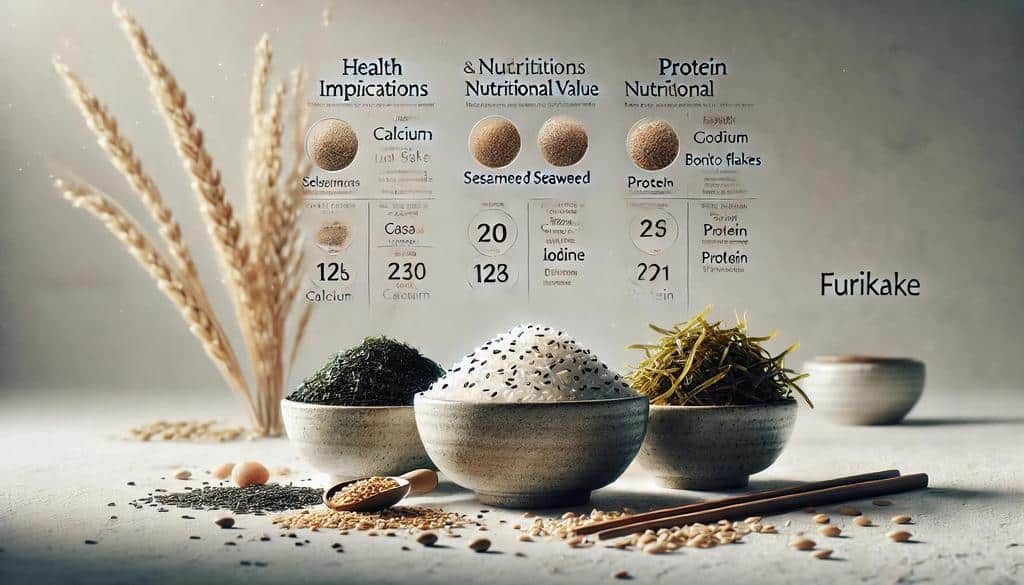
It is a notable source of essential minerals, particularly calcium. A teaspoon can provide a small but significant amount of calcium, which is crucial for maintaining strong bones and teeth. Additionally, it often contains other minerals, such as iron and magnesium, which play vital roles in various bodily functions.
| Nutrient | Amount per Teaspoon |
|---|---|
| Calories | 18 |
| Sugar | 0.1 g |
| Sodium | 48.9 mg |
| Fat | 1.5 g |
| Saturated Fat | 0.2 g |
| Carbohydrates | 0.8 g |
| Fiber | 0.4 g |
| Protein | 0.5 g |
| Cholesterol | 0 mg |
The ingredients, such as sesame seeds, seaweed, and fish flakes, are rich in nutrients that offer various health benefits. For instance:
- Sesame Seeds: High in healthy fats, antioxidants, and fiber, which can support heart health and digestion.
- Seaweed: A good source of iodine essential for thyroid function.
- Fish Flakes: Provide omega-3 fatty acids that are beneficial for brain health and reduce inflammation.
Considerations For Dietary Restrictions
While Furikake is generally healthy, it is essential to consider dietary restrictions. Some commercial blends may contain added sugar, salt, or MSG (monosodium glutamate), which might not be suitable for everyone. Individuals with high blood pressure or a low-sodium diet should check the sodium content. Additionally, those with seafood allergies should avoid this seasoning, which contains fish flakes.
In summary, it can be a nutritious addition to your diet, offering a range of minerals and health benefits. However, choosing blends that align with your dietary needs and restrictions is essential.

Embrace Umami: The Enduring Legacy of Furikake
As we conclude our exploration of Furikake, it’s evident that this Japanese seasoning encapsulates more than just flavor; it embodies a harmonious blend of tradition and innovation. Originating as a solution to nutritional deficiencies, Furikake has transformed into a versatile culinary staple that now finds itself sprinkled on dishes across the globe, from the simplest rice bowls to gourmet creations.
In a world increasingly enamored with health and flavor, Furikake presents an opportunistic intersection of enhanced taste and nutritional benefits. It invites experimentation in kitchens regardless of culinary skill. Beyond simply enticing our palates, it also enriches our plates with a tapestry of history and cultural significance, reminding us of the profound connections between food, health, and community.
Moreover, as we continue to embrace diverse culinary influences in our daily lives, the global adoption of Furikake underscores an important truth — food is not merely sustenance but a means of weaving stories, sharing experiences, and building bridges across cultures. As you consider introducing Furikake to your meals, think of it not just as a seasoning but as a celebration of culinary creativity capable of transcending borders.
Ultimately, Furikake has a unique ability to bring people together, whether it’s through traditional dishes or modern culinary experimentation. So, go ahead and sprinkle some tradition over your next meal—all while discovering new flavors that connect us to the wider world of gastronomy. The umami-rich wonder of Furikake is not just something to savor but a journey worth embarking on, igniting our passion for food and nutrition in exciting, flavorful ways.


