
In our increasingly busy world, shedding those extra pounds has become a Herculean task for many. With fast food on every corner and busy schedules that barely allow for a moment’s peace, maintaining a healthy weight seems like an elusive goal. But fear not; the dawn of the technological age has brought with it innovative tools that can make weight management an attainable reality.
Long gone are the days when losing weight meant blindly following generic diet plans from dusty old pamphlets. Today, thanks to technology, weight loss can be a meticulously tailored journey suited precisely to your lifestyle and needs. From mobile apps that act like pocket personal trainers to wearable tech that keeps you honest about your daily activity levels, technology is redefining how we approach weight management.
In this article, we’ll dive into digital health solutions, explore the science behind tomorrow’s pharmaceutical advancements, and explore the psychological barriers that even technology cannot erase. Prepare to embark on a journey that melds science and tech into the age-old battle against the bulge.

The Role of Digital Technology in Weight Management
In a world saturated with technological wonders, digital tools have emerged as champions in the field of weight loss. Mobile applications, glossy wearables, and engaging online platforms are empowering people to take charge of their own health like never before. Whether you’re tracking your steps with a smartwatch or logging meals into a nutrition app, these tools make personal health data easily digestible (pun intended).
How Digital Tools Support Weight Loss
According to a comprehensive review by PMC, digital resources like apps and wearables are more than just data collectors. They serve as motivators, pushing users towards healthier behavior changes through personalized feedback. Imagine a device that not only tracks your steps but encourages you with goals and reminders to move a bit more each day!
But how does this translate to actual weight loss? The answer lies in the data, with two-thirds of analyzed studies indicating that individuals using digital devices lost more weight compared to those who didn’t. Technology not only demystifies health data but also makes it actionable.
Key Benefits of Using Technology for Weight Loss
Personalized Interventions
Remember those generic diet plans we mentioned earlier? Kiss them goodbye! With today’s digital tools, weight loss programs are no longer a one-size-fits-all ordeal. Research from UTHSC highlights how personalized feedback and real-time data help tailor weight loss strategies to suit individual lifestyles. These aren’t just tools; they’re life companions assessing your habits and helping redesign them for the better.
Accessibility and Support
Where technology really shines is in breaking down barriers to accessing effective weight management. This innovation is crucial for underserved communities where resources are scarce. By using platforms accessible via smartphones and the internet, individuals can receive guidance akin to in-person consultations.
The beauty of this is its universal reach. Imagine someone in a rural setting, miles away from a fitness center, still able to receive expert guidance and motivation through their digital devices. Additionally, with platforms such as Able offering bespoke weight loss journeys, technology serves as a personal coach in your pocket.
So far, we’ve touched on how digital solutions are revolutionizing weight loss. But what about the science driving pharmaceutical developments? And how do societal pressures impact mental health despite technological advancements?

Pharmaceutical Innovations in Weight Loss
The Impact of Anti-Obesity Drugs
In recent years, pharmaceutical advances have brought about a new era in weight management. Originally designed to tackle diabetes, a class of drugs has emerged as powerful tools for weight loss with far-reaching benefits. According to an article from The Economist, medications inspired by the metabolism of the Gila monster—a surprisingly sluggish North American lizard—are proving effective in much more than just weight loss. They show promise in improving heart, kidney, and liver conditions, signifying a broad spectrum of health benefits.
These drugs work primarily by suppressing appetite, which can lead to substantial weight reduction. However, as with all medicines, potential side effects exist, and these must be carefully managed under medical supervision. The excitement within the medical community is palpable because these medications could revolutionize how we approach weight management on a global scale.
The Role of Self-Compassion
Yet, it’s important to remember that pharmaceuticals are not silver bullets. They are part of a comprehensive approach that should include lifestyle changes, mental health considerations, and if needed, traditional medical advice. This is where the concept of self-compassion becomes critical. A study from Drexel University underscores the value of self-kindness in overcoming the inevitable setbacks in any weight loss journey. It’s a gentle reminder that while drugs can help the body shed pounds, nurturing the mind is an equally crucial step in maintaining long-term health and wellness.
Mobile Applications and Wearables: Revolutionizing Weight Management
Enhanced Engagement with Wearables
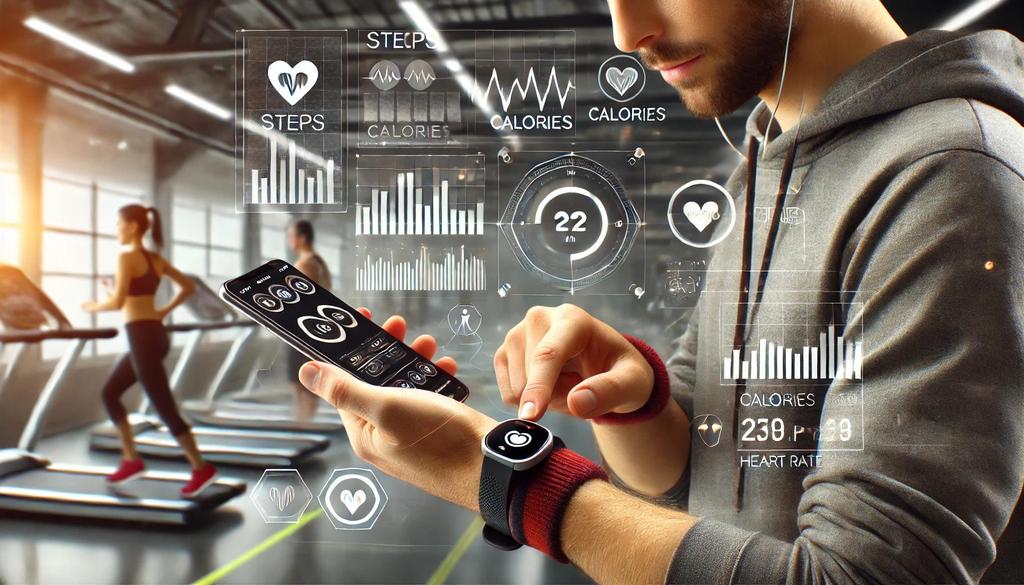
Imagine having a personal health coach that never tires, always tracks your progress, and offers timely advice, all from your wrist. That’s the magic of wearable technology. Devices like fitness trackers and smartwatches have stepped into the limelight, not just as fashion statements but as pivotal gear in the quest to lose weight.
These high-tech gadgets keep tabs on your steps, heart rate, and sleep patterns and even alert you when it’s time to move, making them indispensable allies in cultivating a healthier lifestyle. The systematic review by PMC found that users of such devices consistently show greater weight loss, attributing this success to the continuous feedback and motivation these tools provide.
Customization and Accountability
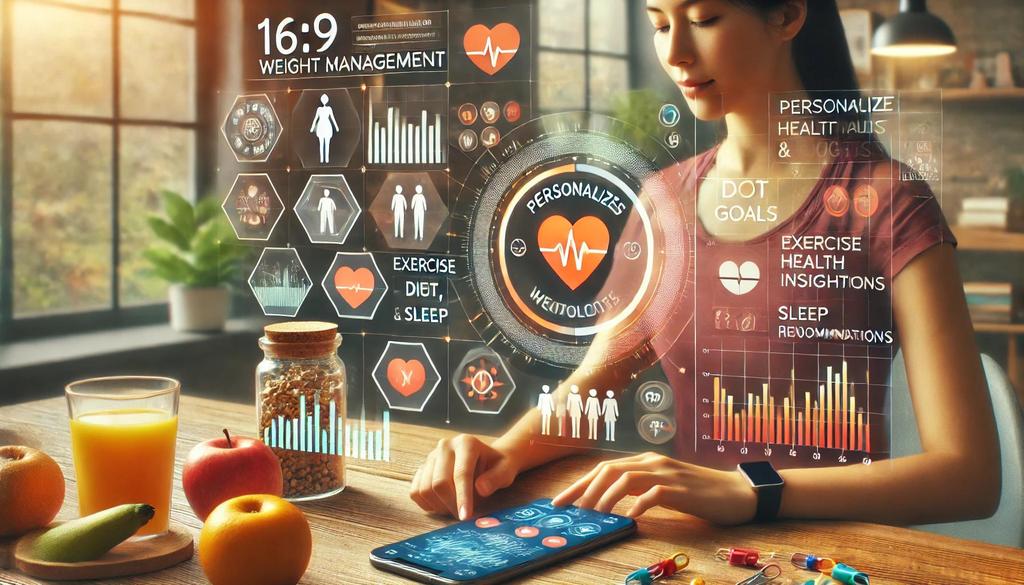
Customizability is a cornerstone of these digital devices. With daily step reminders and exercise goals, they help create a personalized health journey. This level of tailored engagement is something traditional methods often lack. Moreover, the accountability factor—knowing you’re being “watched” even by a device—acts as a constant nudge to stay on track. With insights delivered directly to your smartphone, you’re equipped to make informed decisions about your health anytime, anywhere.
Mental Health and Societal Impacts of Weight Loss Apps
Understanding Psychological Challenges
While technology and pharmaceuticals spearhead modern weight management strategies, they are not infallible, especially when psychological hurdles are present. Weight loss goes beyond the physical, deeply entwining with how one perceives oneself and the societal pressures one faces. According to a Slate article, those who lose weight quickly often struggle with self-image, not recognizing the changes in their body or feeling pressure to meet society’s “ideal” body standards.
It’s a poignant reminder that weight loss isn’t just about numbers on a scale; it’s a holistic journey that requires mental fortitude and resilience. Acknowledging these psychological nuances is vital to any tech-driven approach to health.
The Role of Self-Compassion
Incorporating mental health support in digital weight loss tools can provide users with the psychological boost they need. Encouraging self-compassion, as highlighted by the Drexel University study, can help individuals recover from setbacks more gracefully, rekindling their motivation to keep pushing forward.
In the grand tapestry of health and wellness, technology, pharmaceuticals, and mental health support each serve as threads, weaving a comprehensive fabric of support for those on the weight loss journey. With these combined forces, individuals are better positioned to face not just the numbers but their own reflections with newfound confidence and grace.
Case Study: Utilizing the Able Platform
Able reviews highlight the platform’s capability to deliver personalized weight management support right at users’ fingertips. This service provides bespoke meal plans aligned with dietary preferences alongside customized workout routines and 24/7 access to expert advice. All of this is accessible from the comfort of home.
An Example in Practice
Though this case study focuses on Able, its core features are common in similar platforms, illustrating a broader industry trend. Able leverages data analytics and machine learning to evaluate unique health metrics and tailor each user’s weight loss journey accordingly. Personalization ensures users follow an individualized path, thereby increasing their chances of success.
Users frequently praise the platform for its intuitive interface, which simplifies the often complex task of tracking diet and exercise. Interactions with the app provide dynamic feedback, enabling users to adjust their plans in real-time based on progress and obstacles. This timely adaptation often makes the difference between temporary interest and long-term commitment to weight management.

Challenges and Ethical Considerations of Fitness Apps
Data Privacy Concerns
In the digital age, the benefits of technology are often mirrored by potential risks, with data privacy being one of the most significant concerns. As platforms collect health data, which is incredibly personal and sensitive, issues arise over who has access to this information and how it is used. It’s crucial for users to understand how their data is stored and protected against unauthorized access. Platforms must adopt stringent security measures to safeguard this information, ensuring that trust is maintained between users and service providers.
Potential for Over-Reliance
Another important consideration is the risk of becoming overly reliant on technology for weight management. While digital platforms provide valuable tools and support, they cannot replace the guidance of healthcare professionals. It’s essential that users maintain a balanced approach, integrating tech solutions with traditional medical advice and physical consultations when necessary.
Ethical Implications
The ethical dimension also includes the need for transparency in how platform algorithms make decisions and tailor advice. Users should be aware of the criteria used in these calculations to better understand their health journeys. Ensuring transparency not only builds trust but also encourages informed decision-making on the part of the consumer.
Tech Personalizes and Streamlines Modern Weight Management
The integration of technology into weight management has ushered in a new era where informed decision-making, convenience, and personalization are at the forefront. From leveraging mobile apps and wearable tech to exploring pharmaceutical innovations, the arsenal available for tackling obesity and weight maintenance is more robust than ever. However, the journey is not without its hurdles, and it’s vital to strike a balance between leveraging technology and fostering a healthy lifestyle that includes mental and emotional well-being.
The case of Able highlights the tangible benefits of this technological shift, offering a glimpse into the potential for customized, data-driven weight loss strategies that adapt to individual needs and goals. As we continue to navigate this landscape, staying informed and aware of both benefits and pitfalls will empower us to make better choices.
Call to Action: Taking the Next Step
Ready to take charge of your weight loss journey? With numerous technological tools at your disposal, the path to a healthier you is more accessible than ever. Explore the various digital apps and platforms out there, and consider integrating them into your weight management plan. But remember, every step you take—no matter how small—is a step towards a healthier lifestyle. Consult with healthcare professionals to tailor a plan that fits you best, combining traditional wisdom with modern innovations.
Let this be your call to action: embrace the technology, but don’t forget the human touch. Whether it’s starting with an app like Able or simply taking a walk with a fitness tracker, harness the power of technology in ways that enrich your life. Every healthy choice you make today is an investment in a better tomorrow.


