
Are you wondering how to enhance your online security and protect your data? Do you want to access resources on the web that would otherwise be unavailable in your geographical location? Are you curious about virtual private network (VPN) technology? Then this article is meant for you!
Here, we provide an informative guide to the world of VPN and its many benefits. We’ll discuss how it works, why it’s so important for online privacy, and what features are necessary when choosing a good quality provider. So if you’re ready to learn more about this essential cybersecurity tool—and who isn’t nowadays?!— then read on, and with our guidance, soon enough, you too could be taking advantage of all the privacy-enhancing features offered by a trusted VPN service.
Overview of VPN
In today’s digital world, internet security is more crucial than ever. With consistent hacking and data breach threats, it is important to protect your online privacy and sensitive information. This is where VPNs come in.
A Virtual Private Network (VPN) can encrypt all your online activity, making it virtually impossible for anyone to access your data without your permission. On top of that, VPNs allow you to access content from anywhere in the world, bypassing geographic restrictions.
Whether you are at home or on the go, VPNs provide a secure connection that gives you peace of mind. With its many benefits, it is no wonder that VPNs are becoming a must-have tool for anyone who values internet security and reliability.
Plus, by utilizing all the features VPN Pro offers, you can further enhance your online privacy and ensure smooth, secure browsing.

What to Look for in a VPN Provider
Having a reliable VPN provider is essential for online privacy and security. However, with so many options available, knowing what to look for when choosing a provider is critical.
One key factor to consider is the provider’s logging policy. Ideally, you want one that doesn’t store any user data, ensuring maximum anonymity. Additionally, look for a VPN provider with strong encryption protocols and a large server network. This will help to ensure fast connection speeds and easy access to content from around the world. Finally, consider the provider’s customer support options, as excellent support can make all the difference in resolving any issues that may arise.
By keeping these factors in mind, you can confidently choose a VPN provider that suits your needs and helps keep your online activity secure and private.
How to Set Up and Configure a VPN
Setting up and configuring a VPN may sound like a task meant for tech nerds, but it’s actually quite straightforward, especially if you follow the right steps. The process involves selecting a VPN protocol, choosing a VPN provider, and configuring your device or computer.
First, you need to decide which VPN protocol you want to use. Options include OpenVPN, SSTP, or L2TP/IPSec. Each protocol has its own set of features and benefits, so it’s important to choose the one that best suits your needs. Next, select a VPN provider and sign up for their service.
Once you have done this, the provider will provide instructions on configuring your device or computer. This usually involves downloading and installing the software supplied by the provider and entering some basic information such as server address, username, and password. After that, you can connect to the virtual private network and enjoy increased security and access to resources from around the globe!
Advantages of Using VPN
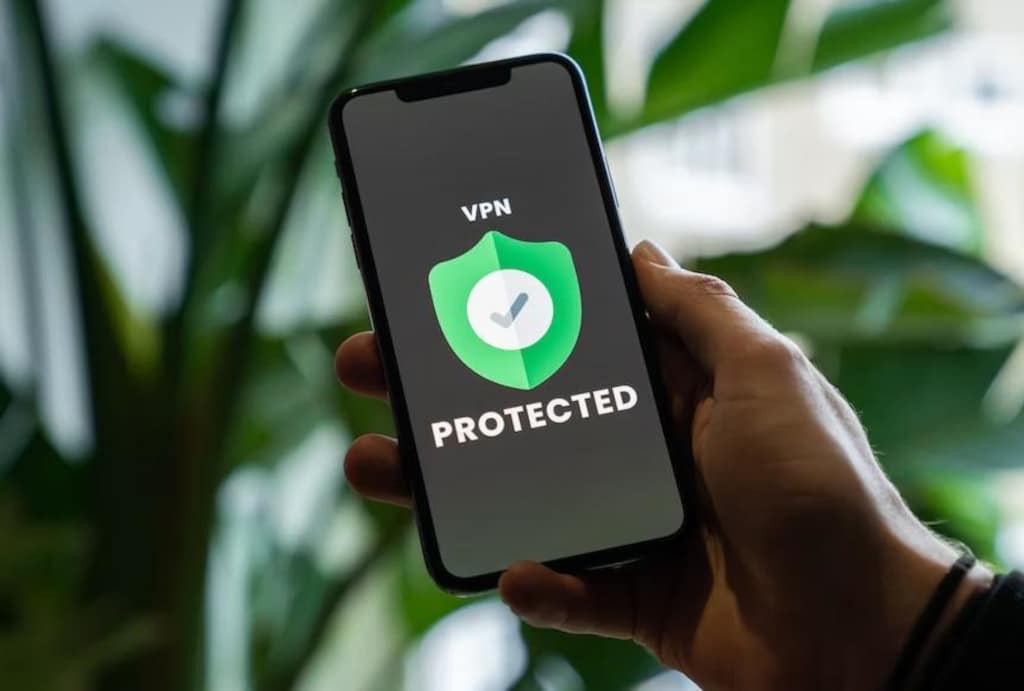
VPNs enhance online security by encrypting internet traffic, safeguarding sensitive information from prying eyes, especially when using public Wi-Fi networks. But the benefits of VPNs don’t end there.
They also offer the ability to bypass geo-restrictions, providing access to global content and enabling seamless research and information access from various regions. Additionally, VPNs allow for anonymous browsing, preventing websites and advertisers from tracking our online activities and ensuring a more seamless and distraction-free browsing experience. But that’s not all – VPNs play a pivotal role in safe remote work, avoiding bandwidth throttling, providing affordable access to content, preserving net neutrality, protecting us on public Wi-Fi networks, ensuring compatibility and versatility across devices, and even enabling secure torrenting and P2P file sharing.
The versatility and importance of VPNs in today’s digital landscape are truly remarkable.
Enhanced Online Security
One of the most crucial benefits of VPNs is their ability to provide enhanced online security. When you connect to a VPN, your internet traffic is encrypted, rendering it virtually impossible for malicious entities to intercept your data. This becomes especially vital when using public Wi-Fi networks, notorious breeding grounds for cyberattacks. VPNs create a secure tunnel that shields your sensitive information, such as passwords, credit card details, and personal messages, from prying eyes.
Bypassing Geo-Restrictions
VPNs have transcended the realm of security to become gateways to global content. Geographical restrictions often prevent users from accessing certain websites or streaming services from specific locations. By connecting to a server in a different country, VPNs enable users to bypass these restrictions and access content that might otherwise be inaccessible. This not only enriches entertainment options but also facilitates seamless research and access to information from various regions of the world.

Anonymous Browsing
Anonymity is a hallmark feature of VPNs that empowers users to browse the internet without leaving behind digital footprints. Your actual IP address is concealed when you connect to a VPN, making it challenging for websites and advertisers to track your online activities. This not only enhances privacy but also prevents personalized ads and unwarranted profiling, ensuring a more seamless and distraction-free browsing experience.
Safe Remote Work
The rise of remote work has transformed the way businesses operate, but it has also exposed employees to potential security risks. Virtual Private Networks provide a solution by creating a secure connection between remote workers and their corporate networks. This shields sensitive company data from cyber threats and ensures that remote employees can collaborate and access resources as securely as if they were within the company’s physical premises. VPNs thus play a pivotal role in enabling the remote work revolution without compromising security.
Avoiding Bandwidth Throttling
Internet Service Providers (ISPs) have been known to throttle internet speeds, particularly when users engage in bandwidth-intensive activities such as streaming or online gaming. VPNs offer a remedy by encrypting your internet traffic and making it difficult for ISPs to detect the type of data being transmitted. This can lead to a more consistent and stable internet connection, as ISPs are less likely to throttle the connection when they are unable to discern the specific activities being carried out.

Affordable Access to Content
Beyond bypassing geo-restrictions, VPNs can also offer cost-effective avenues for accessing content. Subscription costs for streaming platforms often vary based on region. Users can save money while enjoying the same content by utilizing a VPN to connect to servers in regions with lower subscription fees.
This way, you can find a free VPN for Netflix, Hulu or Amazon Prime. This practice, known as “geo-piracy,” raises ethical considerations, but it exemplifies the versatility of VPNs in maximizing value for users.
Preserving Net Neutrality
Net neutrality, the principle that all internet traffic should be treated equally, has been a hot topic in recent years. Some ISPs have been accused of violating net neutrality by giving preferential treatment to certain websites or services. VPNs provide users with a means to circumvent such discrimination. By encrypting traffic, VPNs make it difficult for ISPs to discriminate against specific types of data, preserving the open and equal nature of the internet.
Public Wi-Fi Protection
Public Wi-Fi networks, commonly found in coffee shops, airports, and hotels, are often vulnerable to security breaches. Hackers can easily intercept data transmitted over these networks, putting your sensitive information at risk. VPNs offer a secure solution by encrypting your internet traffic, making it virtually impossible for anyone to decipher. This is particularly important when conducting online banking, shopping, or accessing confidential work-related information on the go.

Compatibility and Versatility
A well-designed VPN should be compatible with a wide range of devices and operating systems. This includes not only computers and smartphones but also routers, smart TVs, and gaming consoles.
A versatile VPN allows you to secure all your internet-enabled devices, ensuring comprehensive protection across your entire digital ecosystem. This compatibility should also extend to various operating systems, such as Windows, macOS, Android, and iOS, enabling seamless usage regardless of your preferred platform.
Torrenting and P2P File Sharing
Some VPNs cater specifically to users who engage in torrenting (peer-to-peer file sharing) activities. While torrenting itself is legal, it often involves sharing copyrighted material, which can lead to legal issues.
A VPN with a strong emphasis on privacy and security can help mask your IP address, making it difficult for copyright enforcement agencies to trace your online activity back to you. However, it’s important to note that not all VPNs support torrenting. If you require this use case, ensure that the chosen provider explicitly permits it.
Choosing the Right VPN Protocol
When setting up a VPN, the choice of protocol plays a significant role in determining your online experience. Different protocols offer varying levels of security, speed, and compatibility.
OpenVPN, for instance, is highly secure and versatile, making it a popular choice. It can operate on both TCP and UDP ports, allowing for a balance between security and speed. On the other hand, L2TP/IPSec is known for its strong encryption, making it ideal for security-conscious users. SSTP is another option, which is favored for its compatibility with Windows systems.
Picking the right protocol depends on your priorities, be it security, speed, or compatibility.

Multi-Device Coverage
A good VPN service should offer multi-device coverage, allowing you to secure all your devices under one subscription. Whether you’re using a desktop computer, laptop, smartphone, or tablet, your VPN should provide apps or configurations that cater to each platform. This ensures consistent protection and accessibility across all your devices, regardless of where you are or what you’re doing.
No-Logs Policy and Privacy
Privacy is the cornerstone of VPN usage. A trustworthy VPN provider should have a strict no-logs policy, meaning they do not store any records of your online activities. This ensures that even if someone were to request your data, there would be nothing to provide. Opt for providers that have been audited or have a proven track record of maintaining their users’ privacy.
Server Locations and Speed
The geographical distribution of VPN servers impacts both speed and access. A provider with a global server network allows you to choose servers closer to your physical location, minimizing latency and ensuring faster connections. Additionally, servers in various countries offer more options for bypassing geo-restrictions and accessing content from different regions.

Kill Switch, Leak Protection, and Security Features
A kill switch is a crucial feature that prevents your device from connecting to the internet if the VPN connection drops unexpectedly. This prevents your data from being exposed to your regular, unsecured internet connection.
Leak protection, on the other hand, safeguards against IP, DNS, or WebRTC leaks that could compromise your anonymity. These features collectively ensure a secure online experience, even if the VPN connection encounters issues.
In addition to securing your internet connection, some VPNs offer advanced features like split tunneling, which allows you to select which apps or websites should go through the VPN while others access the internet directly.
To further enhance privacy, some VPN providers offer features like ad-blockers and malware protection, which help protect your device from malicious ads and phishing attempts. With these added layers of security, you can surf the web with confidence and peace of mind.
User-Friendly Interface
Not everyone is a tech expert; a user-friendly interface can greatly enhance your VPN experience. An intuitive app or software makes it easy to connect to servers, switch locations, and adjust settings without confusion. Look for providers prioritizing usability, which can significantly reduce the learning curve and make your VPN usage more convenient.

Trial Period and Money-Back Guarantee
Selecting a VPN is a decision that deserves careful consideration. To ensure that the chosen provider aligns with your needs, look for services that offer a trial period or a money-back guarantee. This allows you to test the VPN’s performance, speed, and compatibility with your devices before committing to a long-term subscription.
Value for Cost
While free VPNs exist, they often come with limitations or privacy concerns. Investing in a paid VPN service typically guarantees better security, speed, and customer support. Consider the cost of the VPN subscription in relation to the features and benefits it offers. Many reputable VPN providers offer tiered pricing plans, allowing you to choose the one that suits your budget and requirements.
Evolution of VPN Technology
As technology continues to advance, the landscape of VPNs is also evolving. Newer protocols and encryption methods are being developed to address emerging security challenges. Additionally, some VPN providers are exploring advanced features like split tunneling, which allows you to route only specific traffic through the VPN while keeping other traffic on your regular connection. These developments signify the ongoing commitment of VPN services to adapt and provide the best possible protection for their users.

VPN: A Vital Modern Networking Technology
In a world where digital privacy is increasingly vital, VPNs offer a vital layer of protection for your online activities. With their ability to encrypt data, bypass geographical restrictions, and provide anonymity, VPNs have become essential tools for individuals and businesses alike.
When choosing a virtual private network provider, carefully consider factors like their privacy policies, encryption protocols, server network, and compatibility with your devices. A well-selected VPN can significantly enhance your online security and provide you with the freedom to access content from around the world.
Whether you’re working remotely, shopping online, or simply browsing the internet, a VPN empowers you to do so with confidence, knowing that your data is shielded from prying eyes. As technology continues to advance, the importance of VPNs in safeguarding your digital life is only set to increase. Embrace this powerful tool, and take control of your online experience today.


