
Connecticut, a picturesque state known for its beautiful landscapes and charming towns, is not immune to the nuisance caused by pest problems. These troublesome creatures can wreak havoc on homes and gardens and even pose health risks to their residents. Understanding the types of pests prevalent in this state is crucial to prevent and mitigate their impact.
From invasive insects to rodents and wildlife, the state is home to a variety of pests that can cause significant trouble. This article will delve into the most common and troublesome pests, exploring their behaviors, potential damages, and effective control measures. By identifying a pest and learning about their habits, Connecticut residents can take proactive steps to protect their properties and maintain a pest-free environment.

Invasive Insects: Threats from Outside
Connecticut, like many other states, faces the constant threat of invasive pest insects that arrive from other regions. These pests often lack natural predators in their new environments, allowing their populations to explode and wreak havoc on local ecosystems. Professionals of pest control in Greenwich, CT, say that one such pest is the emerald ash borer (EAB), a metallic green beetle native to Asia. EAB larvae feed on ash trees, eventually killing them within a few years. Connecticut’s ash tree population has been significantly impacted by this destructive pest.
Another invasive insect causing trouble in this US state is the gypsy moth. Originally introduced to the United States in the late 19th century, gypsy moths have defoliated millions of acres of trees, including oaks, maples, and birches. The caterpillars voraciously consume leaves, leaving trees weak and susceptible to disease and other pests.
To combat the threats posed by invasive insects, the state has implemented strict regulations on the movement of firewood. It conducts regular surveys to detect and manage infestations. Vigilance and early detection are crucial in preventing the spread and minimizing the damage caused by these invasive insects.

Termites: Silent Destroyers of Connecticut Homes
While this state may not be known for its termite problems, these silent destroyers can cause significant damage to homes throughout the state. Termites feed on wood, and their ability to remain hidden often leads to extensive damage before homeowners even realize they have an infestation.
The most common termite species in this area of the US is the Eastern subterranean termite. These termites live in underground colonies and construct mud tubes to protect their foraging paths. They can enter homes through tiny cracks and crevices, making it essential for homeowners to regularly inspect their properties for signs of termite activity.
Once inside, termites can compromise the structural integrity of a home by devouring wooden beams, flooring, and even furniture. Their presence can go undetected for years, resulting in costly repairs and potential safety hazards.
To prevent termite infestations, homeowners should maintain proper moisture control, eliminate wood-to-soil contact, and consider professional termite inspections. Early detection and swift action are vital in mitigating the destructive impact of termites on homes. It is also worth knowing which species you are dealing with, because the treatment differs sharply: drywood termites live entirely inside the wood and can be impossible to spot, and controlling them requires a different approach from the subterranean species common in this state.

Mosquitoes: Annoyance and Disease Carriers
The warm summers and humid climate in Connecticut provide ideal breeding grounds for mosquitoes, making them a significant nuisance and a potential health threat. Mosquitoes are not only bothersome with their incessant biting but can also transmit dangerous diseases to humans and animals.
This pest is more than simply annoying; in Connecticut, the most prevalent mosquito-borne disease is West Nile virus (WNV). Spread through the bites of infected mosquitoes, WNV can cause flu-like symptoms and, in severe cases, neurological complications. In recent years, the state has also seen an increase in cases of Eastern Equine Encephalitis (EEE), another mosquito-borne illness that can result in severe illness or even death.
To protect against mosquito bites and reduce the risk of disease transmission, residents are encouraged to use mosquito repellents, wear protective clothing, and eliminate standing water around their homes where mosquitoes breed. Communities and local authorities also conduct mosquito control programs to reduce populations and minimize the impact of these troublesome pests on public health.

Rodents: Nuisance and Health Risks
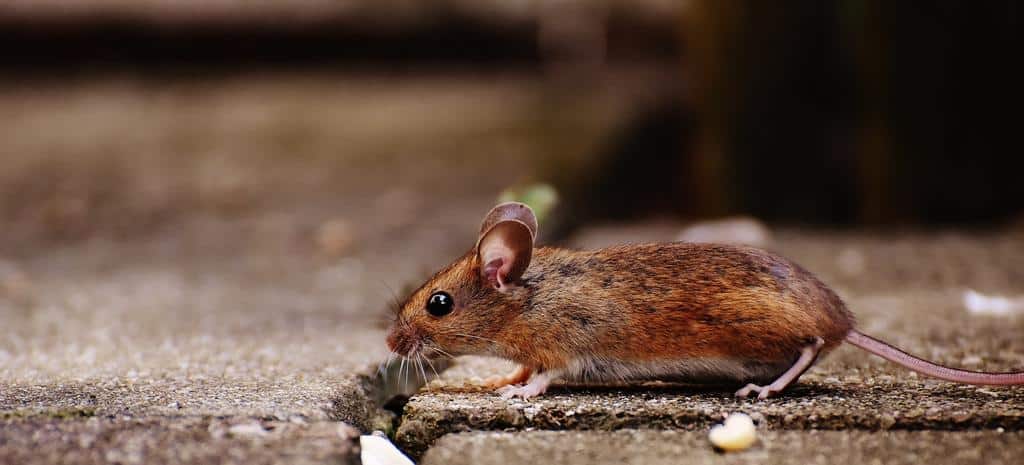
Like many other regions, this is home to a variety of rodent species that can cause significant trouble for residents. Common rodents found in the state include mice, rats, and squirrels. This pest is not only a nuisance in Connecticut but also poses health risks to humans and can cause extensive damage to properties.
Rodents can squeeze through small openings, allowing them easy access to homes, garages, and sheds. Once inside, they can contaminate food, gnaw on electrical wires, and cause structural damage by chewing through walls and insulation. Moreover, rodents are known carriers of various diseases, including hantavirus, leptospirosis, and salmonellosis, which can be transmitted to humans through contact with their urine, droppings, or bites.
To prevent rodent infestations, homeowners should seal any potential entry points, keep food stored securely, and maintain a clean living environment. Trapping and removing rodents, along with professional pest control services, can effectively manage existing infestations and minimize the risks associated with these troublesome pests.

Wildlife Encounters: Deer, Raccoons, and More
The diverse ecosystem and proximity to wooded areas provide ample habitat for various wildlife species. While encountering wildlife can be an exciting experience, it can also lead to troublesome situations, especially when these animals venture into residential areas.
Deer, for instance, can cause significant damage to gardens and landscape vegetation. Their browsing can destroy plants, flowers, and crops, impacting the aesthetics and productivity of outdoor spaces. Moreover, deer can carry ticks that may transmit diseases such as Lyme disease to humans and pets.
Raccoons are another common wildlife species in Connecticut, notorious for their scavenging and foraging habits. They can raid trash cans, damage roofs, and create dens in attics or crawl spaces. Raccoons also carry diseases like rabies, making their presence a potential risk to human health.
Other wildlife encounters in this area may include foxes, skunks, and coyotes. While these animals generally avoid human interaction, conflicts can arise when they encroach upon residential areas.

Bed Bugs: Unwanted Guests in Your Bed
This part of the USA has not been spared from the resurgence of bed bugs in recent years. These tiny, nocturnal pests feed on human blood and can infest homes, hotels, and other communal spaces.
Bed bugs are skilled hitchhikers and can easily be transported through luggage, clothing, or furniture. Once inside a home, they can quickly multiply, infesting mattresses, furniture, and cracks and crevices in walls.
The bites of bed bugs can cause red, itchy welts and may lead to sleep disturbances and emotional distress. Infestations can be challenging to eradicate, as bedbugs are adept at hiding in hard-to-reach areas.
To prevent bed bug infestations, travelers should inspect hotel rooms before unpacking and regularly launder clothing and bedding. In homes, reducing clutter and vacuuming regularly can help detect and eliminate early infestations. If bed bugs are suspected, professional pest control services should be sought to ensure effective treatment and eradication.

Ticks: Lyme Disease and Beyond
Ticks are a common pest concern in Connecticut due to the state’s abundance of wooded areas and tall grasses. These tiny arachnids can transmit various diseases, with Lyme disease being the most well-known and prevalent.
Lyme disease is caused by the bacterium Borrelia burgdorferi, which is transmitted to humans through the bite of infected black-legged ticks, also known as deer ticks. The early symptoms of Lyme disease include fever, fatigue, and a characteristic bull’s-eye rash. If left untreated, it can lead to more severe complications affecting the joints, heart, and nervous system.
In addition to Lyme disease, ticks in Connecticut can also transmit other diseases such as babesiosis, anaplasmosis, and the Powassan virus. It is crucial for residents to take preventive measures when spending time outdoors, such as wearing protective clothing, using tick repellents, and conducting thorough tick checks after outdoor activities. Early detection, prompt removal of ticks, and medical attention when necessary are vital in minimizing the risks associated with ticks in Connecticut.

Ants: Tiny Invaders that Cause Big Problems
The residents are no strangers to ant infestations, as these tiny invaders can quickly become a nuisance in homes and gardens. Some common ant species found in the state include pavement ants, carpenter ants, and odorous house ants.
Pavement ants are known for their habit of nesting under sidewalks and driveways, while carpenter ants can cause significant structural damage by excavating wood for their nests. Odorous house ants, on the other hand, emit a distinct odor when crushed, leading to their name.
Ants are attracted to food sources and can contaminate stored food, especially in kitchens and pantries. They can also build extensive networks of nests, making it challenging to eliminate an infestation without professional intervention.
To prevent ant problems, homeowners should maintain cleanliness, store food securely, and seal any cracks or openings that ants can use as entry points. If an ant infestation occurs, it is advisable to consult with a professional pest control service to identify the ant species and implement effective control measures.
Nuisance Wildlife Control: Prevention and Solutions
Connecticut’s diverse wildlife population can sometimes become a nuisance when they encroach upon residential areas. When faced with persistent wildlife-related issues, it becomes crucial to implement effective nuisance wildlife control measures.
Connecticut residents face a multitude of pest challenges that can disrupt their daily lives and threaten their properties. Invasive insects, such as emerald ash borers and gypsy moths, pose significant threats to the state’s trees and vegetation. Termites silently wreak havoc on homes, causing extensive structural damage. Mosquitoes, ticks, and bed bugs are not only annoying but also pose health risks, transmitting diseases like Lyme disease and West Nile virus. Rodents and nuisance wildlife, including raccoons and deer, can cause damage to gardens and spread diseases. Ants, both tiny and invasive, can infest homes and contaminate food sources.
Prevention is key to minimizing wildlife conflicts. Homeowners can employ strategies such as securing trash cans, eliminating food sources, and installing barriers like fences or netting. Regular inspections of the property for potential entry points can also help deter wildlife from accessing homes and gardens.
In cases where wildlife intrusion becomes a persistent problem, it is advisable to contact professional wildlife control services. These experts employ humane techniques to remove and relocate wildlife safely, ensuring the well-being of both humans and animals.
It is essential to remember that wildlife should be appreciated from a distance and not encouraged or fed. Respecting their natural habitats and implementing proactive measures can help maintain harmony between Connecticut residents and the wildlife that shares the state’s natural beauty.


