
Navigating the complexities of mobility solutions requires clear, objective information, especially when safety and independence are at stake. Installing a stairlift restores the freedom to navigate between floors, converting the home into a space of safety and effortless accessibility. Yet, the sheer volume of available models, features, and price points can make the selection process daunting for many homeowners.
Conducting a comprehensive stairlift brand comparison ensures that the chosen device aligns perfectly with specific architectural requirements and personal mobility needs. Homeowners may be seeking the best stairlifts for homes with narrow hallways or complex curved designs. Understanding the nuances of specification in these scenarios prevents costly errors. This guide details the essential criteria for evaluating manufacturers, ensuring every decision is informed and secure.

Comparing Different Types of Stairlift Configurations
Verifying brand suitability for specific home layouts constitutes the first step in the selection process. Most manufacturers supply one or more of the following:
Straight Stairlifts
Straight stairlifts are ideal for homes with a staircase that travels in one direct line, with no corners or landings. As the most affordable and rapidly installed option, these models stand as the primary choice for standard households.
Most straight lifts are fitted within a few hours and offer smooth, reliable travel between floors. Their simplicity does not limit capability, as modern straight models frequently include essential safety features:
- Foldable Seats: Maximising space when the lift is not in use.
- Safety Sensors: Detecting obstructions on the stairs to prevent collisions.
- Battery Backup: Ensuring continued operation during a power cut.
Households prioritising rapid installation and cost-effective accessibility will find this style optimal.
Curved Stairlifts
Curved stairlifts are designed for staircases that turn, bend, or include intermediate landings. Unlike straight models, these lifts are custom-built to match the exact shape and measurements of your staircase. This bespoke engineering ensures a precise and secure fit. Tailored rail construction necessitates extended lead times and represents a higher financial investment.
Curved stairlifts provide a smooth and comfortable ride on even the most complex layouts, making them the ideal choice for:
- Traditional Staircases: Navigating tight corners and landings.
- Multi-Level Homes: Spanning more than one floor.
- Unusually Shaped Stairs: Adapting to spiral or fan-shaped steps.
Homes requiring more than a simple straight rail benefit significantly from this personalised option.
Hinged or Folding Rails
Hinged and folding rail stairlifts actively reclaim critical floor space where staircases terminate near doorways or narrow corridors. The bottom section of the rail lifts or folds away automatically. This mechanism removes potential trip hazards while maintaining easy access for other household members.
Hinged rails prove particularly useful in smaller homes where safety and space management are priorities. Systems range from manual operation to powered folding mechanisms for enhanced convenience. Choosing a stairlift with a hinged rail helps keep pathways clear, reduces risk, and allows both users and visitors to move freely without obstruction.
Outdoor Stairlifts
Outdoor stairlifts provide safe, reliable travel on outside steps, whether connecting gardens, patios, driveways, or entrances. Engineered with weather-resistant materials and protective covers, these units endure rain, temperature fluctuations, and long-term exposure while maintaining optimal functionality.
To operate reliably in challenging conditions, outdoor models typically include:
- Non-Slip Seating: Preventing accidents during wet weather.
- Durable Rails: Resisting rust and corrosion from exposure.
- Sealed Batteries: Protecting electrical components from moisture.
They offer independence for those who struggle with exterior stairs, ensuring all areas of the property remain accessible throughout the year. When outdoor accessibility holds equal importance to indoor mobility, an outdoor stairlift delivers confidence, stability, and everyday freedom outside your home.
Essential Safety and Comfort Features
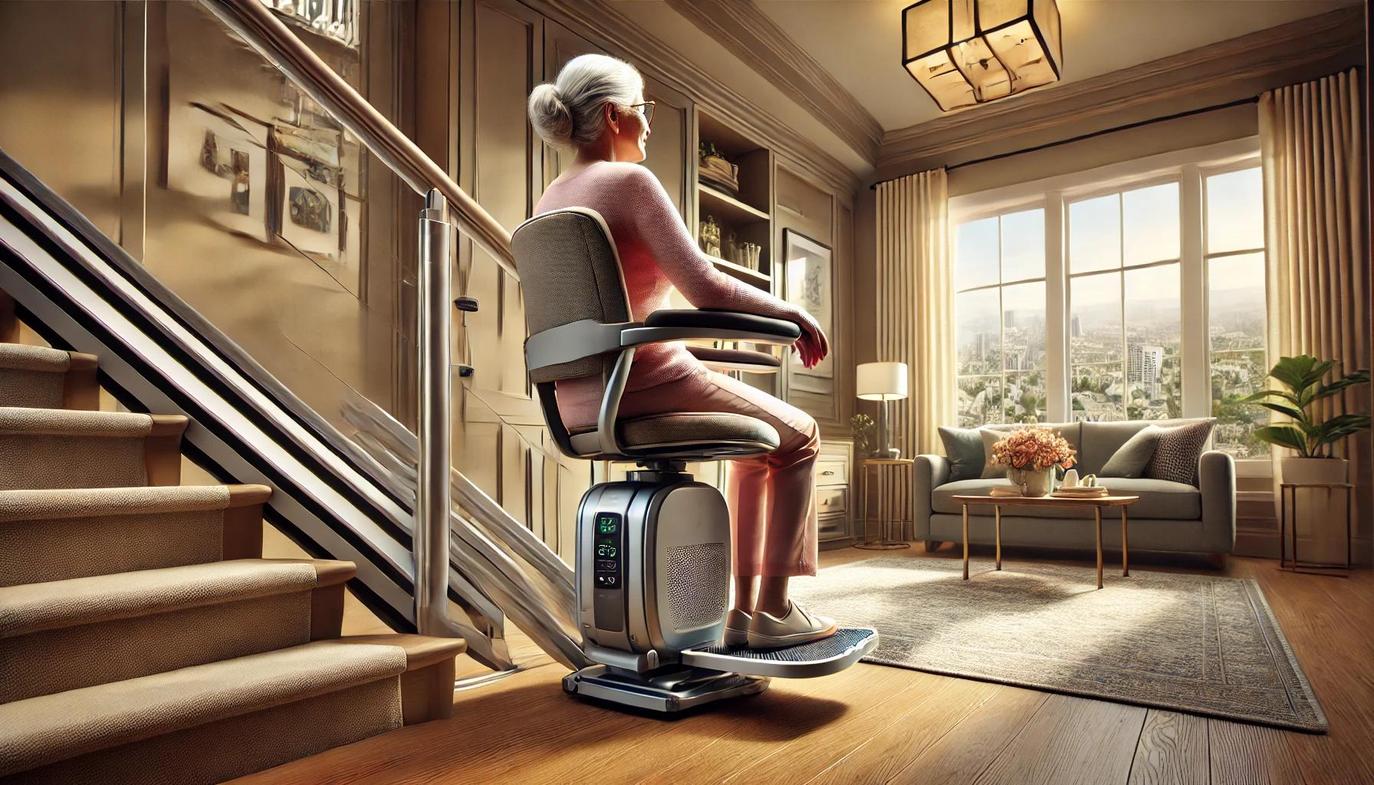
High-quality stairlifts prioritise safety, smoothness, and ease of use. When comparing brands, consider the following:
| Feature | Benefit |
| Swivel seats (manual or powered) | Easier and safer to get on and off the lift |
| Battery backup system | Allows the lift to operate during power cuts |
| Safety sensors | Automatically stops the lift if something blocks the rail |
| Adjustable seat height and armrests | Better comfort and usability |
| Foldable seats and footrests | Saves space on the staircase |
| Soft start mechanism | Ensures a smooth ride with no jolting |
Evaluating Weight Capacity and Mobility Needs
Weight capacities vary significantly across different stairlift models. Always compare maximum load ratings and ensure the lift can support the user comfortably. Users with specific individual mobility needs should prioritise:
- Extra wide or supportive seating
- Heavy-duty models for higher weight limits
- Powered swivel rotation for easier dismounting
- Adjustable seat height for comfort and joint support
Installation Timelines and Practical Home Adjustments
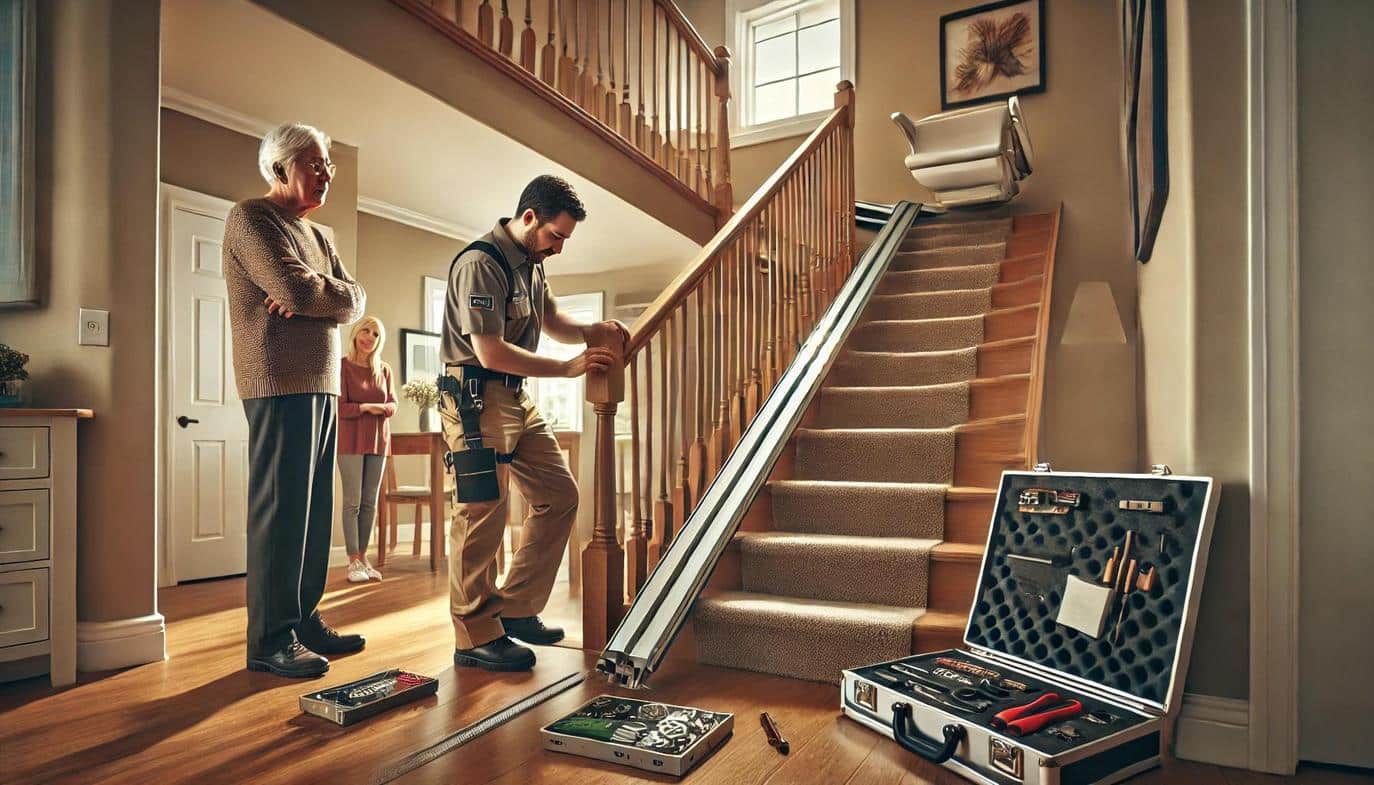
Industry leaders often complete straight stairlift installations within 24 to 48 hours. Curved models require extended timelines due to the bespoke manufacturing of the rail. When comparing brands, review:
- How quickly they can survey your home
- Lead time for installation
- Whether engineers install and test the lift in person
- How easy it is to maintain and service the equipment
Warranty Coverage and Aftercare Support
Post-installation support remains a critical factor in the long-term reliability of the equipment. Before choosing a brand, check:
- Warranty period
- Emergency callout availability
- Servicing packages
- Replacement parts and repair times
Analysing Customer Reviews and Long-Term Value
While initial cost is a factor, long-term value outweighs the sticker price. When comparing brands, take time to read independent reviews and customer feedback. You should check for:
- User experience with comfort and noise levels
- Reliability over time
- Responsiveness of customer service
- Clear and transparent pricing
The Benefits of Using Home Stairlifts for Brand Comparison
Home Stairlifts facilitates the comparison of leading brands such as Halton, Handicare, Acorn, and Stannah all in one place. You can review specifications, features, and customer feedback side by side without needing to visit multiple providers.
With Home Stairlifts, you can:
- Compare models and pricing easily
- Read real user reviews
- Access expert guidance during selection
- Explore both new and reconditioned options
- Find a stairlift that suits your home, needs, and budget
Utilising a centralised platform streamlines the decision-making process and eliminates research fatigue.
Finalising Your Decision on Stairlift Features and Prices
Selecting the right mobility aid represents a significant investment in long-term quality of life, extending far beyond the initial installation date. Prioritising essential safety mechanisms over cosmetic add-ons often yields the best return on investment, ensuring that the equipment remains reliable for years to come. A reliable stairlift from a trusted brand ensures the home remains navigable, safe, and enjoyable for the future.
Taking the time to thoroughly evaluate stairlift features and prices across different manufacturers guarantees that the final choice delivers both comfort and peace of mind. By focusing on weight capacity, warranty terms, and reputable aftercare, homeowners can confidently secure a solution that truly enhances their daily living experience.
Frequently Asked Questions About Stairlift Installation
How much does a standard stairlift cost?
Straight stairlifts typically range from £2,000 to £3,500, whereas custom curved models often cost between £4,000 and £6,000 depending on complexity.
Can a stairlift be installed on narrow stairs?
Yes, many manufacturers offer slimline models and hinged rail options designed specifically to fit narrow staircases without obstructing the passageway.
How long does installation take?
Professional engineers usually install straight lifts within 2-4 hours, while complex curved rails may require half a day to ensure a precise fit.
Do stairlifts damage the walls?
No, stairlift rails are secured directly to the stair treads rather than the wall, leaving the plasterwork and decoration completely intact.
What happens during a power cut?
Modern stairlifts come equipped with battery backup systems, ensuring the lift continues to operate safely even if the main household power fails.

