
Nestled in the heart of the Sonoran Desert, Mesa, Arizona, stands as a sonorous testament to the balanced coexistence of urban living and breathtaking natural landscapes. When it comes to the beauty of your outdoor spaces in this city, trees are often the crown jewels of the landscapes. They provide shade, enhance curb appeal, and even improve air quality. However, there may come a time when you need to bid farewell to a beloved tree. Knowing when to say goodbye to a tree is crucial for the safety and health of your property. This article explores the signs that indicate the need for tree removal in Mesa, AZ, and why it’s important to address these issues promptly.
Signs of Trouble
Decay and Rot
One of the most telling signs that a tree may need removal is the presence of decay and rot. When you notice large cavities, cracks, or soft, spongy wood in your tree’s trunk, the tree’s structural integrity has been compromised. Decay weakens the tree, making it susceptible to falling during strong winds or storms, posing a significant safety hazard.
Dead or Dying Branches
Observing dead or dying branches within your tree’s canopy is a sign that something is amiss. These branches may have become diseased or damaged, and their presence can pose a risk to people and property below. Removing these branches promptly is essential to prevent accidents.
Leaning or Unstable Tree
A professional arborist should evaluate trees that lean significantly or appear unstable. A leaning tree may have compromised root systems or structural issues that could result in it toppling over, causing damage to your property or endangering lives.
Mushrooms and Fungus
The presence of mushrooms or fungus at the base of a tree or on its trunk is often a sign of internal decay and root rot. These organisms thrive on decaying wood and can weaken the tree’s foundation. If left untreated, it can lead to the tree’s demise.

Safety Concerns
Proximity to Structures
Another critical factor to consider is how close the tree is to your home or other structures on your property. Over time, the roots of a tree can grow and damage foundations, sidewalks, and driveways. If a tree is too close to your house, it may need removal to prevent costly structural damage.
Overhanging Utility Lines
Trees that grow near utility lines can pose a significant risk. Falling branches or a toppled tree can disrupt power lines, leading to outages and potentially dangerous situations. If your tree is near utility lines, it’s advisable to consult a professional arborist about removal.
Wildlife Habitats
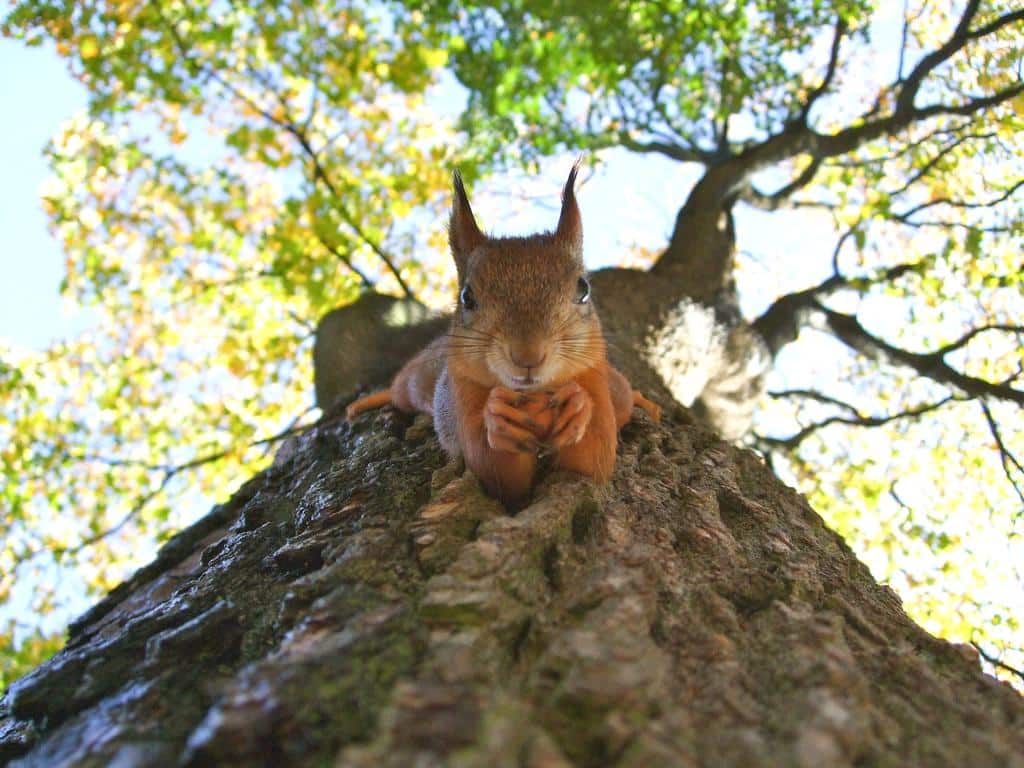
The removal of trees can impact local wildlife habitats. Considering the potential effects on wildlife and exploring measures to mitigate the impact of tree removal on wildlife habitats is essential for maintaining the ecological balance in Mesa, Arizona.
Environmental Impact
Invasive Species
Some trees, though beautiful, can be invasive and harmful to the local ecosystem. Invasive species can crowd out native plants and disrupt the balance of local wildlife. Removing these trees can be a responsible choice to preserve the health of your local environment.
Replanting Initiatives
After the removal of a tree, it’s important to consider replanting initiatives to maintain the ecological balance. Planting native species in place of the removed trees can contribute to the preservation of the local ecosystem and support biodiversity.
Sustainable Disposal Practices
Proper disposal of removed trees is crucial for environmental sustainability. Exploring sustainable disposal practices, such as recycling wood for mulch or other purposes, helps reduce waste and minimize the environmental impact of tree removal operations.
Conclusion
In the world of landscaping and outdoor aesthetics, trees hold a special place. They provide us with shade, oxygen, and abundant natural beauty. However, when signs of trouble arise, it’s essential to know when to say goodbye to a tree for the safety of your property and the well-being of your surroundings.
Decaying and rot, dead or dying branches, leaning or unstable trees, mushrooms, and fungus – all of these signs should be taken seriously and evaluated by a professional arborist. Safety concerns, such as proximity to structures and utility lines, should not be overlooked. Taking visionary steps to address these issues can prevent accidents and costly property damage.
Furthermore, it’s essential to consider the environmental impact of your trees. Invasive species can harm the local ecosystem, and responsible tree removal in Mesa, AZ, can help restore the natural balance.
In the end, saying goodbye to a tree is never an easy decision. Still, when it becomes necessary for safety, property preservation, or environmental health, it’s a choice that must be made. By staying vigilant and seeking professional guidance when needed, you can ensure that your outdoor space remains a safe and beautiful place for years to come.


