
Wind energy operates through the science of converting kinetic energy from wind into electrical energy—a process that is both efficient and essential for sustainable power generation. Horizontal-axis or vertical-axis wind turbines serve as the primary technology for harnessing this natural resource. When the wind blows, it interacts with the turbine blades, causing them to rotate. The wind’s rotation propels a rotor towards a generator, which transforms the rotational energy into electricity.

Understanding the Mechanics of Wind Energy: How Turbines Generate Power
Components of Wind Turbines
Wind turbines consist of several key components: the rotor, hub, tower, generator, and gearbox. Aerodynamic blades in the rotor design maximize energy capture, and the hub connects these blades to the main shaft. The tower lifts the rotor to a height where wind speeds are more consistent and stronger, optimizing energy output. As the rotor turns, the generator converts mechanical energy into electrical energy, and the gearbox facilitates this process by adjusting the speed of rotation to suit the generator’s needs.
Factors Influencing Energy Production
The effectiveness of wind energy generation depends on various factors, including wind speed, turbine design, and location. Turbines operate best within a specific range of wind speeds, typically between 10 to 25 miles per hour. Wind speed varies geographically and seasonally, making the selection of appropriate sites crucial for maximizing energy production. Areas with open spaces, like coastal regions or plains, tend to yield higher wind energy potential due to less obstruction and prevailing wind patterns.
Environmental Benefits of Wind Energy
Using wind energy as a power source drastically reduces carbon emissions and reliance on fossil fuels. This shift not only contributes to mitigating climate change but also improves air quality and promotes biodiversity. As nations transition to greener energy sources, wind turbines play a central role in achieving energy independence, dietary sustainability, and job creation in the renewable energy sector.
By comprehensively understanding how wind energy systems work, individuals and communities can better appreciate the significance of investing in renewable technologies, ultimately contributing to a more sustainable and ecologically responsible future.

Wind Energy: The Good and the Not-So-Good
Wind energy is notable for its capability to produce electricity without the combustion of fossil fuels. This characteristic ensures that it does not emit greenhouse gases, establishing it as a climate-friendly energy source. Wind, as a resource, is abundant and inexhaustible, marking it as a truly renewable option.
By harnessing this natural energy, societies can decrease their reliance on finite resources such as coal and natural gas. This shift not only contributes to environmental sustainability but also promotes greater energy independence for countries.
In recent years, innovations in turbine technology have significantly enhanced the efficiency of wind energy. These developments highlight the successful synergy between scientific advancements and natural resources.
Wind Turbines and Noise Emission
However, it’s not all smooth sailing. Turbines, especially large ones, require substantial space to avoid air current interference, and their presence can change the landscape, sometimes raising concerns about visual and land use impact.
Noise is another consideration. While modern designs have reduced the “whooshing” sounds of earlier turbines, the issue persists in some cases. Then there’s the question of wildlife. Birds and bats have been known to collide with turbines, though this impact pales in comparison to other human-related causes like domestic cats or building collisions.

Recycling and Sustainability in Wind Energy
The materials used in traditional wind turbine blades present another challenge. Composite materials, which are difficult to recycle and can result in waste once a turbine reaches the end of its 20–25-year lifespan, make up most blades. These factors, while not negating the benefits of wind energy, highlight areas that require improvement and where innovation is already making significant strides.
Manufacturers of wind turbines are diligently striving to use increasingly environmentally friendly materials in their products. At the conclusion of their operational lifespan, certain turbines currently available in the market possess the capability to be nearly fully recyclable. This advancement addresses the significant challenge of waste management in the wind energy sector. As the industry continues to innovate, the development of recyclable wind turbines contributes to sustainability efforts. This shift not only reduces environmental impact but also promotes responsible resource usage throughout the lifecycle of wind energy systems.
The Environmental Impact of Wind Power
People often praise wind energy for its minimal environmental impact compared to fossil fuels, but it’s important to consider the whole picture. Large wind farms require significant space, not because of the turbines’ physical footprint but to ensure proper airflow between them. While the construction phase can disrupt local ecosystems, it’s a relatively minor impact compared to the destruction caused by mining and drilling for fossil fuels.
Noise presents a significant consideration for communities located near wind farms. The operation of turbines generates audible sounds that can be noticeable to residents. Fortunately, modern turbine designs prioritize noise reduction, resulting in operations that are less disruptive to neighboring areas.
Interactions between wildlife and turbines have become a prominent topic in environmental discourse. Species such as birds and bats may experience adverse effects from the rotating blades. In response, innovative turbine designs seek to mitigate these risks by integrating features that are friendly to bird populations. While the impact of turbines on wildlife is relatively minor when compared to other human-related threats, it remains a concern that requires attention as the use of wind energy continues to grow.

The Many Faces of Wind Turbines
When individuals envision wind turbines, they often imagine the traditional horizontal-axis wind turbine (HAWT). These turbines feature towering blades that rotate in open fields or offshore environments. HAWTs are predominant in large-scale wind farms, where they excel in regions characterized by consistent, high-speed winds. However, wind energy encompasses more than just these well-known giants.
Vertical-axis wind turbines (VAWTs), such as the distinctive Darrieus-type models, present an effective alternative. These turbines rotate around a vertical axis, which allows for greater adaptability in environments that experience fluctuating or multi-directional winds. In urban areas and off-grid locations with limited space, the vertical small wind turbine has gained popularity. They address concerns related to noise and can operate effectively in less predictable wind conditions. This diversity in turbine design enhances the overall efficiency and applicability of wind energy solutions.
Small and Big Wind
The size of wind turbines significantly influences their application and efficiency. Large wind turbines, such as the towering horizontal-axis wind turbines (HAWTs) found in utility-scale farms, produce substantial amounts of electricity. These turbines are ideal for supplying power to electrical grids due to their high output capacity.
Small wind turbines, such as compact vertical-axis wind turbines (VAWTs), cater to the energy requirements of residential or community settings, particularly in rural or remote regions. In urban environments or off-grid locations with space constraints and variable wind conditions, vertical small wind turbines offer effective solutions for clean energy generation.
Hybrid energy systems often integrate small wind turbines to enhance overall energy generation by combining wind and solar power. At the smallest level, micro wind turbines serve specific niche applications, such as powering boats, caravans, or small devices. By carefully selecting the appropriate type and size of turbine for each specific location, it is possible to effectively harness wind energy for diverse needs, whether in bustling cities, isolated cabins, or expansive power grids.
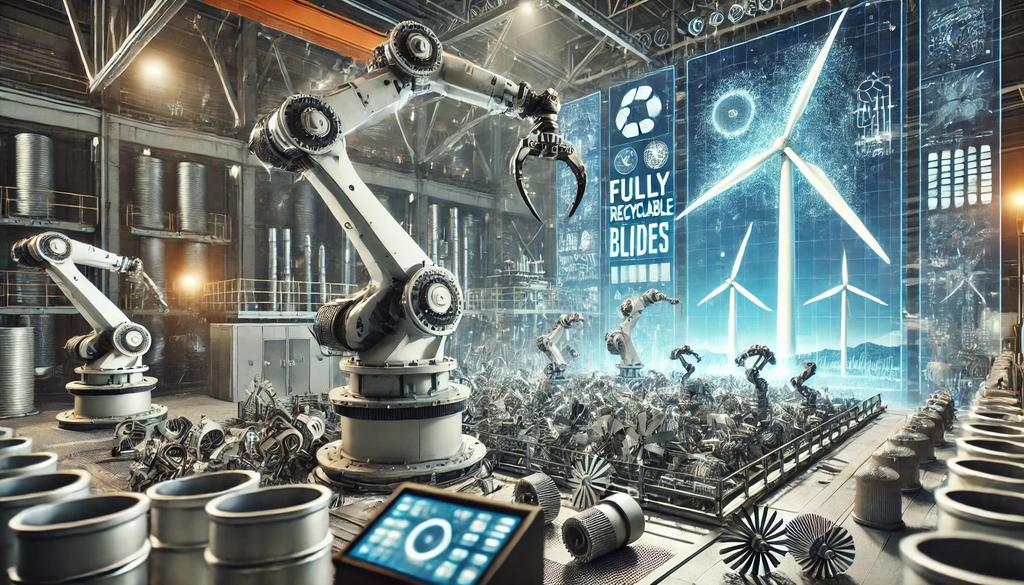
Recycling Wind Turbines: A Fresh Breeze of Innovation
A frequently overlooked aspect of wind energy concerns the fate of turbines when they reach the end of their operational life. After decades of service, the large blades from these turbines require proper disposal. Traditional turbine blades, constructed from composite materials, present significant challenges for recycling.
However, innovative solutions are currently emerging to address this issue. Several companies are now manufacturing turbines using recyclable materials, such as metal blades that can be repurposed once they are no longer in use. This transition not only minimizes waste but also creates opportunities to transform retired turbines into valuable resources.
By reducing the reliance on landfills and generating revenue through recycled materials, these advancements showcase how the wind energy sector is making strides toward greater sustainability.
A Greener Alternative to Fossil Fuels
When comparing wind energy to fossil fuels, the distinctions are significant. Fossil fuel extraction disrupts landscapes, contaminates water sources, and emits substantial quantities of greenhouse gases. In contrast, wind turbines produce electricity with minimal ongoing environmental impact. Although constructing wind turbines requires energy and materials, their lifetime emissions are considerably lower than those generated by coal or natural gas power plants.
Modern wind turbines are advancing by addressing several initial shortcomings. The industry is implementing designs that operate more quietly, enhance safety for bird populations, and incorporate recyclable materials. These efforts ensure that wind energy is not only a renewable resource but also a sustainable solution for the future.

A Windy Conclusion
Wind energy exemplifies the effective harnessing of natural resources for a cleaner, more sustainable future. While it presents certain challenges, including noise, wildlife interactions, and recycling difficulties, these issues are receiving attention through innovative solutions. Advances in turbine technology aim to create quieter operations, enhance compatibility with local wildlife, and simplify recycling processes.
As these developments progress, wind energy demonstrates its potential to be both renewable and responsible. When observing a wind turbine in operation, consider the significance it holds. Each turbine represents a crucial step toward a more environmentally friendly and sustainable world, utilizing the power of wind to generate electricity.


