
The era of simple decisions regarding window treatments is over. Where homeowners once navigated the binary choice between blinds and curtains, modern options now demand a strategic look at integrated technology, advanced functionality, and contemporary design. This evolution reflects a fundamental shift: window coverings are no longer mere accessories for privacy and shade but active components of the modern smart home.
The complexity of choosing a solution now centers on answering three critical questions: what aesthetic aligns with current design trends, which functions enhance daily life, and what technology ensures seamless system connectivity? This article will explore the key trends and innovations shaping the future of window treatments, defining the new standards for style, performance, and efficiency.
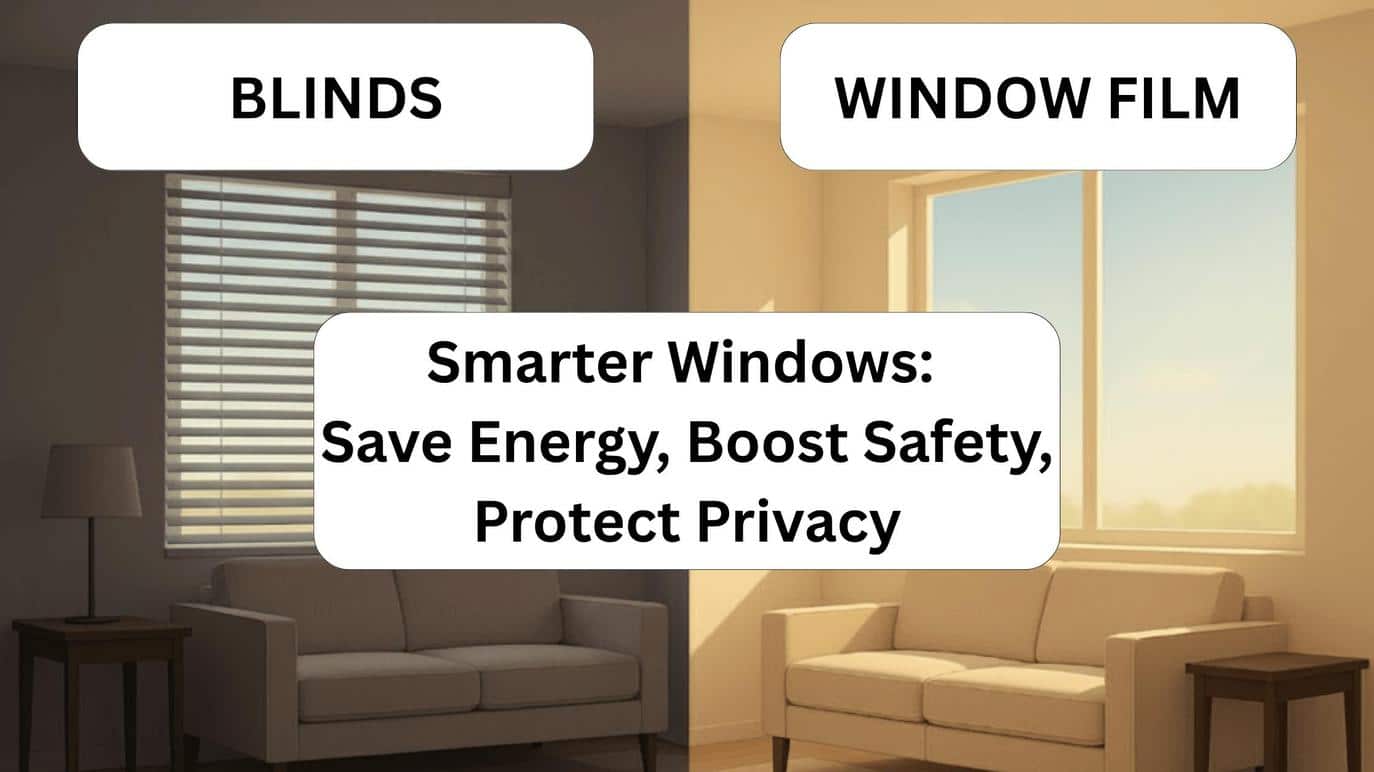
The Rise of Automated Blinds and AI-Driven Automation
The most significant development is the widespread adoption of full automation.
Modern window treatments learn from homeowners’ habits and function accordingly. AI and machine learning allow them to predict their desires before they even think about them.
Window treatment trends show shades can rise with the sunrise, not because residents set any alarm, but because their AI-powered sensors detect the first light. They can also automatically lower later in the day when the sun is hottest, cutting glare and keeping the room cool.
Consequently, the automated window treatments market, which was 4.1 billion in 2023, is expected to hit 7.6 billion by 2030. Consumers are realizing that value extends beyond aesthetics; it includes convenience and functionality.
Expressive Styles: The Shift to Bold Colors and Custom Patterns
Aesthetics remain a big part of the conversation when discussing the future of window treatments.
People still want to have a say in how the interior of their space looks and feels, and the primary design trend defining the coming years is the shift from safe, neutral options toward bold textures, rich colors, and custom patterns.
Even blackout blinds are becoming increasingly popular, thanks to their ability to transform any space into a natural ‘nighttime’ setting, which is useful for those who live on busy streets.
In cities like New York that almost never sleep, controlling light and noise is essential. Many experts identify blackout blinds as an effective solution to making this happen. The value extends beyond shade. This option also delivers environmental control, energy savings, and acoustic comfort. The system provides effective solutions for creating comfortable and efficient urban living spaces.
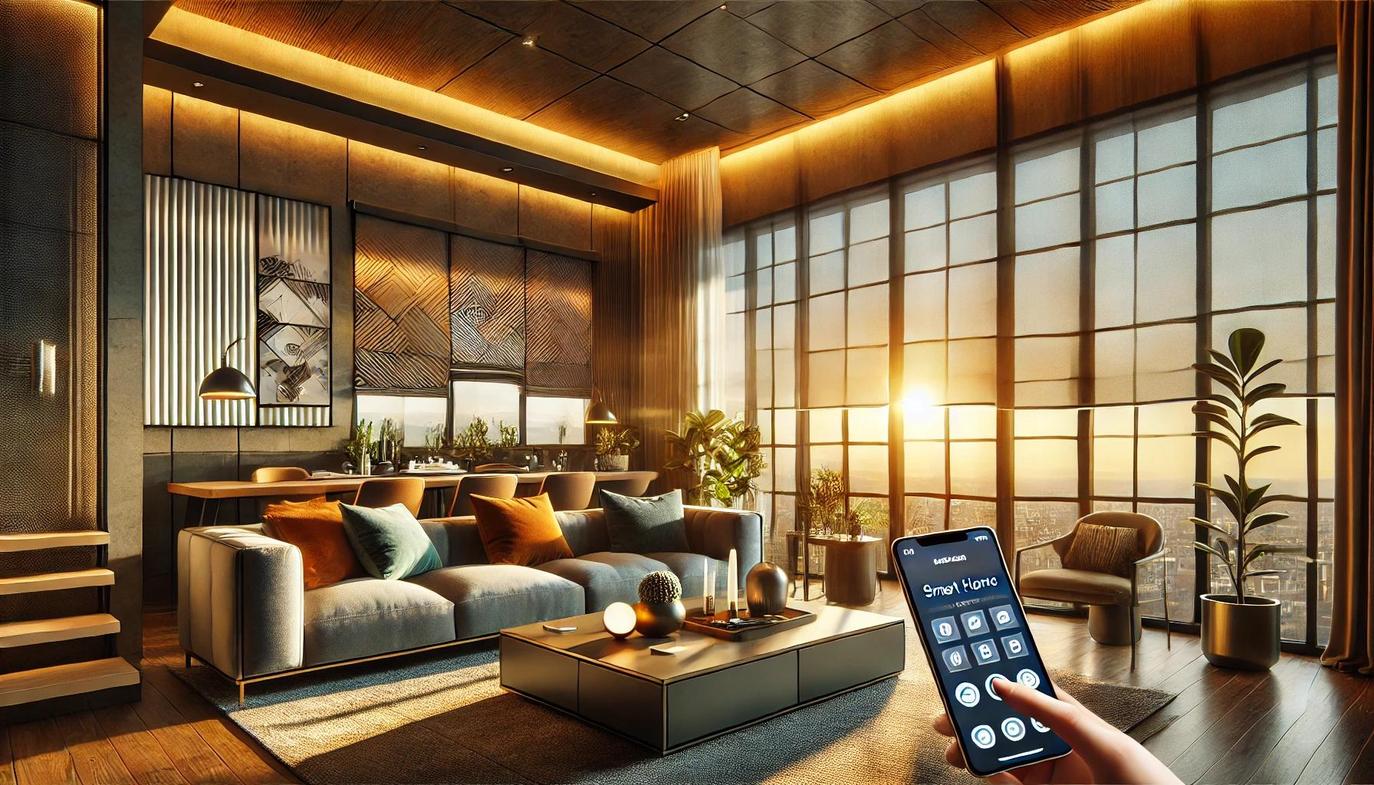
Smart Home Integration with Blinds and Systems
As homes are getting smarter, it’s only natural that window treatments follow suit.
In fact, the trend is now moving towards full integration. This means all systems work together:
- Smart blinds
- Lighting and HVAC
- Systems like Google Home, Amazon Alexa, or Apple HomeKit
Market adoption is already strong. According to Statista, smart home penetration in the U.S. before the end of 2025 will be 89.5%. This figure will rise to hit 99.0% by 2029.
Consequently, the era of keeping dozens of remote controls is slowly coming to an end. All you need is a smartphone and the appropriate app to connect and control everything from anywhere. Think Alexa, go to movie mode, and blackout shades quietly deploy even as the light goes dim.
This level of home automation provides measurably enhanced functionality to any space.
Energy Efficiency: The Performance of Cellular Shades and Thermal Curtains
Did you know that windows can lose up to 30% of a home’s heating and cooling energy? The potential financial loss motivates consumers to seek energy-efficient window treatments for savings.
That’s where window treatment options come in, including:
- Cellular shades
- Thermal curtains
- Automated solar blinds
They keep interior spaces cooler in the summer and warmer in the winter, and because they typically adjust automatically, they eliminate waste.
Cellular shades, in particular, are leading the trend. Their unique layered design traps air in small pockets. This creates a powerful layer of insulation that can reduce heat loss by up to 40%. The result is comfortable rooms and lower energy bills, season after season.

Sustainable Materials in Window Coverings
The next generation of window treatments will be made to be beautiful and energy efficient while also leaving a lighter footprint on the environment. This is where innovation meets responsibility.
Consumer demand is high. According to PWC, consumers are willing to pay a premium, up to 9.7% more, for products sourced or produced sustainably.
Sustainability will soon become a key part of every design conversation. This includes materials such as:
- Recycled plastic
- Beautifully woven woods
- Fabric treated with non-toxic, plant-based coatings
The next advancement in window treatments is expected to originate from material science, not just motor technology.
Summary of Window Treatment Evolution
The way we think about window treatments is changing.
Modern window treatments feature AI-powered blinds that adjust automatically and eco-friendly materials that reflect a homeowner’s values. They are no longer just accessories. They have evolved into highly functional systems designed to deliver:
- Aesthetics
- Comfort
- Convenience

The Future Is Intentional: Style, Efficiency, and Tech
The evolution of window treatments marks a shift from simple aesthetic choices to integrated, functional technology. The key trends—AI-driven automation, smart home integration, and material sustainability—demonstrate that modern homeowners prioritize performance as much as style. These advancements allow for precise environmental control, leading to significant energy savings and a reduction in energy bills.
Intentional design defines the next generation of treatments. By merging the heat-blocking ability of cellular shades with the ease of automated blinds, customers get systems that adjust to their preferences, improve sound comfort, and showcase their personal style using eco-friendly materials.
Answers to Questions on Window Treatment Trends
Are Automated Blinds Worth the Investment?
Yes, automated blinds offer significant return on investment through convenience and energy savings. Their ability to automatically adjust based on sunlight detection reduces glare and heat gain, lowering the burden on the HVAC system and helping to reduce your energy bills.
How Do Cellular Shades Save Energy?
Cellular shades are considered a leading energy-efficient window treatment because their unique honeycomb design traps air. This trapped air creates a layer of insulation, effectively reducing heat loss in the winter and minimizing heat gain in the summer, directly impacting your lower energy bills.
What Sustainable Materials Are Trending for Window Treatments?
Consumers are increasingly seeking sustainable materials like recycled plastic fabrics, beautifully woven woods, and non-toxic, plant-based coatings. This trend reflects a growing demand for products that leave a lighter environmental footprint.


