
Excessive sun exposure in residential or commercial buildings can lead to significant issues. Uncontrolled solar gain often creates uncomfortable “hot spots,” severe glare on screens, and overburdened HVAC systems. Traditional solutions like blinds offer limited heat rejection, failing to address the root cause of high energy bills and discomfort. Solar control window film provides a solution by addressing these problems at the glass.
This article outlines the functional benefits of modern window film. Small, science-based applications of solar control film, security film, and UV film change how glass performs. While the glass retains its transparency, the interior environment is measurably improved with better temperature control, safety, and glare control.
Window Film vs. Blinds: What Really Cuts Bills
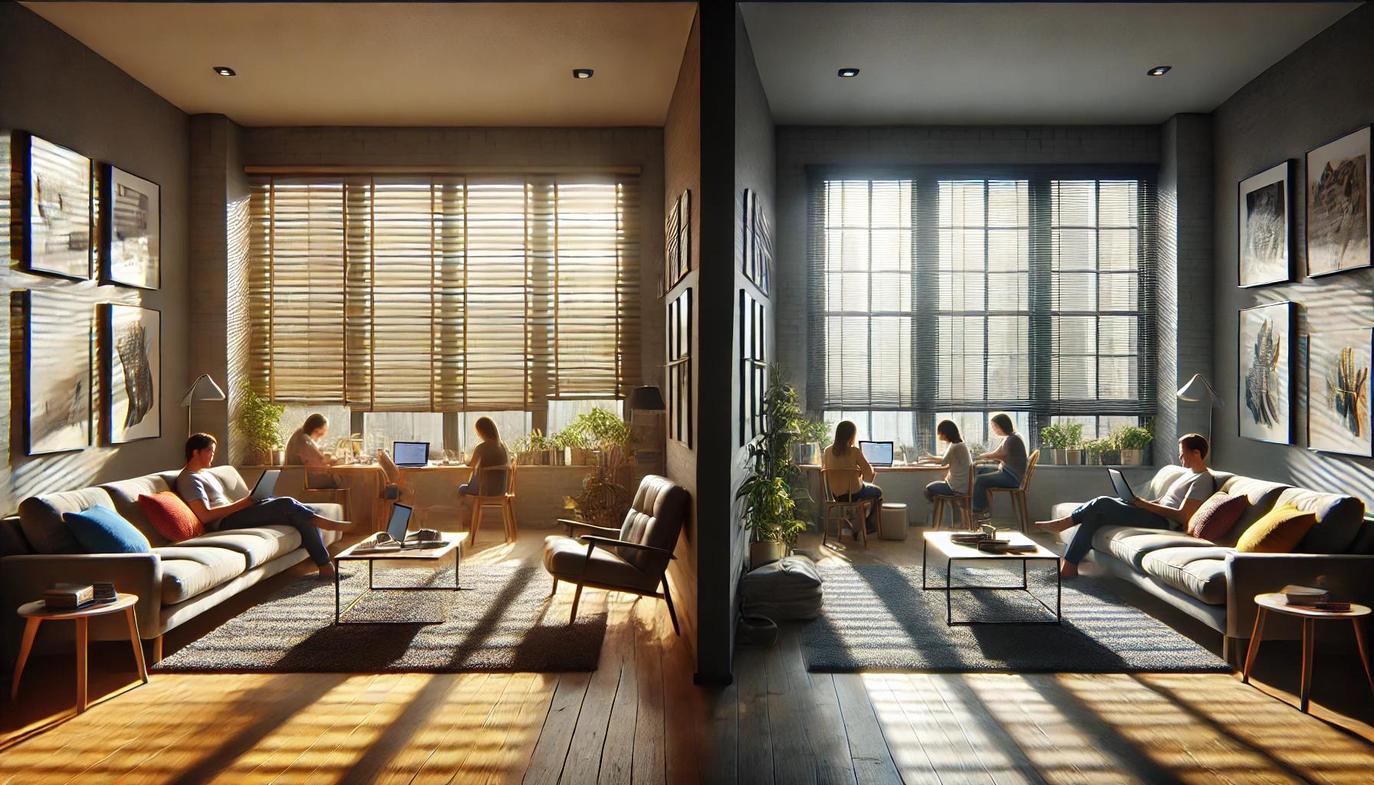
When comparing window film vs. blinds, blinds are a common solution for glare control. However, blinds primarily block light, not heat. Window films block heat at the glass. That difference matters.
Solar energy hits the pane. Solar control film reflects and absorbs part of that energy before it becomes room heat. Blinds sit inside the room. The heat comes right through the glass, so the air gets warmer and the HVAC system must work harder, increasing cooling loads.
Real-world applications show the pattern. Rooms with window tinting for privacy and solar control are often measurably cooler, causing cooling loads to drop and energy bills to follow. Daylight is maintained, improving comfort without sacrificing natural light.
Window UV protection, glare control, and energy savings are primary benefits of film. Blinds primarily assist with visual comfort. While the two can work together, the film provides the primary thermal performance.
Can Film Stop Break-Ins or Just Slow Them?
During security tests, when a hammer strikes a window treated with security film, the glass cracks but does not typically fall from the frame. The film holds the shards together, keeping the pane intact for a critical period.
This delay is the core function of security film. The objective is not to make the glass unbreakable, but to delay forced entry. By holding shattered pieces together, forced entry takes longer. Alarms have time to sound. People have time to react. Many incidents end when the barrier frustrates the intruder.
In building safety, time is a critical tool. Security window film reinforces fragile glass, turning it into a more resilient layer in the security system. Doors, locks, frames, and procedures still matter. The film simply raises the bar with a quiet, always-on defense.
Health Settings: Privacy Without Blocking Daylight
Healthcare settings demonstrate that people recover more effectively in calm, daylight-rich spaces. People also need:
- Privacy and dignity in a difficult moment.
- Focus during a clinical procedure.
- Safety in a behavioral health room.
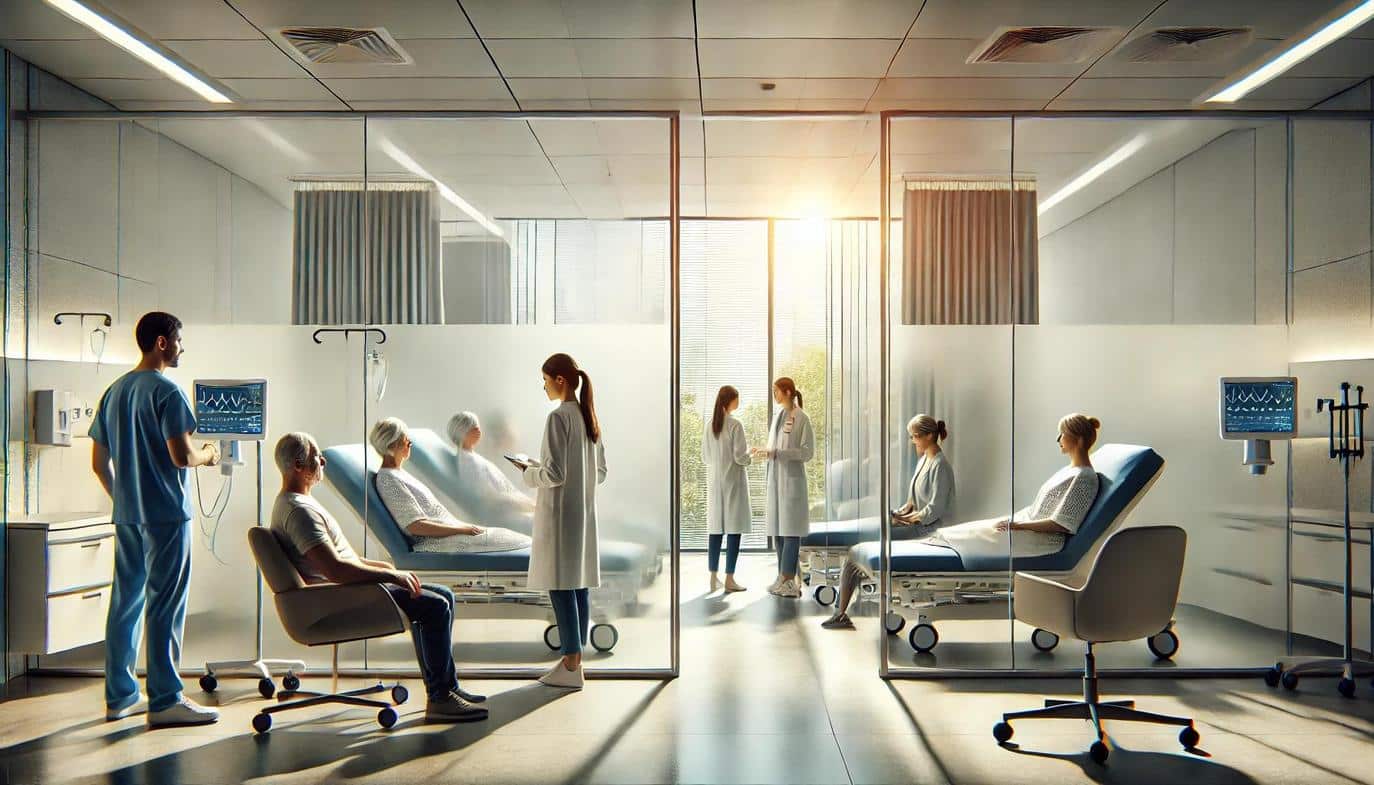
Privacy film helps achieve both goals. Frosted patterns soften visibility without blocking daylight. One-way or patterned films manage lines of sight while maintaining a bright, naturally lit environment. Staff can work in clear light. Patients can rest without feeling exposed.
To stay bright and private, hospitals and clinics use window UV protection that reduces glare and UV while still meeting privacy guidelines. The result is simplified cleaning and softer, more natural light, addressing key window film for healthcare privacy needs.
Comfort & Well-Being: UV, Glare, and Hot Spots
While natural daylight is beneficial for well-being, it also causes fading in floors and fabrics. UV film blocks up to 99% of UV radiation. This protects skin from exposure and preserves interior finishes, all while maintaining the view.
Glare is a common issue, causing eye strain and reducing screen visibility. Solar control film effectively reduces this harsh light. Rooms become more visually comfortable, allowing for productive work and media viewing without needing to close blinds.
Temperature regulation is another key benefit, as hot spots near windows are minimized. This normalization of temperature makes the entire space more usable.
Why Retrofit Your Windows Instead of Replacing Them
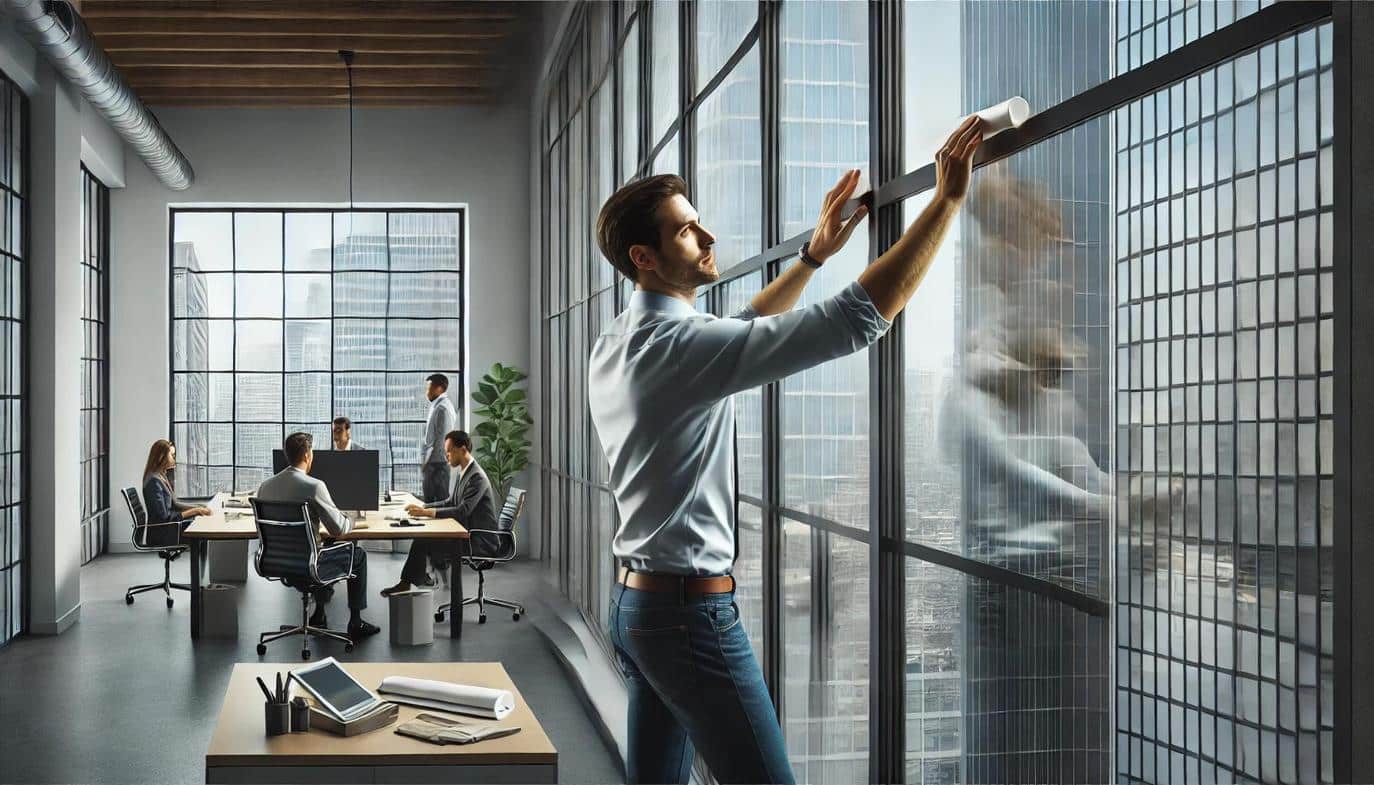
A retrofit with window film offers a scalable solution. Replacing windows is a capital-intensive project involving significant time and carbon. In contrast, applying film to existing glass takes hours and has a fraction of the environmental footprint, offering immediate performance benefits.
The retrofit process involves less waste, mess, and waiting. A technician simply cleans the window, applies the film, and smooths it out. The benefits are immediate:
- The room is ready in hours, not days.
- The space stays in service during installation.
- The building keeps running without major disruption.
For cities chasing climate targets, the impact is significant. Window film turns millions of existing panes into high-performance assets. This retrofit upgrade fits into standard maintenance cycles and supports sustainability goals without new construction.
How Window Film Connects Policy to Practice
Window film is a practical tool that bridges the gap between high-level policy and real-world building performance.
- Energy policy: Solar control films lower cooling demand and help buildings hit performance targets. Managers see quieter HVAC cycles and smoother peak loads.
- Safety guidelines: Security film strengthens vulnerable glass in entryways, lobbies, and sidelights. Schools, offices, and storefronts gain delay time without bars or heavy grates.
- Health standards: Privacy films help facilities meet patient confidentiality requirements while still delivering daylight and views, addressing key window film for healthcare privacy needs.
This technology supports environmental, health, education, and business goals through a single, thin-layer application, demonstrating a practical application of science to existing glass.

A Clear Choice for Comfort and Safety
Upgrading existing glass with window film is a practical retrofit that delivers immediate results. Whether the priority is to save energy, enhance building safety, or protect interiors from UV radiation, these specialized films offer an effective solution. They lower energy bills by reducing cooling loads, provide critical delay time against forced entry, and block harmful UV radiation without sacrificing natural daylight.
This technology allows home and building owners to improve performance without the high cost and environmental impact of full window replacement. By addressing energy, safety, and comfort in one application, window film stands out as a highly efficient upgrade for modern buildings.
The Real-World Impact on Building Occupants
Natural daylight is a desirable feature in any building. However, this often comes with penalties like hot spots and severe glare. Window film mitigates these negative effects without blocking the view, improving the daily experience of occupants.
High-performance windows are a practical step toward healthier homes, safer entries, and lower energy bills. The retrofit application is thin, quiet, and almost invisible, yet the impact on comfort and efficiency is significant.
Whether at home or in the workplace, the plan is simple:
- Utilize the existing glass infrastructure.
- Upgrade the glass performance to serve building occupants.
- Apply window film, security film, and solar control solutions to protect comfort, privacy, and budgets while supporting sustainability goals.
Common Questions About Window Film
How Much Energy Does Solar Control Film Save?
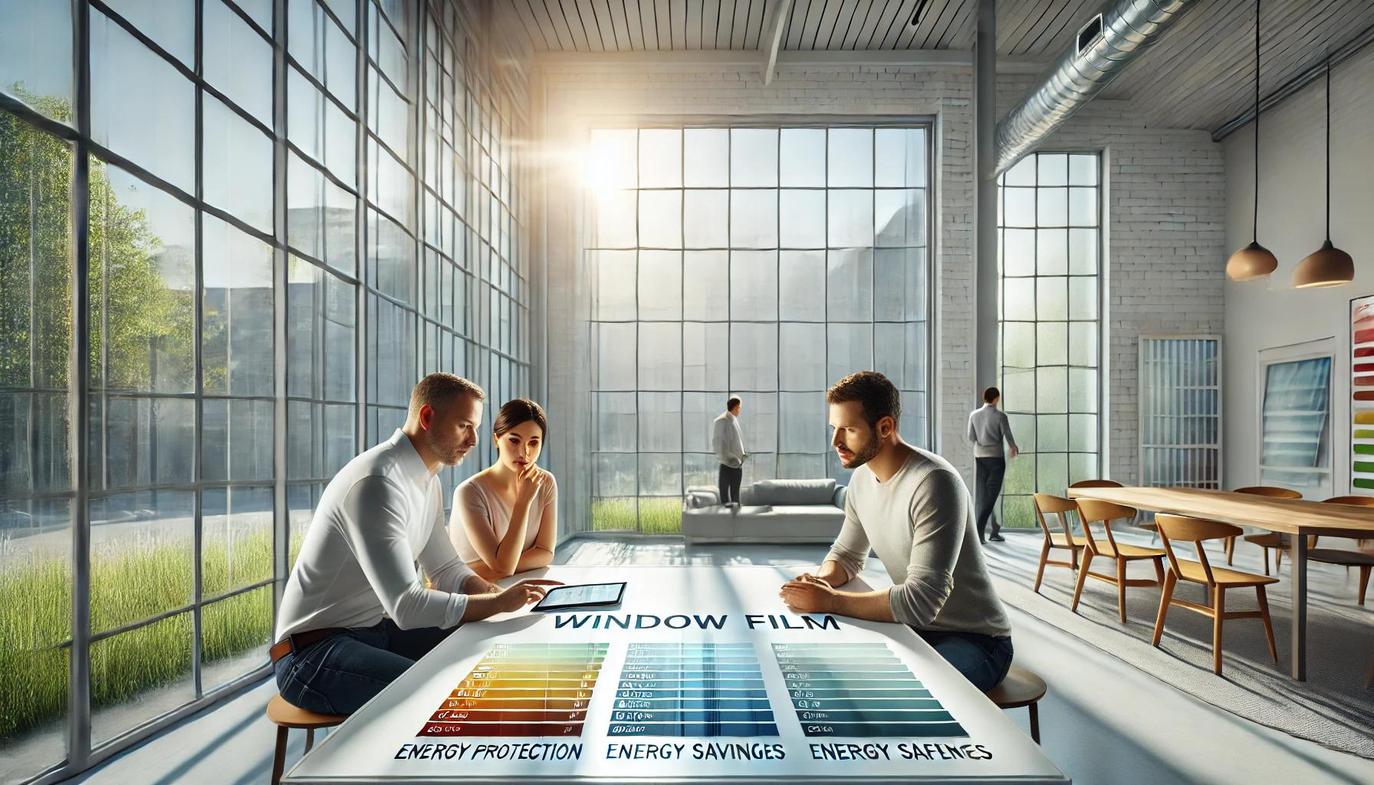
Energy savings vary, but solar control film can significantly reduce heat gain (up to 80%), which lowers the load on your HVAC system. This often translates into noticeable savings on cooling-related energy bills, especially in climates with heavy sun exposure.
Can Security Film Really Stop a Break-In?
Security film is designed to delay entry, not make the glass unbreakable. By holding shattered glass together, it makes forced entry significantly more difficult and time-consuming. This delay gives alarms time to sound and occupants time to react, and it often frustrates intruders enough that they move on.
Is UV Film Necessary if My Windows Are Already New?
Most modern windows block some UV rays, but not all. A dedicated UV film blocks over 99% of UV-A and UV-B rays, which is the primary cause of fading floors and furniture. It offers a superior level of protection for your interiors and skin than most standard glass provides.

