
Modern Australian homes celebrate spacious, light-filled interiors, with open-plan living designed to connect spaces and people. This sense of freedom and flow is desirable, but it often presents a unique challenge. Without defined walls, how do you prevent a large, multifunctional area from feeling cold, impersonal, or undefined?
The solution is found in deliberate and thoughtful design choices. Creating a home that feels both expansive and intimate requires a strategic approach. From the curves of your furniture and the warmth of a layered rug to the specific hues on your walls and the glow of ambient light, every detail works to build an atmosphere. This guide explores how to use texture, colour, layout, and lighting to infuse your open-plan space with genuine warmth and personality.

Use Inviting Furniture and Curved Shapes
Furniture is essential for defining both the comfort and visual flow of an open-plan layout. Avoid relying on sharp edges and uniform pieces; instead, introduce curved forms to soften the space. A rounded coffee table helps to break up straight lines and adds a welcoming sense of movement. Choosing a mix of upholstered seating adds tactile depth. Timber accents can provide a warm contrast. Small decisions like these make the space feel designed rather than decorated.
Create Warmth by Layering Textures
Texture is an easy and effective way to add warmth to an expansive space. Layer rugs, throws, and cushions in different materials (consider using chunky knits, natural fibres, and soft velvets) to create visual interest and comfort.
Incorporating textured finishes on walls, like timber panelling or stone, grounds the space and makes it feel more intimate.
Defining Zones Without Losing the Flow
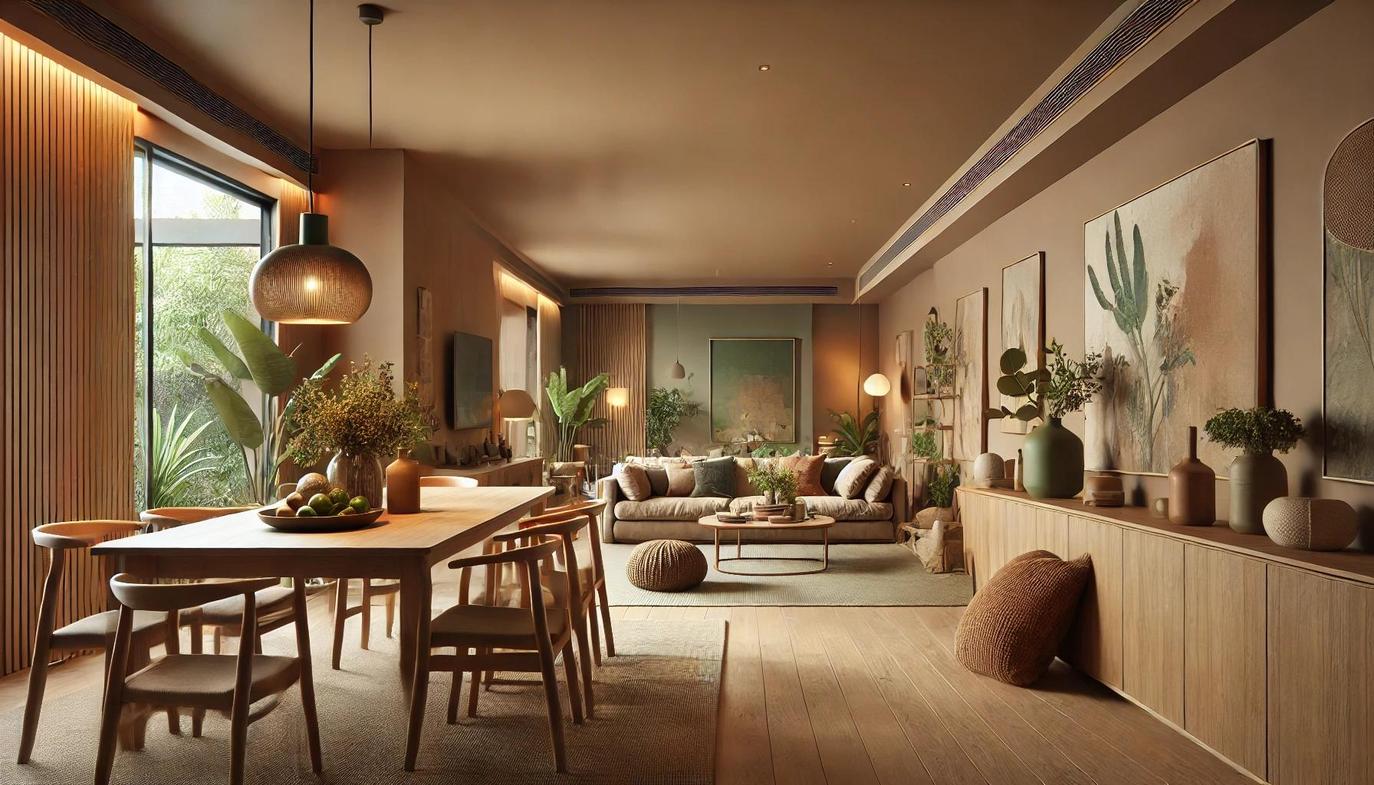
An open-plan home depends on flexibility, but distinct zones are essential for maintaining function and atmosphere. Use area rugs, pendant lighting, or furniture placement to subtly define zones. This method creates areas for lounging, dining, and working without blocking sightlines. Positioning a sofa to face a coffee table and rug combination establishes a living area, while a statement dining light anchors the meal space nearby.
Choose a Warm and Earthy Colour Palette
White walls and neutral tones are popular in open-plan homes but can sometimes feel sterile. Introduce earthy hues like clay, ochre, terracotta, and olive green to inject warmth and depth. Earthy hues pair beautifully with natural materials such as wood and linen. The combination of warm colours and natural materials creates a sense of comfort that balances the openness of the space.
Implement Strategic Lighting Layers
Lighting profoundly impacts the atmosphere of a room. A combination of task, ambient, and accent lighting is essential. Strategic layering allows you to shift the mood depending on the time of day or occasion. Warm, diffused lighting from table lamps, wall sconces, or LED strips beneath shelving instantly softens a large space. Warm, diffused lighting creates a comfortable, homely glow.
Add Personality with Personal Details
Your home should tell your story. Display personal artwork, travel souvenirs, or heirloom furniture pieces. Such items should reflect your history and taste. Open shelving and styled console tables are perfect opportunities to showcase your personality. Curated display areas can showcase your personality without overwhelming the space.

Your Guide to a Warmer, More Personal Open-Plan Home
Transforming an open-plan home from a vast space into an inviting sanctuary is achieved through deliberate choices. The process balances the airy, light-filled nature of the layout. This balance is achieved with layers of texture, strategic colour, and smart furniture placement. Defining distinct zones for living, dining, and working creates structure and purpose without sacrificing the sense of flow that makes these homes so desirable.
The final layer of warmth in your home comes from the personality you infuse into it. Curved furniture softens sharp architectural lines, layered lighting creates intimacy, and earthy colour palettes provide a comfortable backdrop. When you combine these elements with personal touches like artwork and textiles, you craft a stylish and functional space. Your space then becomes a true reflection of who you are.
Common Questions on Styling Open-Plan Spaces
What is the Best Way to Define Zones Without Using Walls?
Area rugs are the most effective tool for defining zones. A large rug can anchor a living area, while a different style of rug can designate the dining space. You can also use pendant lighting over a dining table or position a console table behind a sofa to create a subtle visual separation.
How Can I Add Warmth if I Only Have White Walls?
Focus on textiles and natural materials. Layering chunky knit throws, velvet cushions, and large-scale rugs introduces tactile warmth. Incorporating timber furniture, whether it’s a coffee table, shelving, or side tables, also adds a natural, warm element that beautifully balances the white walls.
Will Curved Furniture Make My Space Look Smaller?
No, curved furniture can actually improve the flow of an open-plan space. Rounded edges, like those on a sofa or coffee table, guide the eye and movement through the area, preventing the “boxy” feel that can result from too many straight lines. It creates a softer, more inviting atmosphere.

