
The traditional rules dictating fashion based on gender are rapidly dissolving. But as personal style evolves, how do functional accessories, particularly eyewear, keep pace? The centuries-old men vs. women in style debate now collides with the demands of our screen-centric world, forcing consumers to choose between an expressive aesthetic and necessary digital well-being. This conflict requires a novel solution that respects both fashion and health.
That solution is the rise of smart eyewear. This technology is specifically designed to harmonize these competing demands by blending high-end aesthetics with crucial functionality. With features like built-in blue light filtering glasses and adaptable unisex designs, brands like Vicci Eyewear develop smart glasses that offer a comprehensive approach to modern living. The result is a genuinely inclusive accessory that provides tangible benefits against common issues like eye strain.
This paradigm shift moves the discussion beyond simple gender categories. How is smart eyewear redefining personal identity for every wearer?

Gender Differences in Eyewear Preferences
Traditional Norms vs. Modern Expression
Traditionally, eyewear choices have been distinctly gendered, with men’s glasses often featuring larger, more robust frames and darker hues, while women’s glasses leaned towards lighter, more delicate designs. Societal norms that dictated gender-specific fashion shaped these preferences.
However, as the boundaries between gender roles become increasingly blurred, so do the distinctions in eyewear. For instance, wire-frame glasses, once considered masculine, are now favored by all genders. The shift reflects a broader cultural movement towards inclusivity and personal expression in fashion, prompting many to question how to tell if glasses are male or female in the first place.
Market Shifts and Generational Taste
Recent market research indicates a significant shift in purchasing patterns, with approximately 30% of consumers now choosing eyewear styles traditionally associated with the opposite gender. Younger generations, who prioritize personal taste over gender-specific design conventions, particularly accentuate this trend.
The rise of oversized frames, for instance, has seen equal adoption across genders, challenging long-held assumptions about frame size and face shape compatibility. Increasingly, consumers are also engaging in discussions online about whether women can wear men’s glasses, as inclusivity becomes a key part of current eyewear and fashion trends.
The Impact of Digital Culture and Virtual Try-On
The influence of social media and digital culture has further transformed how different genders approach eyewear selection. Studies indicate that virtual try-on technologies and online shopping have allowed consumers to experiment with styles outside traditional gender norms. Digital transformation has led to a 40% increase in cross-gender eyewear purchases, with influencers and celebrities playing a crucial role in breaking down stereotypical style barriers.
The emergence of gender-neutral collections has seen particular success in urban markets. Fashion-forward consumers in these areas are more likely to prioritize design aesthetics over traditional gender categorizations. Even tech-enhanced blue light glasses collections are now marketed as unisex, reflecting the connection between inclusivity and digital well-being.
Smart Eyewear Bridging the Gender Gap
Unisex Design as a Core Feature
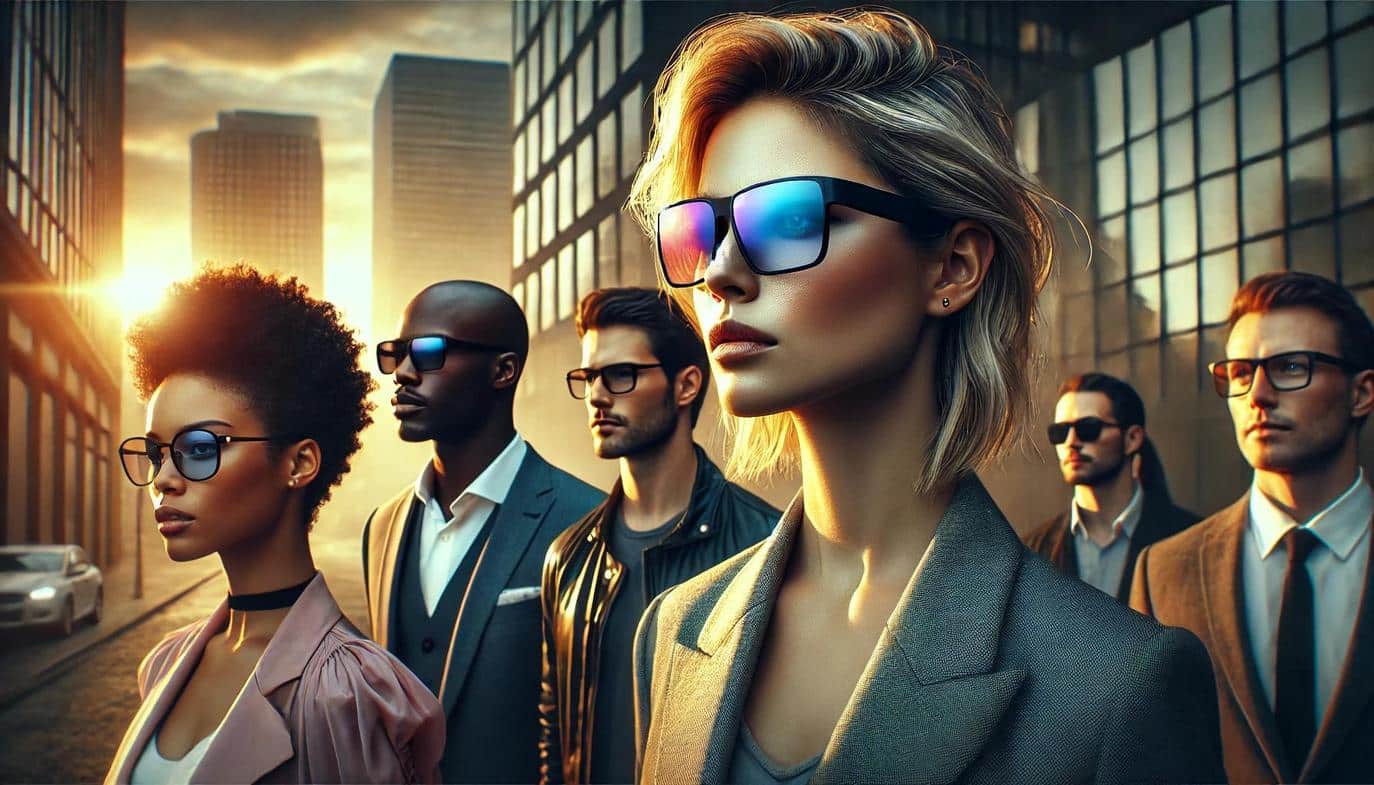
Smart eyewear is at the forefront of bridging the gender gap in style. Unisex designs are becoming increasingly popular, offering versatility and inclusivity. These glasses are fashion-forward and equipped with features like blue light filtering, essential for digital well-being and protecting against eye strain. Smart eyewear addresses the needs of both men and women, providing a balanced solution that caters to diverse preferences and enhances digital life.
Customization and Adaptive Technology
The integration of customizable features in smart eyewear has revolutionized the way we think about gender-specific designs. Advanced technologies now allow frames to adapt to different face shapes and sizes, eliminating the need for strictly gendered collections. Features are being implemented in ways that focus on individual preferences rather than gender-based assumptions, including:
- Voice control features
- Adjustable tints
- Personalized audio settings
This approach creates a more inclusive and adaptable eyewear experience. Such innovations also support eye strain prevention for users who spend long hours on digital devices, improving comfort and long-term visual health.
Functionality Meets Fashion in Smart Eyewear
Balancing Eye Strain Prevention and Comfort
Modern smart eyewear combines functionality with fashion, catering to the needs of tech-savvy individuals. As digital devices become ubiquitous, eye strain is a common concern. Smart glasses, particularly those with blue light filtering capabilities, are in high demand for their ability to alleviate eye strain symptoms. Modern designs emphasize comfort and practicality, with features to ensure a perfect fit for all wearers, regardless of gender:
- Adjustable nose pads
- Lightweight materials
Integrating Advanced Health and Tech Features
The evolution of smart eyewear has introduced innovative features that appeal to all users. These include:
- UV protection
- Anti-glare coatings
- Augmented reality capabilities
Technological advancements like these are being incorporated into frames that maintain a sleek, fashionable appearance without compromising on functionality. The integration of health monitoring features has made smart eyewear an essential tool. These features are key for maintaining digital well-being, including:
- Posture detection
- Screen time tracking
Combined with technologies that prevent eye strain, they provide comprehensive support for visual comfort and lifestyle balance.
Design Elements Enhancing Personal Style
The Rise of Minimalist and Unisex Aesthetics
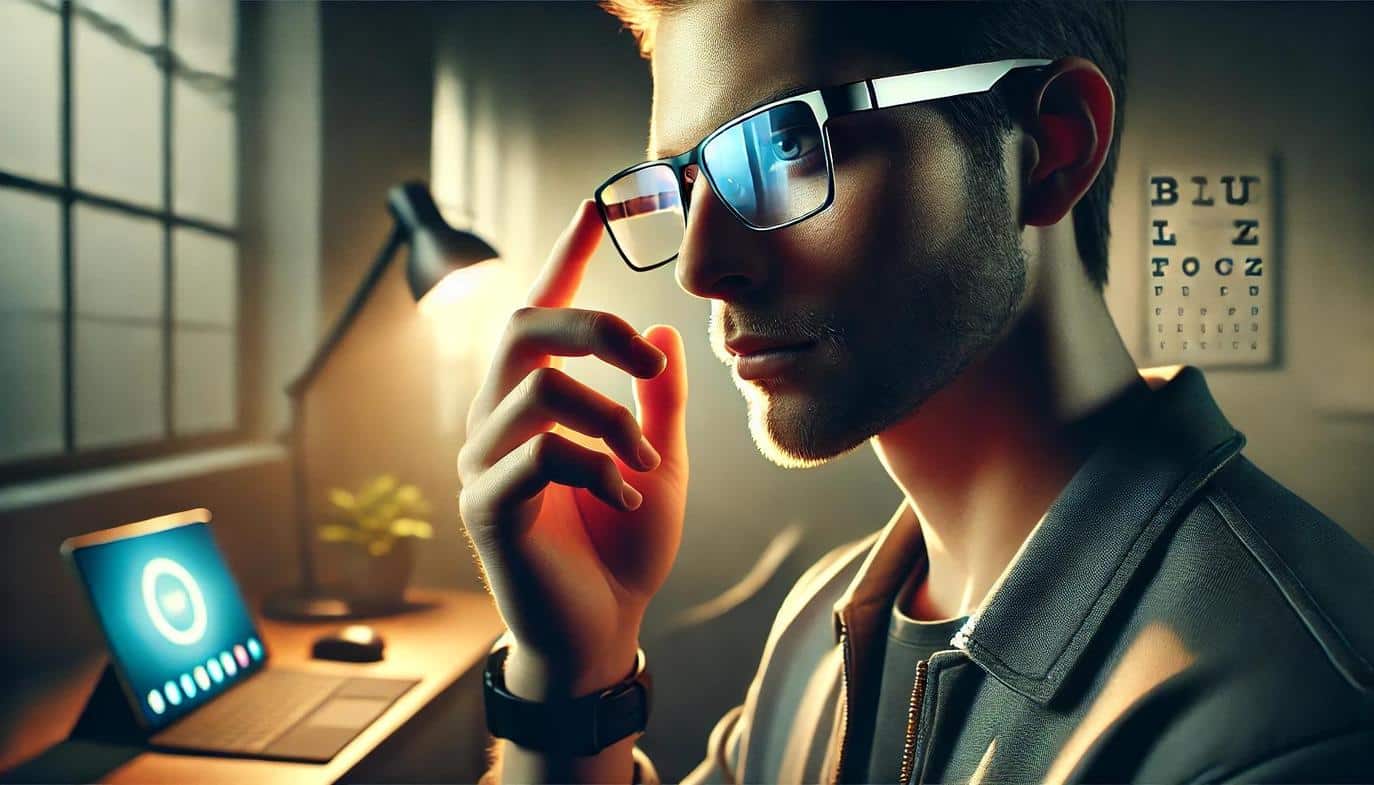
Design elements in smart eyewear play a significant role in enhancing personal style. Minimalist wire-frame glasses offer a sophisticated look that appeals to both men and women. The fit and comfort of these glasses are crucial, as they contribute to both the wearer’s physical comfort and their personal identity.
While there are still subtle differences in design preferences between genders, the rise of unisex options is blurring these lines, allowing individuals to express themselves freely through their eyewear choices. For many consumers curious about how to tell if glasses are male or female, these distinctions are becoming less relevant, as collections become increasingly inclusive.
Modular Components for Personal Expression
Contemporary smart eyewear designers are experimenting with innovative materials and customizable elements that allow wearers to express their individuality. The following components give users freedom:
- Interchangeable temple pieces
- Adjustable color displays
- Modular frame components
Wearers can modify their eyewear according to their mood or occasion. Adaptability has proven particularly successful in markets where traditional gender-based marketing is becoming less relevant, as consumers seek products that reflect their personal style evolution. Men’s glasses and women’s collections are increasingly blending, as discussions such as “Can women wear men’s glasses?” continue to promote a more fluid and expressive approach to personal fashion.
The Future of Eyewear Is Inclusive
The debate of men vs. women in style is evolving, and eyewear is a clear reflection of this cultural shift. As smart eyewear continues to blend high fashion with essential functionality, the lines between traditionally gendered designs are disappearing. The rise of unisex smart glasses demonstrates a move towards inclusivity, where personal style and aesthetics take precedence over outdated norms.
This evolution addresses more than fashion; it addresses the demands of our modern lives. By integrating critical features, smart eyewear provides a necessary tool for digital well-being. These include:
- Blue light glasses filtering
- Customizable fits
It offers a balanced solution that protects against eye strain from digital devices while allowing all individuals to express their personal style without compromise.
Common Questions on Smart Eyewear and Gender
How Can You Tell if Glasses Are Male or Female?
Traditionally, men’s frames were larger, darker, and more angular, while women’s were smaller and more decorative. However, these distinctions are now largely irrelevant. Modern trends favor unisex designs, and features like wire-frame glasses or oversized styles are popular across all genders, making personal taste the most important factor.
Can Women Wear Men’s Glasses for Style?
Absolutely. The “can women wear men’s glasses” discussion is very common, and the answer is yes. Many women prefer the fit or aesthetic of frames marketed to men, and vice versa. Style is about personal expression, and inclusivity in fashion encourages wearers to choose whatever frames they find appealing.
How Does Smart Eyewear Help With Digital Well-Being?
Smart eyewear contributes to digital well-being primarily through eye strain prevention. Many smart glasses include built-in blue light filtering glasses, which can reduce eye fatigue, dryness, and headaches associated with long hours spent looking at digital devices.

