
Quantum dots have shown their unique potential in various fields throughout the years, but mass-producing them would pose environmental concerns. With this in mind, Hiroshima University scientists have created the world’s first silicon quantum dot LED light using discarded rice husks.
Ken-ichi Saitow, the study’s lead author and a chemistry professor at Hiroshima University, said:
“Since typical quantum dots often involve toxic material, such as cadmium, lead, or other heavy metals, environmental concerns have been frequently deliberated when using nanomaterials. Our proposed process and fabrication method for quantum dots minimize these concerns.”
Saitow and his team are interested in silicon quantum dots, which avoid heavy metals and have other advantages. They are among the top possibilities for usage in quantum computing due to their stability and greater operating temperatures. Their non-toxic nature also makes them appropriate for medicinal applications.
The study aimed to create a new kind of silicon quantum dot that uses waste materials, which led the researchers to the roughly 100 million tons of rice husk waste produced each year worldwide. These rejected rice husks are a rich silicon source, which the researchers extracted using a unique processing approach.
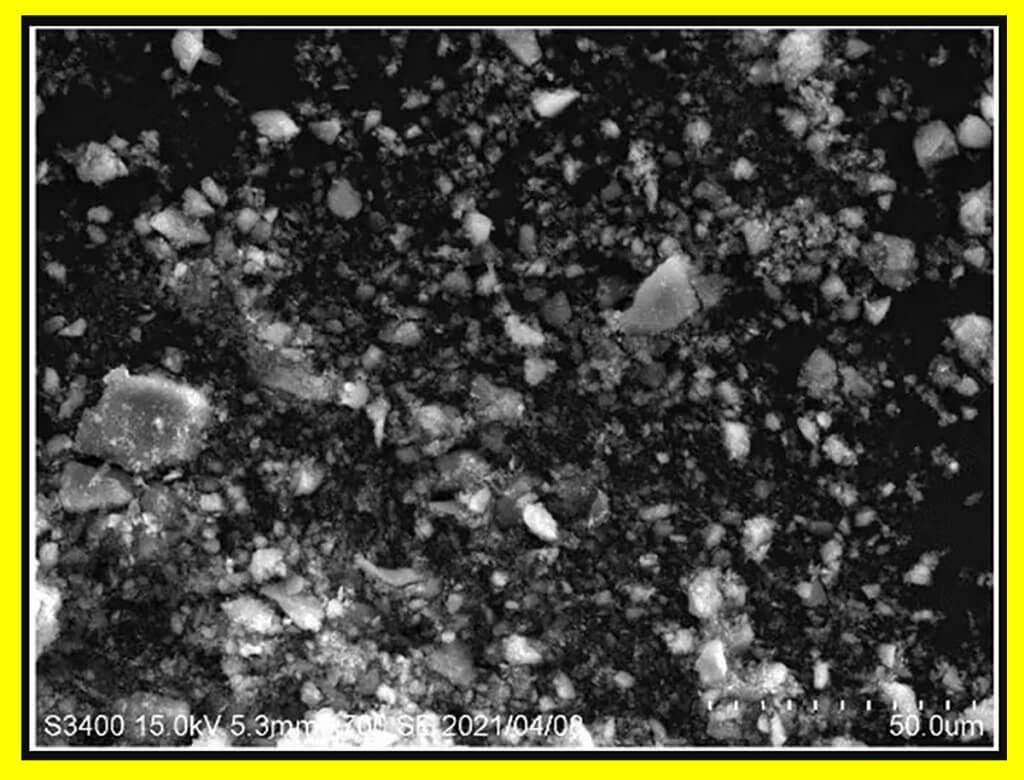
The rice husks were milled, and organic compounds were burned off to extract silica powders. These powders were then heated in a furnace. The resulting purified silica powder particles were then further decreased in size before being dissolved in a liquid to “chemically functionalize” their surface. The final product was silicon quantum dots with a size of 3 nanometers and an orange-red luminescence.
To make an LED, a layer of these silicon quantum dots was mixed with additional materials such as an indium-tin-oxide glass substrate as the anode and an aluminum film as the cathode. “This is the first research to develop an LED from waste rice husks,” stated Saitow. The research was published on January 28, 2022, in ACS Sustainable Chemistry & Engineering.
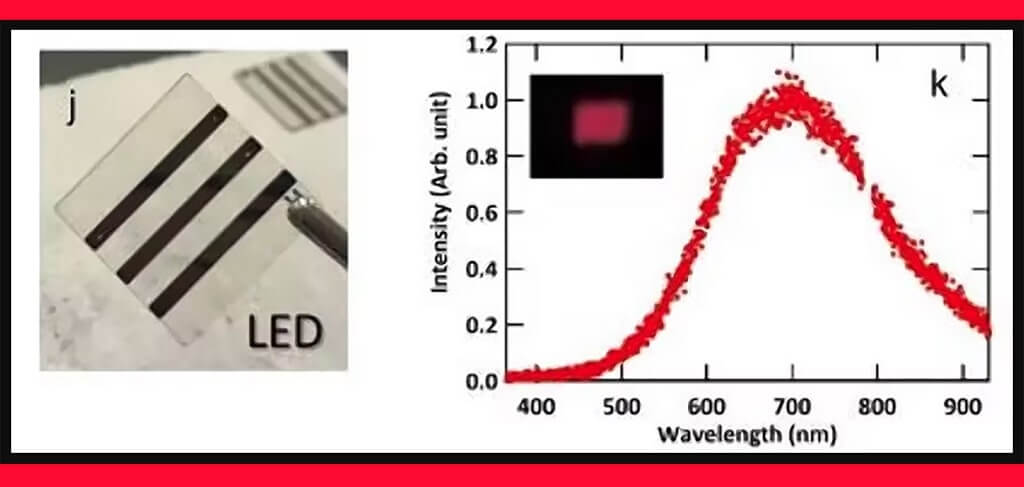
The scientists intend to increase the LEDs’ performance, making them more efficient at illuminating and creating versions in colors other than orange-red. They also envision the technology being modified to use different types of plant waste, such as barley, wheat, and grass.


