
Vulcan Energy Resources, an ASX-listed company with its Australian headquarters in Perth, has been investigating the potential of producing emissions-free lithium in Europe. It has published pre-feasibility results, which show that its proposed facility at a project in Germany’s Upper Rhine Valley would be highly profitable.
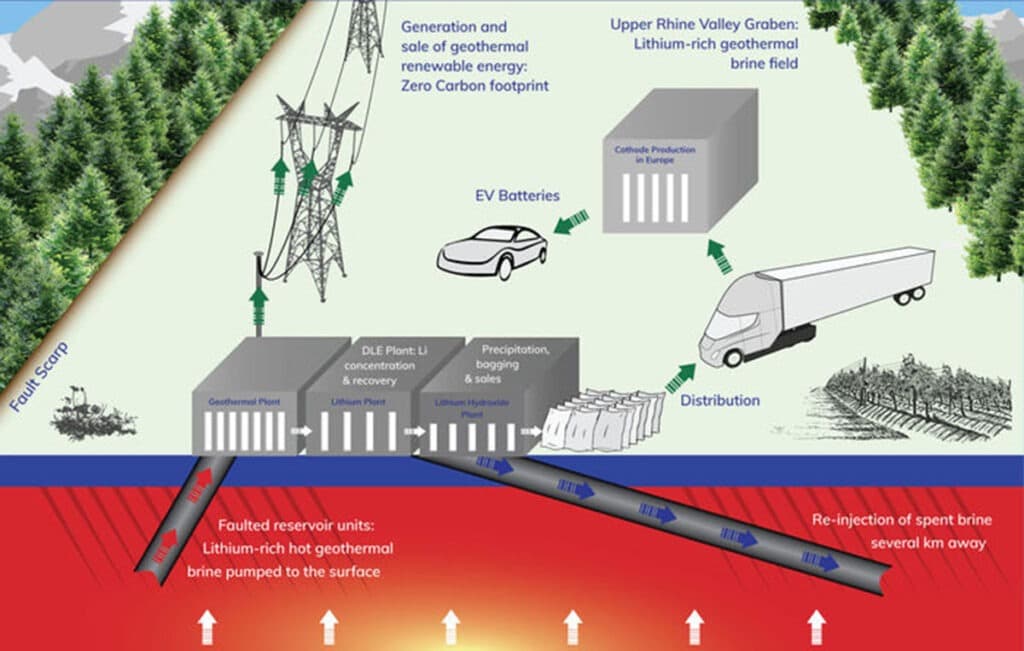
The €1.74 billion (A$2.7 billion) lithium production facility will be emissions-free because it will be linked to a 74MW geothermal energy project that will generate all the factory’s electricity. The generator will draw heat from the lithium deposit itself. It will be a reliable source of clean energy and benefit from attractive feed-in-tariffs.
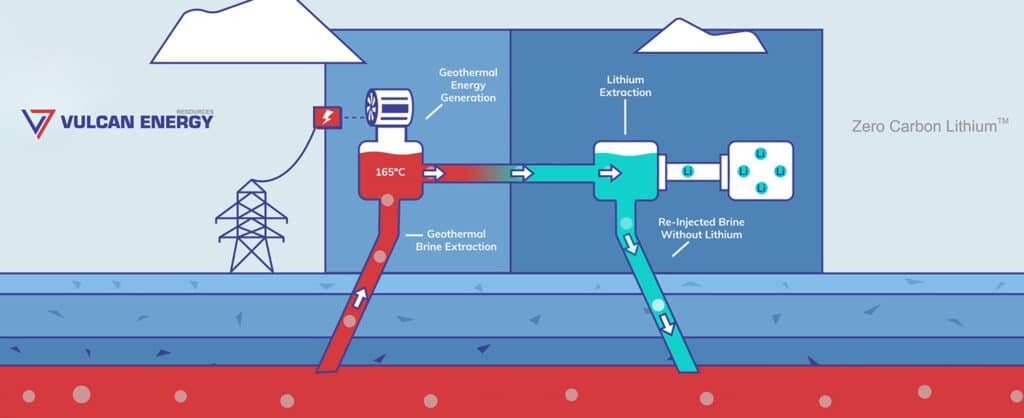
The pre-feasibility study found that the planned facility could produce up to 40,000 tons of battery-quality lithium hydroxide chemical product each year, the usable ingredient for battery production. It would also be looking to tap into a deposit of 1.12 million tons of lithium carbonate equivalent in Germany, Europe’s largest.
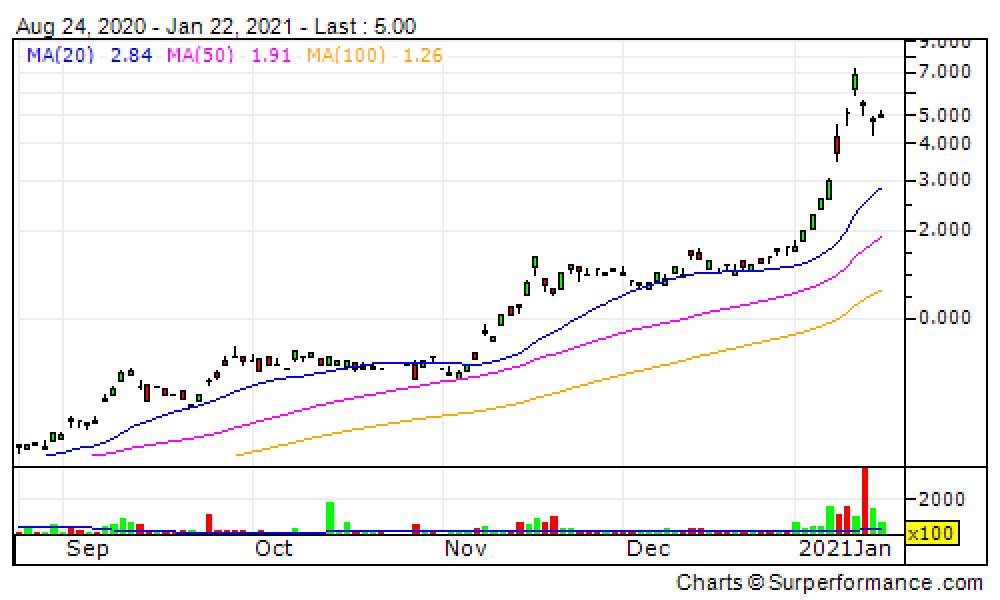
The study also revealed Vulcan could achieve an expected pre-tax internal rate of return as high as 26%. This information sent the company’s shares value soaring to around 40% higher than before the study (and more than double the price since the start of the year).
Vulcan will be looking to breach the emerging European lithium-ion battery and electric vehicle (EV) market with its product. The surging market for EVs and battery storage has benefited lithium producers greatly in Australia and Europe already.
And now, Europe is the fastest-growing market for EVs, with the sector only expected to flourish thanks to Tesla’s Berlin Gigafactory plans, the push of major German carmakers into the EV market (Volkswagen, Daimler, etc.), and the EU’s climate goals.
At the moment, 80% of the world’s lithium production is controlled by Chinese based producers. Transitioning to local production in Europe would help address supply chain and environmental concerns; so, the region’s battery manufacturers are likely welcoming Vulcans ambitious proposal.
Dr. Francis Wedin, Vulcan’s Managing Director, said:
We are very pleased to reach this major milestone for investors in Vulcan and the Zero Carbon Lithium Project. The PFS has demonstrated robust economics for both the lithium and energy parts of the project, both independently and combined. This means that there doesn’t need to be a compromise on the ethical and environmental sourcing of battery raw materials for Europe’s current rapid transition to electric vehicles and renewable energy storage.
We’ve shown the potential for zero carbon production of lithium hydroxide, with co-production of renewable geothermal energy, to be highly profitable as well as environmentally friendly. We see commerciality and strong environmental credentials as being critically interlinked, not mutually exclusive. 2021 should be a transformative year for Vulcan, as we commence our DFS, scale up our lithium extraction piloting and advance discussions with European off-takers for our Zero Carbon Lithium product.
The company’s next steps include completing a ‘definitive’ feasibility study, undertaking extraction testing, securing relevant permits, and progressing negotiations with potential off-takers.


