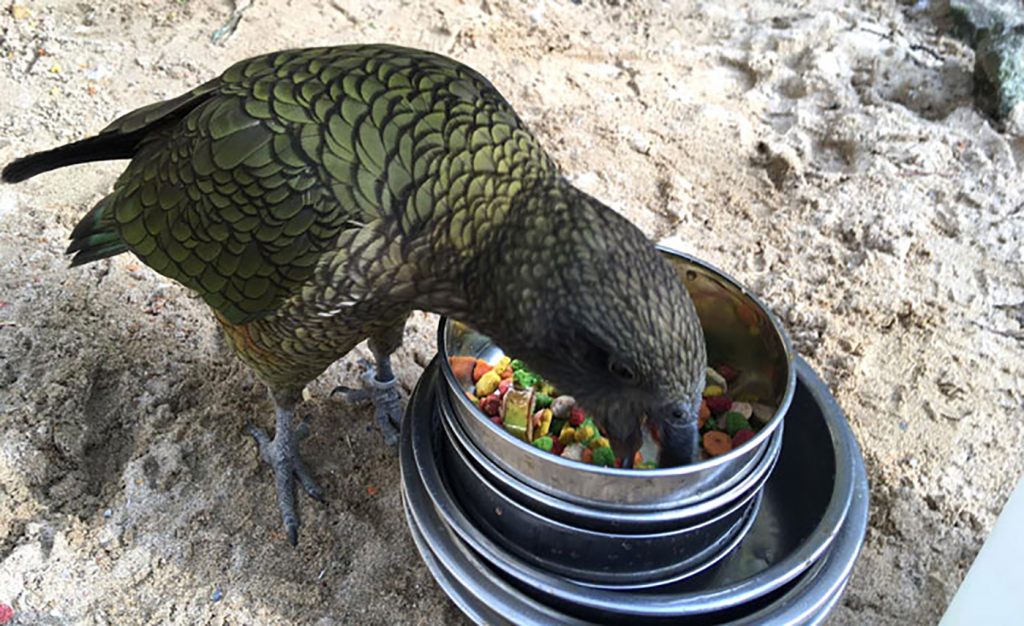
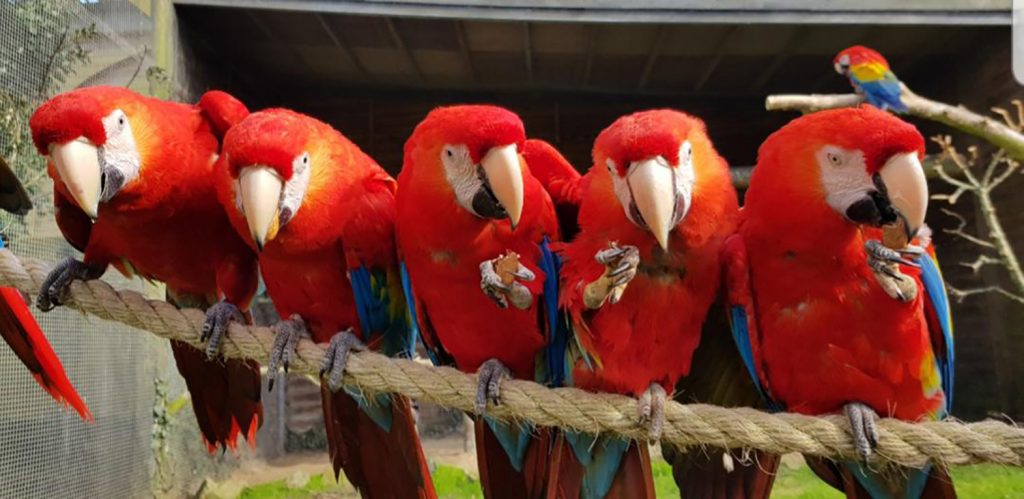
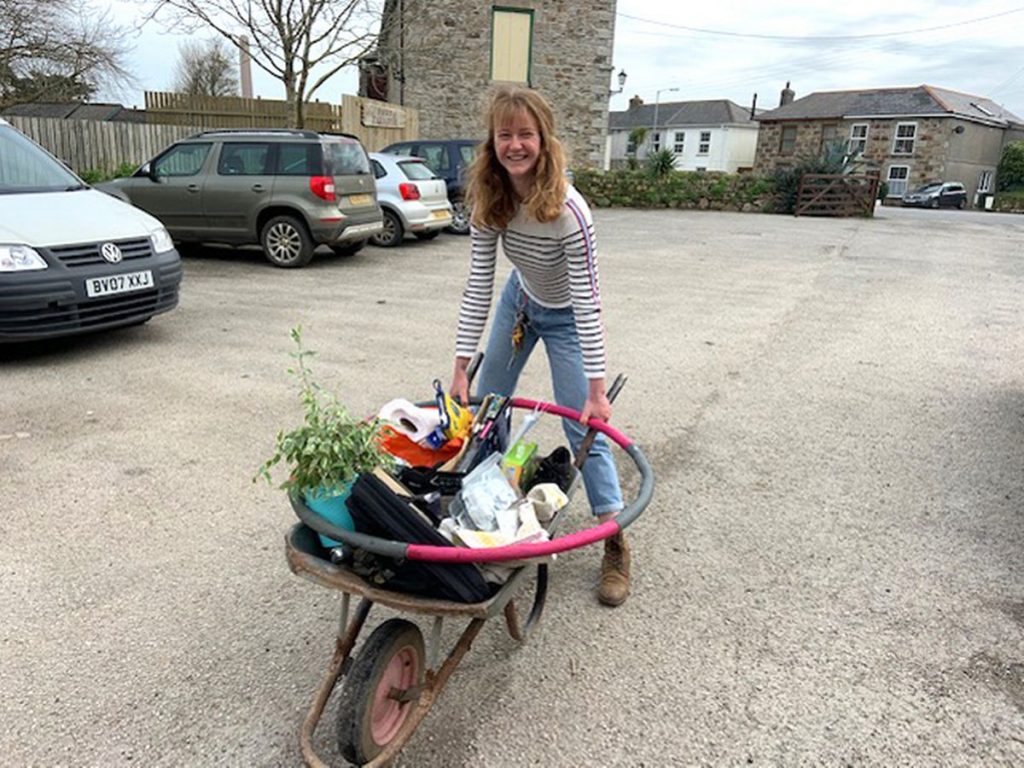
Imagine waking up to the lovely sounds of birds chirping all around you in a tropical wildlife sanctuary, and as you walk around enjoying your morning cup of coffee, parrots say “hello” as you pass by. Four Zookeepers in the UK have the privilege to experience this while self-isolating.
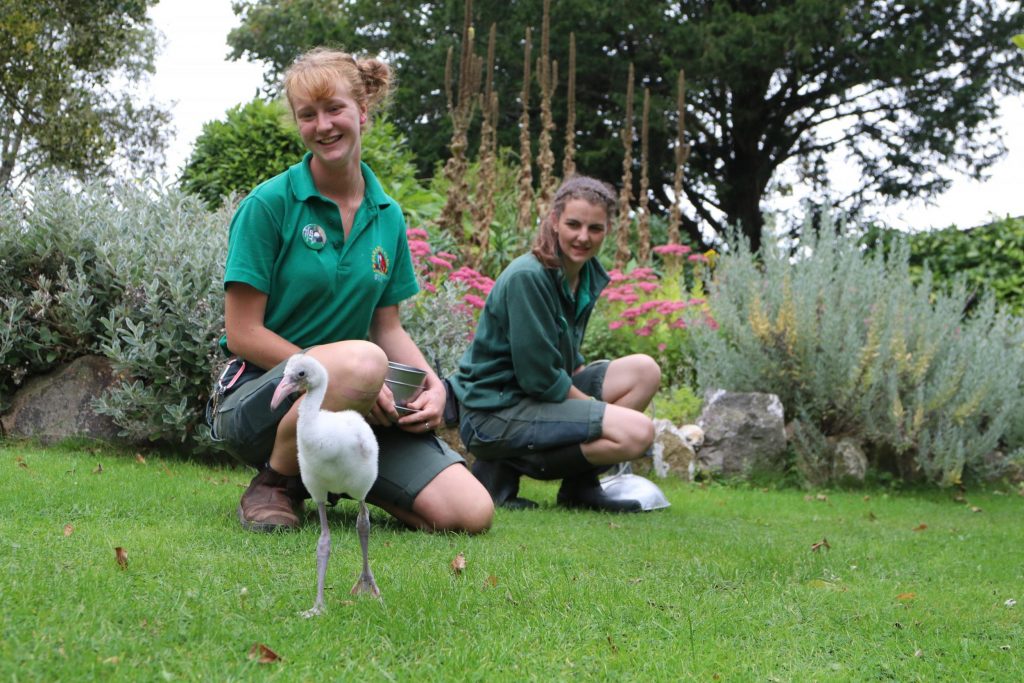
Most parts of the world have shut their borders, closed restaurants, bars, shops, zoos, and have asked residents to stay inside their homes. While most are self-isolating in their homes, some have traveled to their vacation or garden houses. These zookeepers, Layla, Izzy, Emily, and Sarah-Jane, decided to take an unusual approach by self-isolating at work.
Nearly a week ago, Paradise Park, a wildlife sanctuary in Hayle, Cornwall, announced that it would be temporarily closing its doors to visitors due to the COVID-19 outbreak. The park added that they must ensure that the animals continue to get high-quality care, and that’s why they must guarantee the safety and health of their zookeeping staff.
Alison Hales, Paradise Park’s Director, explained:
All our keepers are really dedicated to the animals, but some also have vulnerable family members at home. When they heard the advice about self-isolating to combat the coronavirus, they had to make a decision about whether to stay away from work and isolate with their families. But then they suggested that they could come and stay in the house at Paradise Park to be there for the birds every day without risking the health of their families.
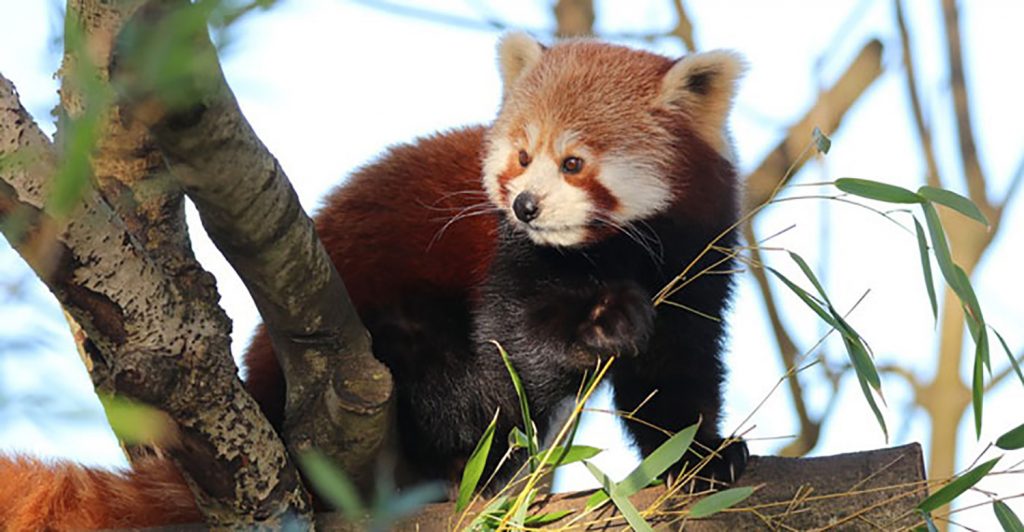
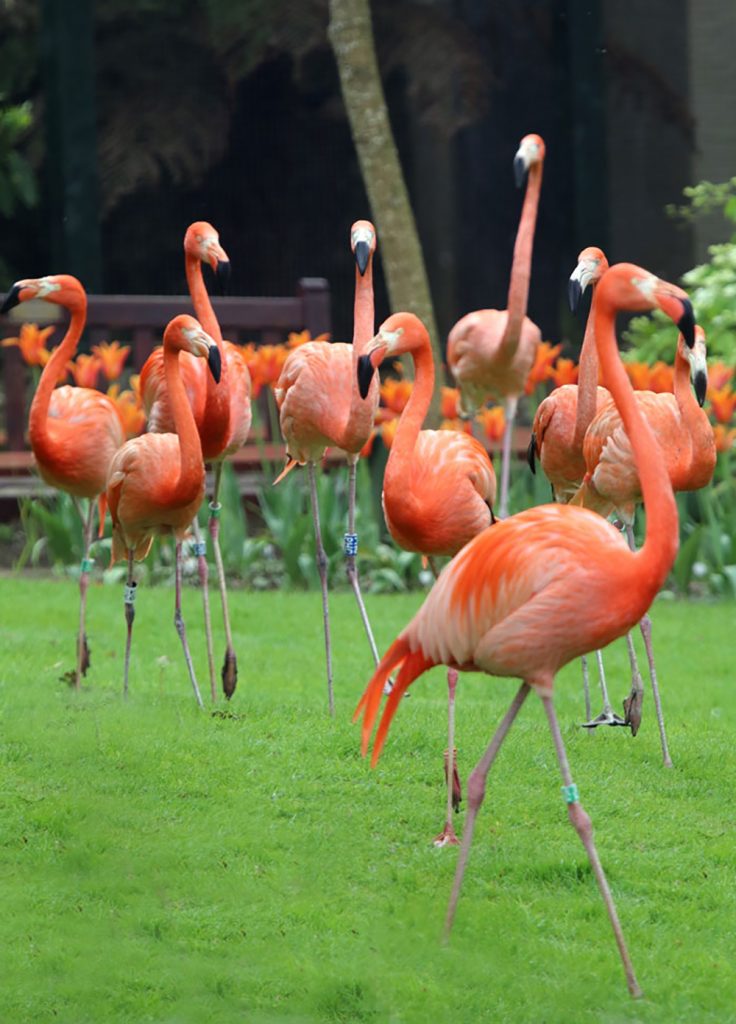
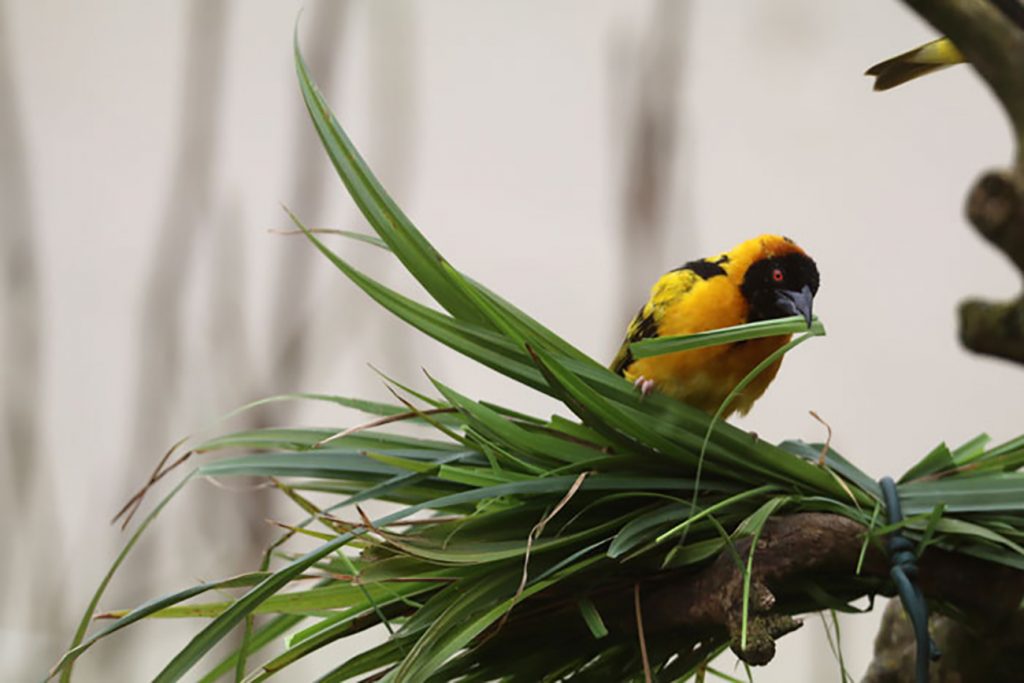
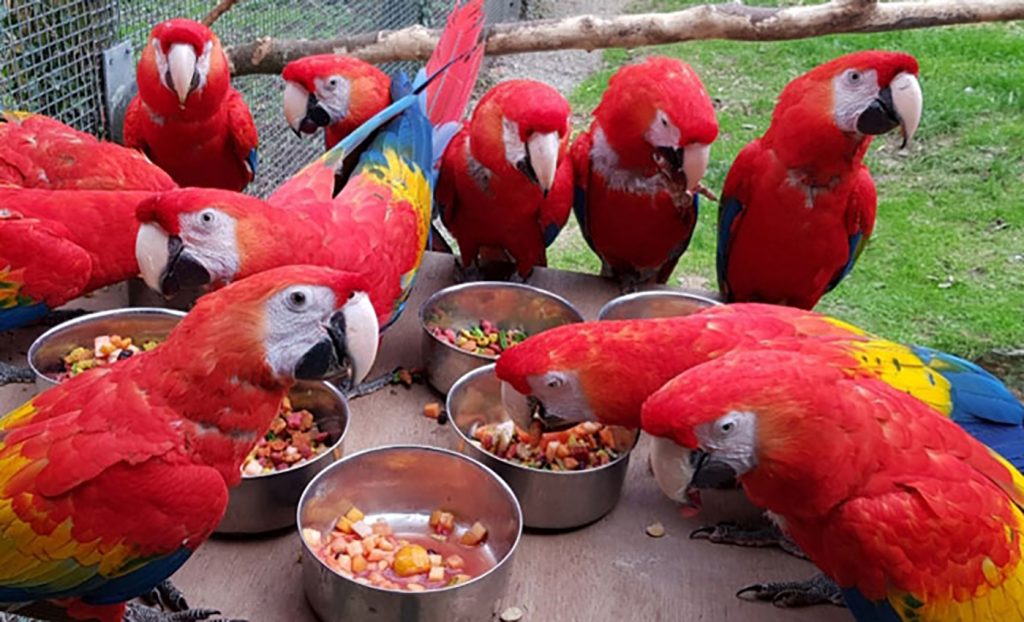
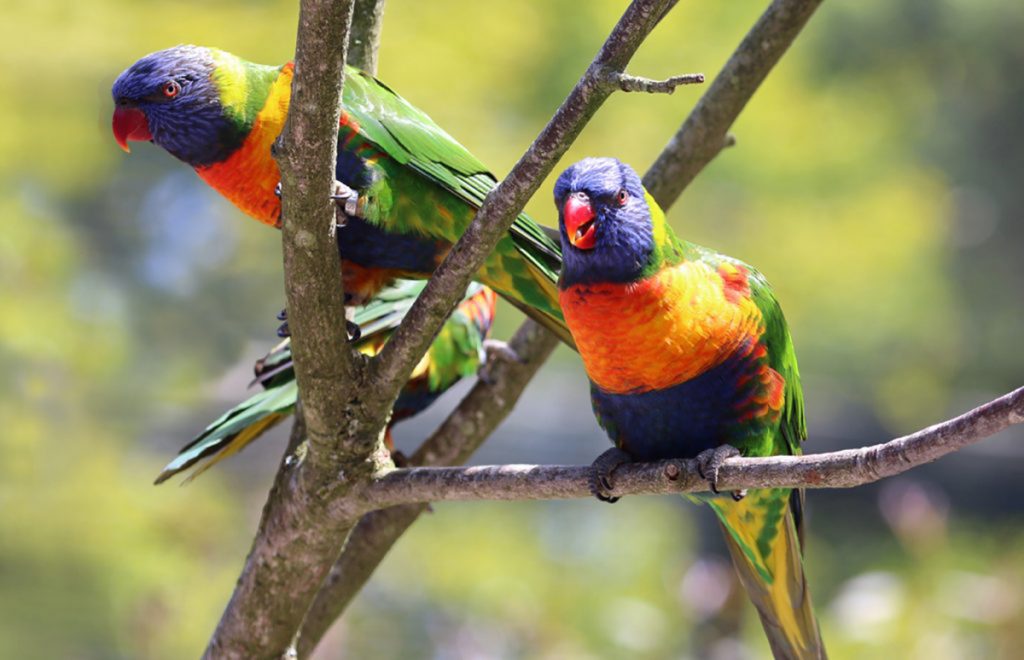
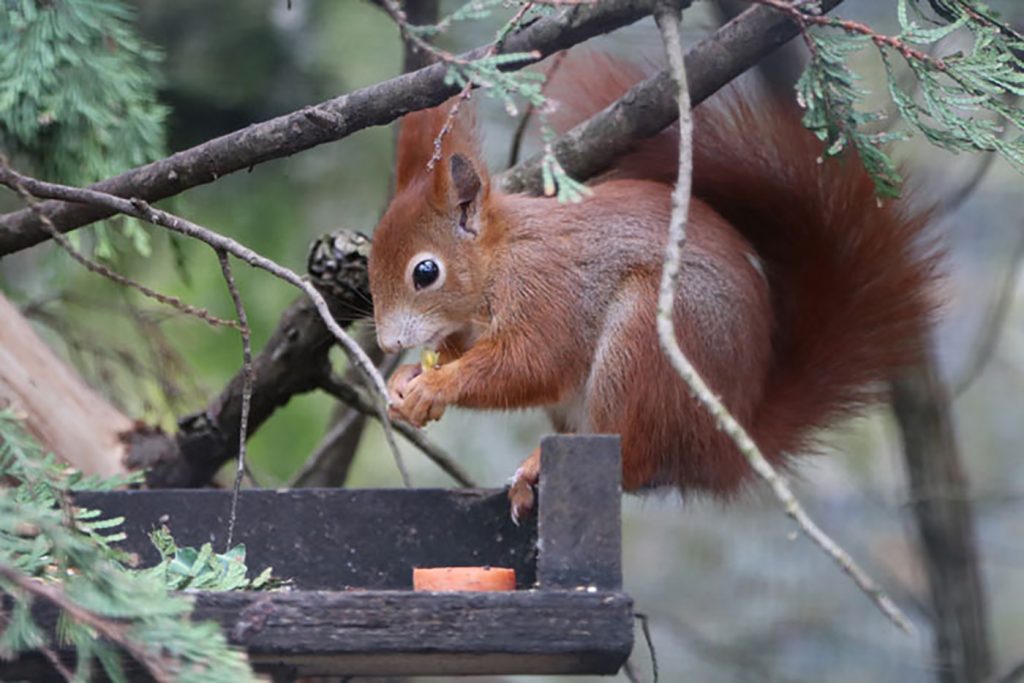
The wildlife sanctuary is home to around 1,200 birds as well as various mammals, including Asian otters, red squirrels, harvest mice, red pandas, and farm animals. All of these animals need looking after, cleaning, feeding, medication, and other vital activities, which are not easy tasks. However, these girls are determined to get the job done, and they love it.
When Alison was asked if the animals are reacting to no visitors coming to see them. She responded:
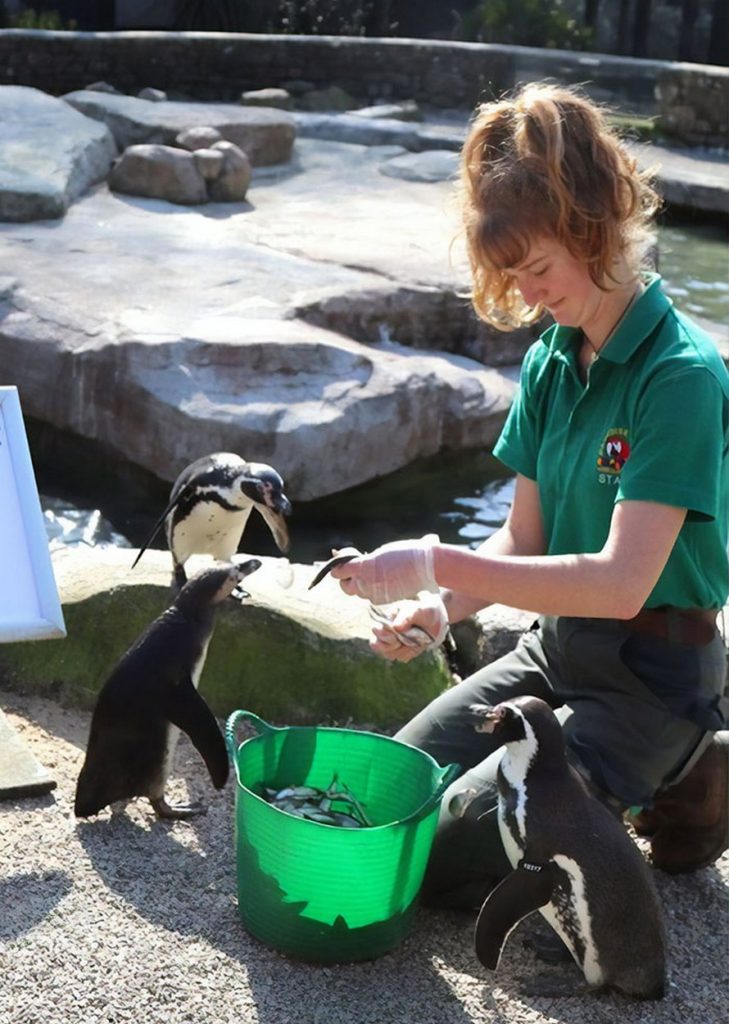
We are keeping to the Park’s routines, like twice-daily penguin feeding times so that they would not notice too much difference. Also, spring is in the air, and many pairs of birds only have pairing up and nest-building on their minds. However, we have many different kinds of parrots here (we are home to the World Parrot Trust), some in small colonies, and others in pairs, and I do feel the friendliest of these are wondering where everyone is. Some parrots interact with people a lot, for instance, Max and Cocky, the pair of Umbrella Cockatoos were shouting ‘hello’ really loud to me this morning, and I thought they were pleased to see me.
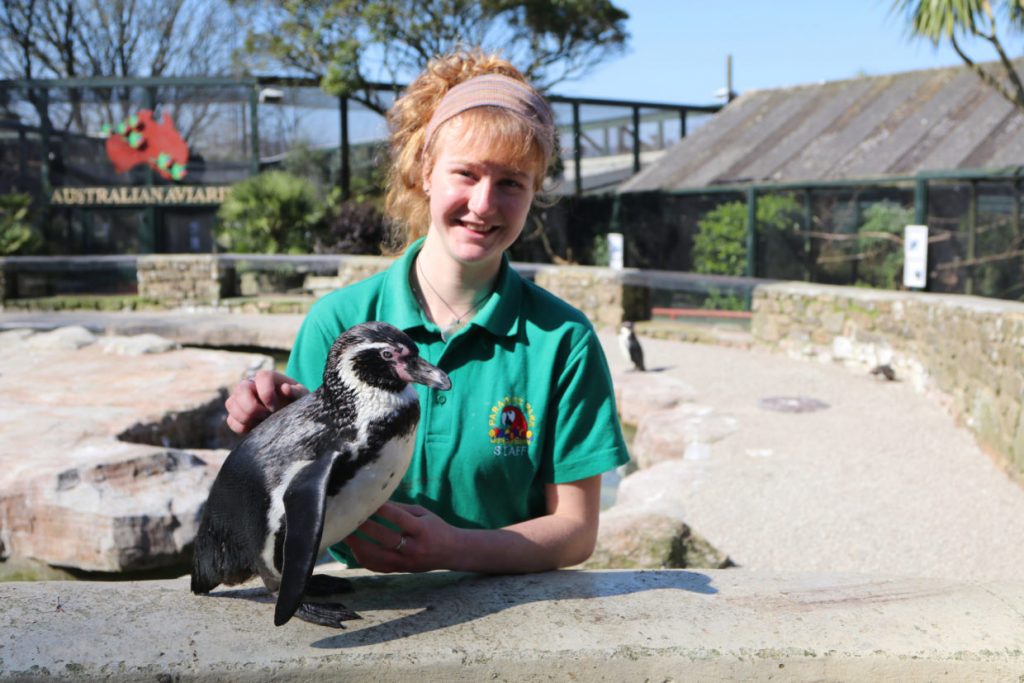
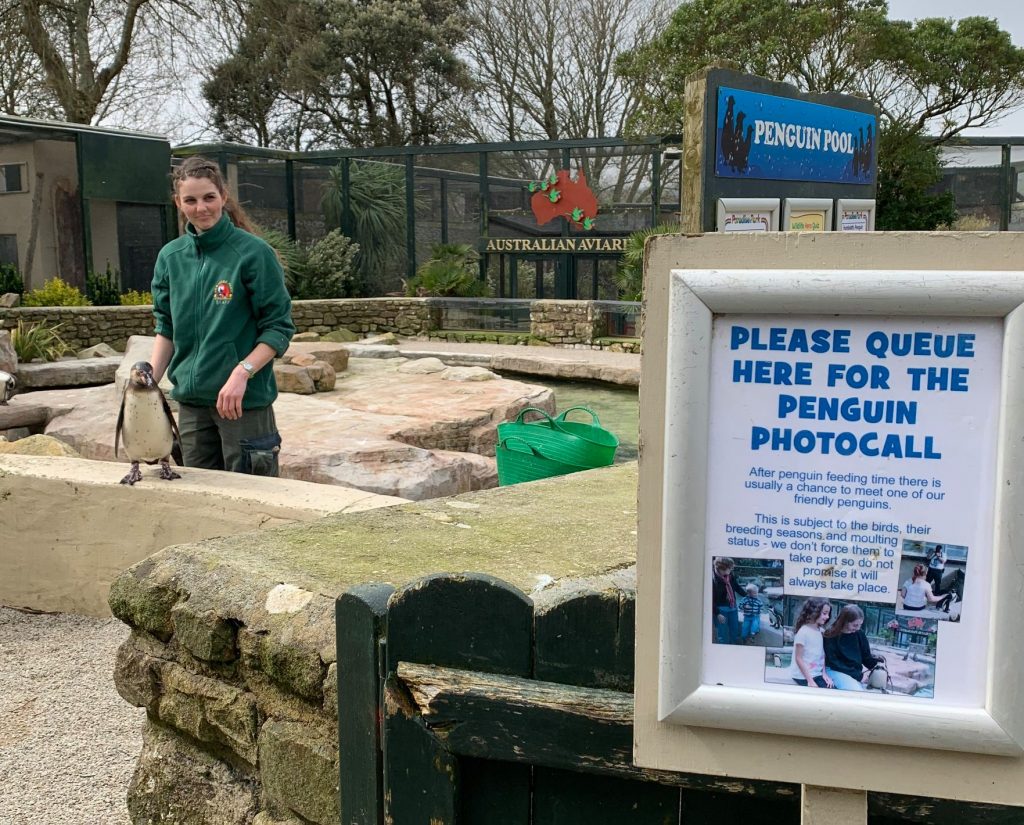
Some of the zoo’s daily routines that the zookeepers are continuing include an Easter event called “Photocalls” with the Humboldt penguins. Photocalls involves visitors feeding the penguins and petting them while taking photos. So, the four girls take turns pretending they are visitors taking pictures with the penguins. They are also keeping up with training their hawks, eagles, vultures, and other bird species.
Alison spoke about her experience while self-isolating at the zoo:
It’s magical to walk around once all the feeding and cleaning has been done, quietly observing the birds going about their business. You can chat with your special bird friends for a bit longer, but the best bit is waking up to a tropical dawn chorus in deepest Cornwall!
Even though the zoo is closed, that doesn’t mean animal lovers can’t see what’s going on inside those paradise walls. Paradise Park has a social media page that it regularly updates with live webcams so that visitors can still see some of the spectacular wildlife from their homes.

Unfortunately, Paradise Park has lost much of its income due to the pandemic forcing them to shut their doors. “As long as our keepers stay well to care for the animals, then the next challenge is funds,” Alison added.
Alison explained:
All our income comes from visitors, and we have only been closed on Christmas Day and a few days due to snow in our 46 years. We have been very self-sufficient over all these years; many people are regular visitors, and we have achieved a lot of really good conservation work for endangered species. Our bank is being helpful and has already extended our overdraft, but this is the first time we have ever done a fund-raiser.
If you’re interested in helping keep the zoo running during the COVID-19 shut-down, you can donate to their GoFundMe campaign. The funds will contribute towards food and other vital expenses, which amount to more than $1,500 per week.